When I decided to install concrete countertops in my farmhouse kitchen two years ago, everyone thought I was crazy. “Concrete? In a kitchen?” they’d ask with raised eyebrows. But after living with them through daily cooking, entertaining, and even my teenager’s science experiments, I can honestly say they’re the best decision I made during our renovation. The warm, industrial look perfectly complements our farmhouse aesthetic, and the durability has exceeded every expectation I had.
Choosing the Right Concrete Mix and Finish
I spent weeks researching concrete mixes before settling on what would work best for my farmhouse kitchen. After consulting with three different contractors and testing samples, I learned that the aggregate size makes a huge difference in both appearance and functionality. We went with a fine aggregate mix that creates a smooth, almost limestone-like finish that feels authentic to traditional farmhouse materials while being practical for food preparation.
The finish options seemed endless, but I wanted something that would develop character over time rather than showing every imperfection as damage. We chose a hand-troweled finish with subtle variations that mimic the imperfect beauty of old stone counters found in historic farmhouses. This texture hides minor scratches and adds visual interest that complements our reclaimed wood cabinets perfectly.
What surprised me most was how much the concrete color affected the overall kitchen atmosphere. We added integral color to achieve a warm gray tone with hints of cream, avoiding the stark industrial look that worried my family. The subtle color variations that developed during curing created exactly the organic, lived-in appearance I was hoping for. Now, two years later, the patina continues to develop beautifully.
Planning the Installation Process
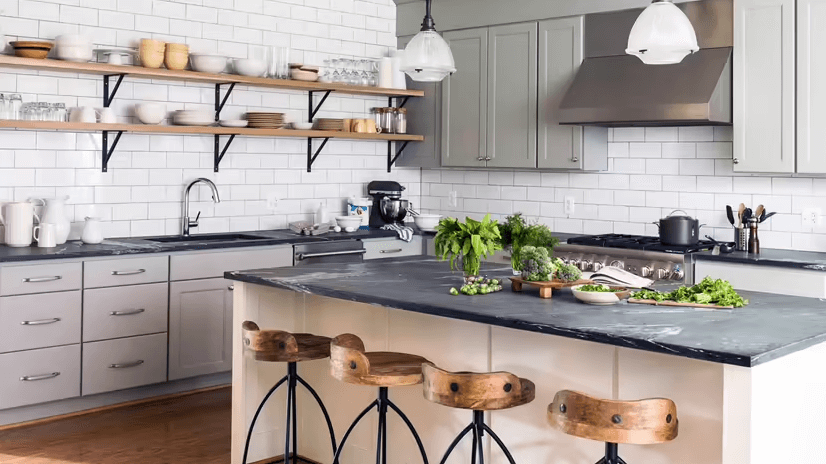
I’ll be honest, the installation process was more complex than I initially anticipated, but planning made all the difference. We decided to have the counters cast in place rather than precast, which meant living without a kitchen for nearly a week. I set up a temporary cooking station in our dining room and planned meals that required minimal prep. The inconvenience was worth it for the seamless look we achieved.
The prep work required removing our old laminate counters and ensuring the cabinets could support the additional weight of concrete. My contractor reinforced several cabinet areas and added extra support brackets, something I hadn’t budgeted for initially. We also had to carefully plan the sink and cooktop cutouts, since modifications after curing would be nearly impossible.
Temperature and humidity control during the curing process proved crucial for achieving the finish we wanted. We installed temporary heaters and dehumidifiers to maintain consistent conditions for the full seven-day cure time. I learned that rushing this process would have compromised both strength and appearance. The patience required during those first weeks tested my resolve, but seeing the final result made every day of waiting worthwhile.
Sealing and Maintenance Requirements
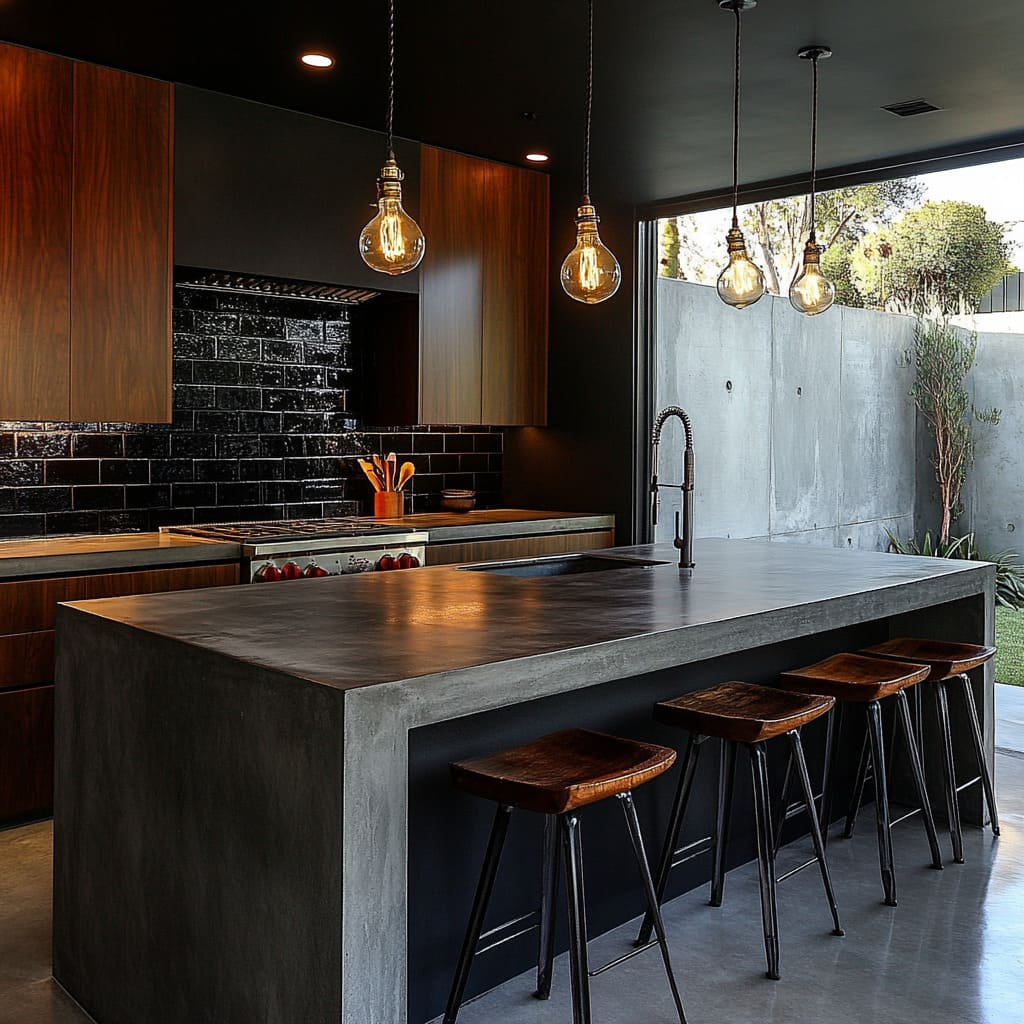
Finding the right sealer became my obsession during the planning phase, and I’m glad I researched thoroughly. We applied a food-safe penetrating sealer that protects against stains without creating a plastic-like surface that would clash with the farmhouse aesthetic. The sealer needs reapplication every 12-18 months, which I initially saw as a drawback but now view as an opportunity to refresh and maintain the counters.
My daily maintenance routine is surprisingly simple and much easier than I expected. I clean the counters with mild soap and water, avoiding acidic cleaners that could damage the sealer. For stubborn stains, a paste of baking soda and water works perfectly and fits with my preference for natural cleaning products. I’ve found that concrete is actually more forgiving than the marble counters my neighbor installed.
The seasonal maintenance has become part of my kitchen care routine, much like conditioning wooden cutting boards. I lightly sand any rough spots that develop and apply a fresh coat of sealer annually. This process takes about half a day but gives me a chance to inspect and refresh the entire surface. After two years, my counters look better now than when they were first installed, having developed a beautiful patina.
Cost Considerations and Budget Planning
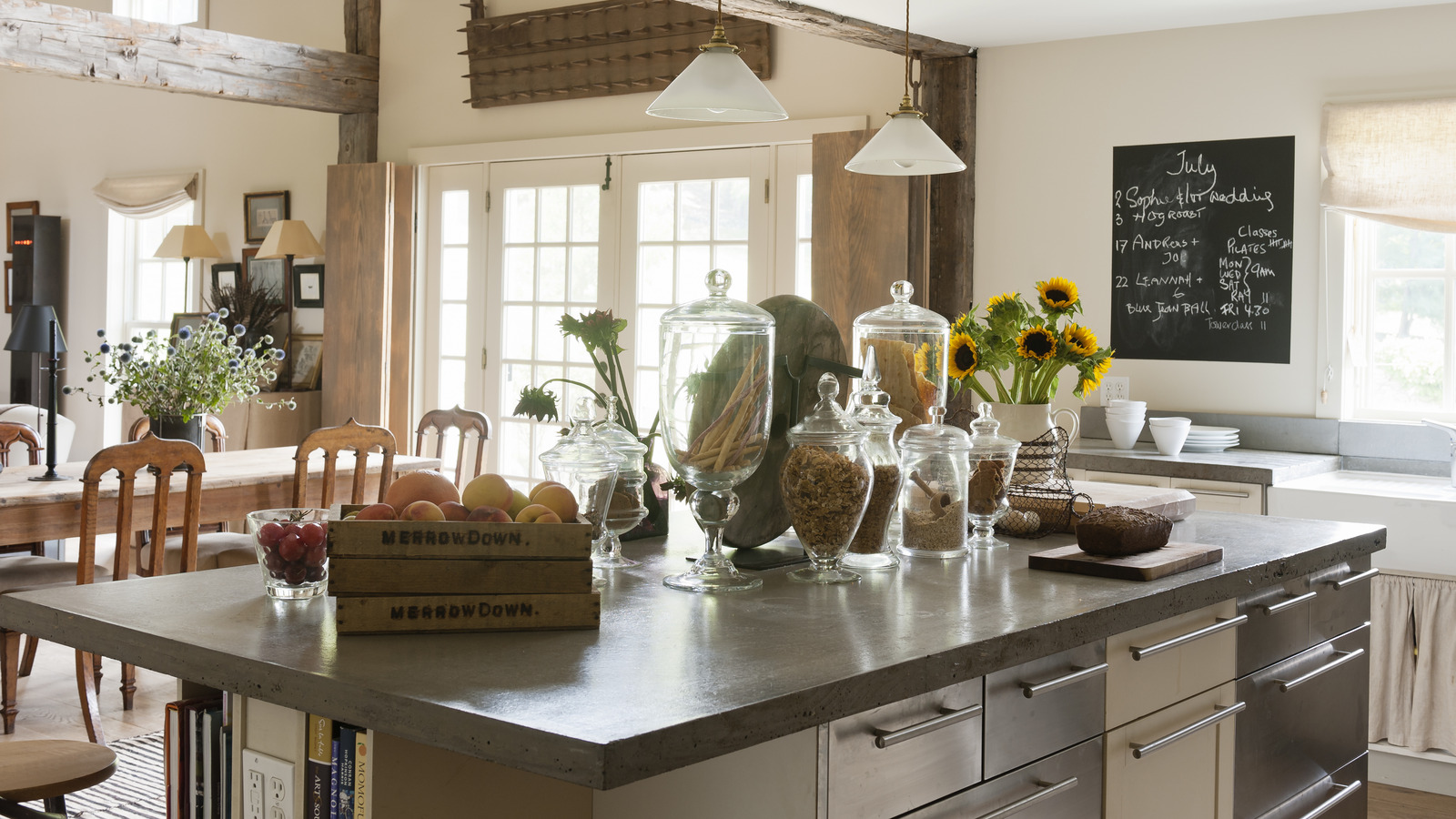
Concrete countertops cost significantly less than the natural stone I originally wanted, but the total project budget included several unexpected expenses. The professional installation ran about $65 per square foot, including materials and labor, compared to $120 per square foot for the granite I’d been considering. However, the cabinet reinforcement and extended installation time added costs I hadn’t anticipated.
I saved money by choosing to do some of the prep work myself, including removing the old counters and cleaning up the workspace. This reduced labor costs by about $800, money I reinvested in higher-quality sealer and additional reinforcement materials. The DIY approach also gave me a better understanding of the process, which helps with ongoing maintenance and repairs.
Looking back at the total investment, including the annual sealer costs and occasional touch-ups, concrete counters have proven more economical than I expected. The durability means I won’t need replacement anytime soon, and the timeless farmhouse look ensures they won’t go out of style. When I calculate the cost per year over the expected 20-year lifespan, concrete becomes an incredibly smart financial choice for our family.
Integrating with Farmhouse Design Elements
The concrete counters became the perfect bridge between rustic and modern elements in my farmhouse kitchen design. They complement our shiplap walls and exposed beam ceiling while providing a clean, contemporary work surface. The neutral gray tone works beautifully with our white subway tile backsplash and brass fixtures, creating visual balance throughout the space.
I love how the concrete pairs with other natural materials we incorporated into the design. The contrast between the smooth concrete and our butcher block island creates an interesting textural variety that feels authentic to traditional farmhouse kitchens. Our copper farmhouse sink looks stunning against the concrete, and the combination has become a focal point that guests always comment on.
The industrial undertones of concrete actually enhance rather than compete with traditional farmhouse elements. Our open shelving displays vintage dishware that pops against the neutral concrete background, and the mason jar pendant lights cast beautiful shadows across the smooth surface. The concrete provides a sophisticated foundation that allows other design elements to shine while maintaining the cozy, welcoming atmosphere essential to farmhouse style.
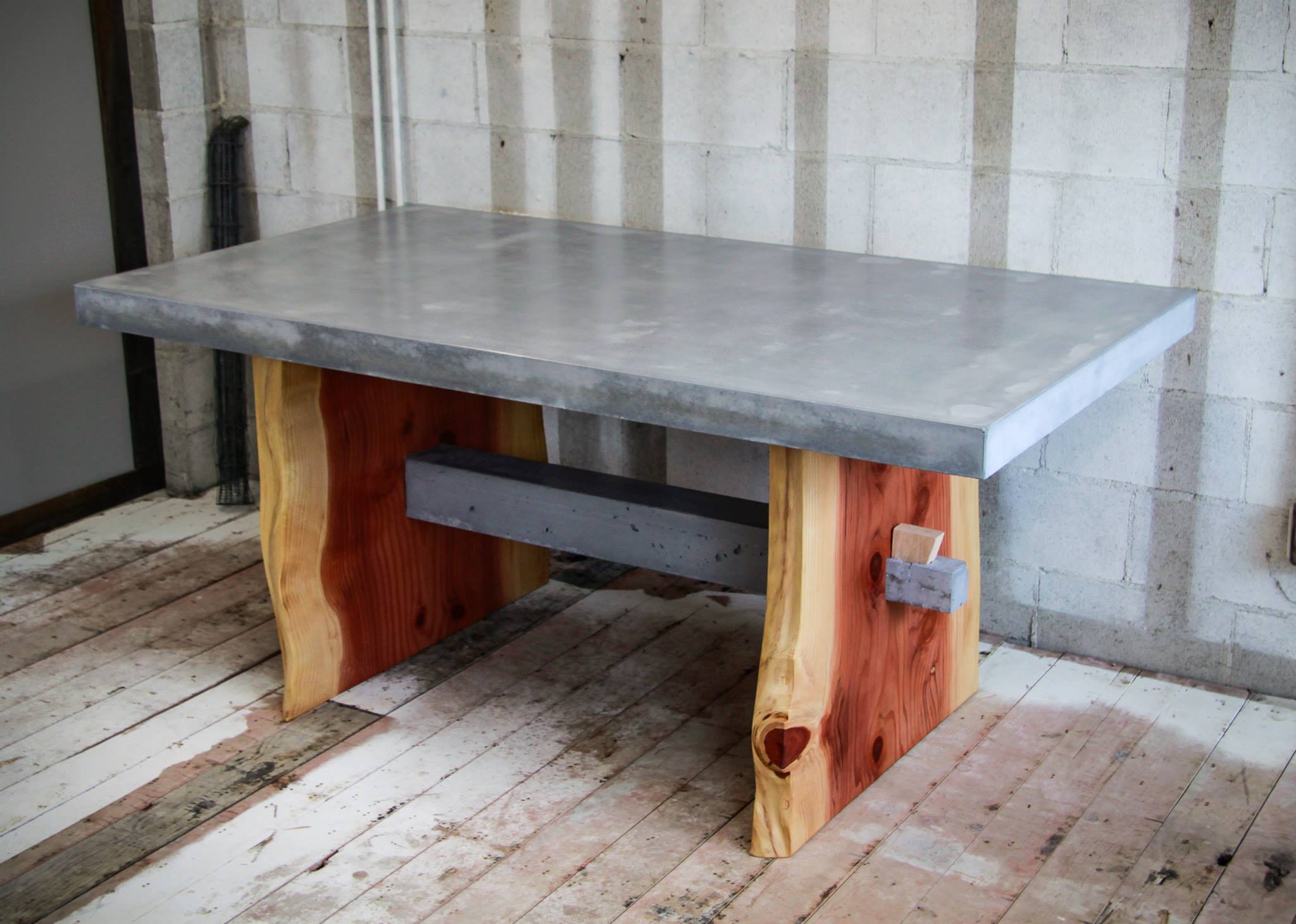
Long-Term Performance and Durability
After two years of heavy use, I can confidently say concrete counters perform better than any surface I’ve previously owned. They’ve withstood everything from hot pots placed directly on the surface to my husband’s enthusiasm for chopping vegetables with considerable force. The few minor chips that have occurred were easily repairable with a simple concrete patch, something I learned to do myself.
The heat resistance has been particularly impressive during my holiday baking marathons. I regularly place hot cookie sheets and roasting pans directly from the oven onto the concrete without worry. This durability gives me confidence in the kitchen that I never had with previous laminate counters, and the peace of mind is worth the initial investment and learning curve.
Stain resistance has exceeded my expectations, even with my family’s tendency toward messy cooking projects. Red wine, coffee, and even beet juice from canning season wipe away easily when cleaned promptly. The few permanent marks that have developed add character rather than looking like damage, contributing to the authentic farmhouse patina I was hoping to achieve over time.

How long do concrete countertops actually last in a busy farmhouse kitchen?
My counters are two years old and show minimal wear despite heavy daily use by a family of four. With proper sealing and basic maintenance, I expect them to last 20+ years easily. The small chips and patina that develop actually add to the farmhouse character rather than looking like damage, which makes them age more gracefully than other materials I’ve used.
Are concrete counters safe for food preparation and family use?
Absolutely, when properly sealed with food-safe products. I prepare meals directly on the surface daily, including rolling dough and chopping vegetables. The sealed concrete is non-porous and easy to sanitize. My kids do homework at the kitchen island without any concerns, and we’ve had no issues with bacteria or contamination in two years of use.

How difficult is the maintenance compared to other countertop materials?
Daily cleaning is actually easier than my previous surfaces, just soap and water. The annual sealing takes about 4 hours but costs less than $50 in materials. This is far less maintenance than the marble my neighbor chose, which requires monthly sealing and constant worry about acidic spills. The concrete maintenance feels manageable and worthwhile.
Can I install concrete counters myself or do I need professionals?
I strongly recommend professionals for the initial installation, especially for in-place casting. The mixing, pouring, and finishing require experience to achieve good results. However, I’ve learned to handle minor repairs and resealing myself, which saves money long-term. The investment in professional installation paid off in the quality and durability of the finished surface.

Do concrete counters work with farmhouse sinks and vintage fixtures?
They work beautifully together. My concrete counters complement our copper farmhouse sink perfectly, and the combination has become the focal point of our kitchen. The concrete can be formed around any sink style during installation, creating seamless integration. The neutral color works with both vintage brass and modern stainless steel fixtures equally well.
How do concrete counters handle the humidity and temperature changes in farmhouse kitchens?
Mine have handled two full seasonal cycles without any cracking or movement issues. Concrete is naturally stable in temperature and humidity variations, which makes it ideal for farmhouse kitchens that might not have consistent climate control. The thermal mass actually helps moderate temperature swings, keeping the kitchen more comfortable year-round.

Related articles:
- Outdoor Concrete Countertops
- How To Make Concrete Countertops Smooth
- Rustic Concrete Countertops
- Farmhouse Concrete Countertops
- Concrete Countertops Outdoor Kitchen
- How To Stain Concrete Countertops
- DIY Concrete Countertop Mix
- Concrete Countertops Made Easy
- Concrete Countertop Overlay
- Black Concrete Countertops
