When I started planning my country kitchen renovation, I thought choosing countertops would be straightforward. I’d pick something that looked farmhouse-appropriate and move on, right? Instead, I spent three months researching materials, visiting showrooms, touching samples, and questioning every decision. I learned that countertops need to balance authentic country charm with serious durability for a busy family kitchen. After living with my choices for two years now, I can share what actually works versus what just looks pretty in magazines. Let me walk you through everything I discovered about selecting and living with country kitchen countertops.
Understanding Butcher Block: The Classic Country Choice
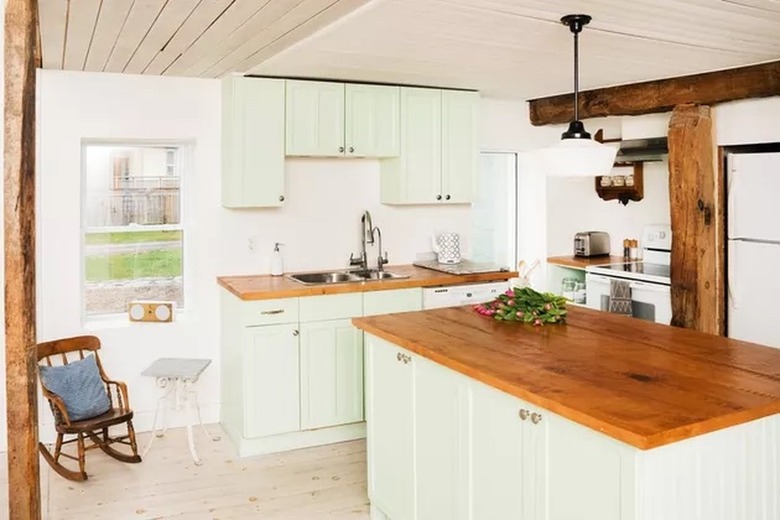
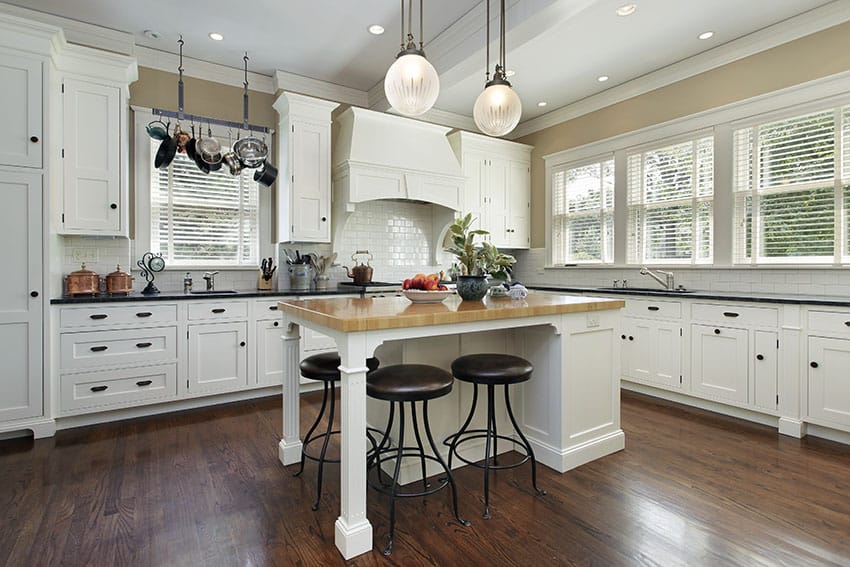
I fell in love with butcher block countertops the moment I saw them in a friend’s farmhouse kitchen. The warmth and character of natural wood immediately drew me in, and I loved how the surface developed a beautiful patina over time. I chose edge-grain maple for my island, which features wood strips oriented vertically for durability. The 2-inch thickness feels substantial and authentic, exactly the look I wanted for my country kitchen aesthetic.
Installing the butcher block required more preparation than I expected. The wood arrived unfinished, and I spent an entire weekend sanding it smooth and applying food-safe mineral oil. I applied six coats over three days, letting each one soak in completely before adding the next. This process sealed the wood and brought out the gorgeous honey tones in the maple. My contractor warned me that butcher block needs regular maintenance, but I didn’t fully understand what that meant until I was living with it daily.
The reality of butcher block maintenance has been both easier and more demanding than I anticipated. I wipe it down after every use and apply mineral oil monthly, which takes about 15 minutes. I’ve gotten water rings from leaving dishes too long and heat marks from forgetting trivets, but I’ve learned to embrace these imperfections as part of the material’s charm. The living, breathing quality of wood countertops means they change and age with your family, which feels perfect for a country kitchen that’s meant to be used and loved.
Exploring Soapstone for Authentic Farmhouse Appeal
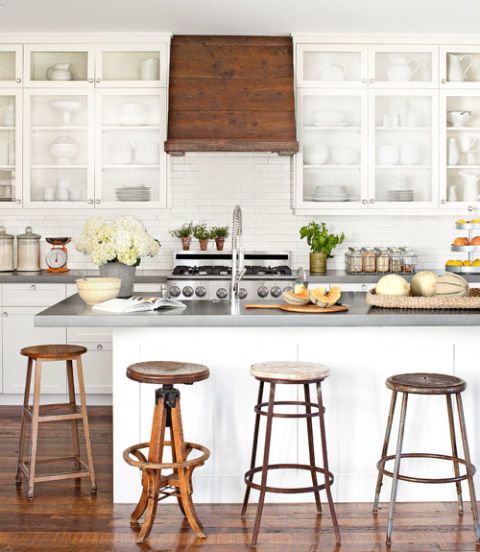
Soapstone captured my attention when researching historical farmhouse kitchens. This natural stone has been used for centuries in working kitchens because it’s non-porous, heat-resistant, and incredibly durable. I installed soapstone on my perimeter counters, where I do most of my cooking and food prep. The soft gray color with subtle veining creates a beautiful contrast against my white cabinets and provides that authentic, timeworn look I wanted.
What surprised me most about soapstone is how it darkens over time. When first installed, my counters were light gray with a slightly chalky appearance. Within six months of regular use and occasional mineral oil applications, they developed a rich, deep charcoal patina that looks like it’s been there for generations. This natural aging process is exactly what makes soapstone perfect for country kitchens; it gets more beautiful with age rather than showing wear and tear.
Soapstone is softer than granite, which initially worried me, but I’ve grown to appreciate this quality. Small scratches happen, especially around the sink area, but they blend into the overall patina and add character rather than looking like damage. I can sand out deeper scratches myself using fine-grit sandpaper and mineral oil, which is surprisingly therapeutic. The material feels smooth and almost soapy to the touch, hence the name, and it stays naturally cool, which is wonderful for rolling out pastry dough.
Considering Quartz for Low-Maintenance Country Style
I seriously considered quartz for all my countertops because I have three kids and wanted something virtually indestructible. Modern quartz comes in patterns that mimic natural materials beautifully, including marble and soapstone looks. I ultimately chose quartz for my high-use areas around the sink and stove because it requires zero maintenance, never needs sealing, and resists stains, scratches, and heat better than most natural materials.
The key to making quartz work in a country kitchen is selecting the right pattern and finish. I avoided anything too uniform or obviously engineered, choosing instead a style with natural-looking veining and subtle color variation. I selected a honed matte finish rather than polished, which feels more authentic to farmhouse style and doesn’t show fingerprints or water spots as obviously. The soft white with gray veining complements my country aesthetic without looking too modern or sterile.
Living with quartz has been absolutely effortless compared to my butcher block. I clean it with soap and water, nothing special required. I’ve placed hot pots directly on it without damage, though I try to use trivets out of habit. The surface doesn’t stain from wine, coffee, or tomato sauce, which has been a huge relief during busy dinner preparations. While it lacks the soul and character of natural materials, the practical benefits for a working kitchen with kids make it an excellent choice for high-traffic zones.

Mixing Materials for Function and Character
Combining different countertop materials became my secret weapon for creating visual interest while maximizing functionality. I used three different materials in my kitchen: butcher block on the island for warmth and work surface, soapstone on perimeter counters for cooking areas, and a small section of marble on my baking station. This mix-and-match approach looks intentional and collected over time rather than purchased all at once.
My marble baking area is just a 3-foot section next to my refrigerator, perfect for rolling out pie crusts and pastries. Marble stays naturally cool, which is ideal for working with dough and chocolate. I chose a simple white Carrara marble with subtle gray veining that complements my soapstone beautifully. Yes, marble stains and etches easily, but I accept this as part of its character. The patina it develops in a working kitchen tells the story of countless cookies, pies, and bread loaves created there.
Mixing materials required careful planning to ensure cohesive flow throughout the kitchen. I kept all my materials in neutral tones, whites, grays, and natural wood, which allows them to work together harmoniously. The key is using each material where it makes the most sense functionally while creating visual zones that define different work areas. My island’s butcher block signals it’s a gathering spot, the soapstone perimeter is for serious cooking, and the marble corner is my dedicated baking zone.
Achieving the Look with Concrete Countertops
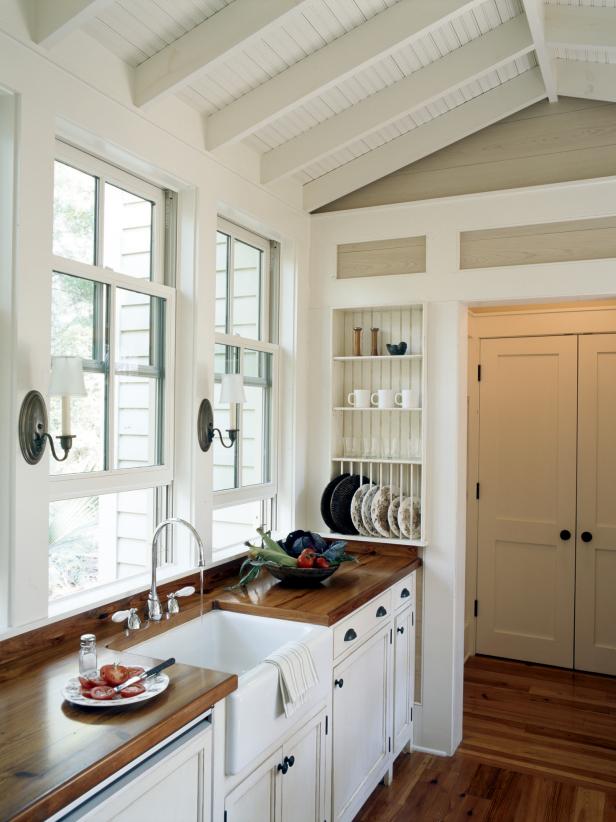
Concrete countertops intrigued me because they offer incredible customization while fitting perfectly into farmhouse-industrial aesthetics. I visited several homes with concrete counters and was impressed by the range of looks achievable through different finishing techniques, aggregates, and edge details. While I didn’t choose concrete for my own kitchen, I seriously considered it and learned enough to appreciate why it works beautifully in country spaces.
The handcrafted quality of concrete appeals to country kitchen sensibilities. Each installation is unique, with subtle variations in color, texture, and finish that can’t be replicated. You can embed decorative elements like glass or stones, create custom edge profiles, and even add integral sinks for a seamless look. The material can be tinted any color, though I’d recommend staying with natural grays and earth tones for authentic country appeal.
Concrete requires proper sealing and maintenance similar to natural stone. The surface can develop hairline cracks over time, which some people love as added character, while others find it concerning. Heat resistance is excellent, and durability is outstanding once properly sealed. The industrial edge that concrete brings creates a beautiful contrast with traditional country elements like farmhouse sinks and vintage fixtures. For homeowners willing to embrace the material’s quirks and maintenance needs, concrete delivers truly one-of-a-kind results.

Selecting Edge Profiles and Finishing Details
Edge profiles dramatically impact the overall country aesthetic, something I didn’t fully appreciate until comparing options side by side. I chose different edges for different materials in my kitchen. My butcher block island has a simple square edge that feels chunky and substantial. The soapstone counters feature a slightly rounded edge called an eased edge, which is comfortable to lean against and feels authentic to historical installations.
I avoided overly decorative edges like ogee or waterfall profiles because they felt too formal for my casual country kitchen. Those fancy edges work in traditional or elegant spaces, but they look out of place in a working farmhouse kitchen. The simpler your edge profile, the more authentic and timeless your countertops will appear. I also considered a wood edge detail on my soapstone, but decided against it because I worried about the wood and stone expanding differently.
Thickness plays a bigger role in country aesthetics than I realized. Standard countertops are typically 1.25 inches thick, but I opted for 2-inch-thick butcher block and 1.5-inch soapstone to create a more substantial, antique appearance. This added thickness costs more but makes a noticeable difference in how authentic and high-quality the materials appear. Thicker edges also allow for more interesting profile options and create stronger visual weight that anchors the kitchen design beautifully.

What’s the most durable countertop material for a busy country kitchen?
Based on my experience with three kids and constant cooking, quartz wins for pure durability and low maintenance. It resists stains, scratches, and heat without any sealing or special care. However, I’d argue that soapstone offers the best combination of durability and authentic country charm. While it’s softer than granite, it’s non-porous, heat-proof, and any scratches add to its character rather than looking like damage. I’ve been thrilled with how both materials perform in my high-traffic kitchen after two years of heavy use.
How much should I budget for country kitchen countertops?
My countertop costs varied significantly by material. Butcher block ran about $40-60 per square foot installed, soapstone cost $70-100 per square foot, and quartz was $60-90 per square foot. For my 45 square feet of counter space using mixed materials, I spent approximately $4,200 total, including installation. Concrete ranges from $65-135 per square foot, depending on customization. Budget at least $3,000-6,000 for an average-sized kitchen. Don’t forget edge details, cutouts for sinks, and any special features that add to base costs..

Does butcher block hold up well to daily kitchen use?
My butcher block island gets heavy daily use, and it’s held up beautifully with proper maintenance. I apply mineral oil monthly and clean up spills promptly. I’ve accumulated some water rings and light scratches, but these add character that feels appropriate for country style. The key is accepting that butcher block is a living material that changes over time. If you want pristine, unchanging counters, choose quartz or granite. If you appreciate patina and authenticity, butcher block rewards you with increasing beauty as it ages.
Can I install country kitchen countertops myself?
I installed my butcher block island countertop myself and saved about $800 in labor costs. Butcher block is DIY-friendly if you’re comfortable with basic tools and following instructions carefully. However, I hired professionals for my soapstone and quartz installation because cutting, fitting, and sealing natural stone requires specialized tools and expertise. Stone fabricators charged $1,500 for templating, cutting, and installing my perimeter counters. For your first major renovation, professional installation provides peace of mind and warranty coverage worth the investment.

How do I choose between natural stone and engineered materials?
I wrestled with this decision for weeks. Natural stones like soapstone and marble offer authentic beauty, unique character, and centuries of proven performance in working kitchens. They require maintenance and develop patina over time. Engineered quartz provides a consistent appearance, virtually zero maintenance, and superior stain resistance. I chose both, using natural stone where I wanted character and quartz where I needed bulletproof performance. Consider your lifestyle, maintenance tolerance, and which aesthetic matters most to you personally.
What countertop colors work best with country kitchen style?
I focused on neutral tones that wouldn’t fight with the rest of my country elements. White, cream, soft gray, and natural wood tones are timeless choices that work beautifully. I avoided bold colors or busy patterns that might look dated quickly. My white soapstone, natural maple butcher block, and soft gray quartz create a cohesive palette that lets other country elements like open shelving, vintage accessories, and painted cabinets take center stage. Think about colors that would have been available in historical farmhouses for the most authentic look.

Rustic Countertop Ideas to Try for Your Home
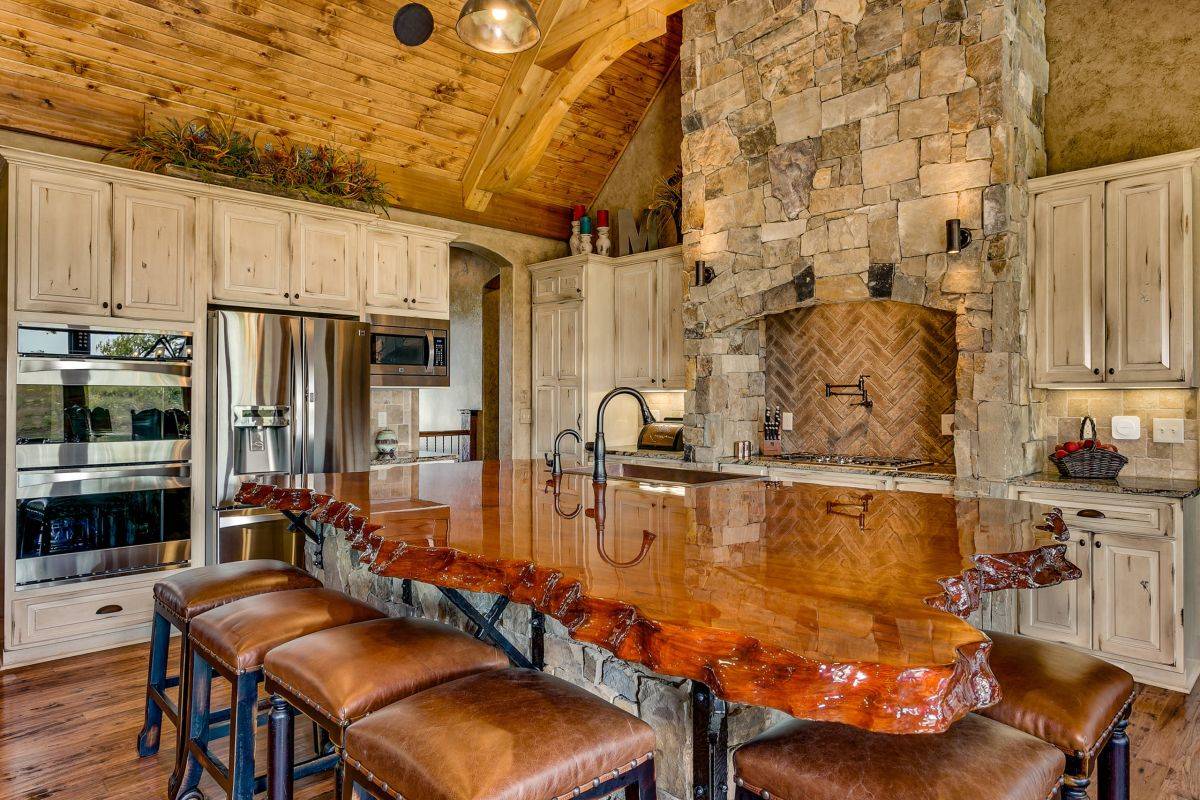
Follow The Yellow Brick Home – Five Popular Countertops Choices

Modern Country Kitchen Ideas For Your Home Remodel
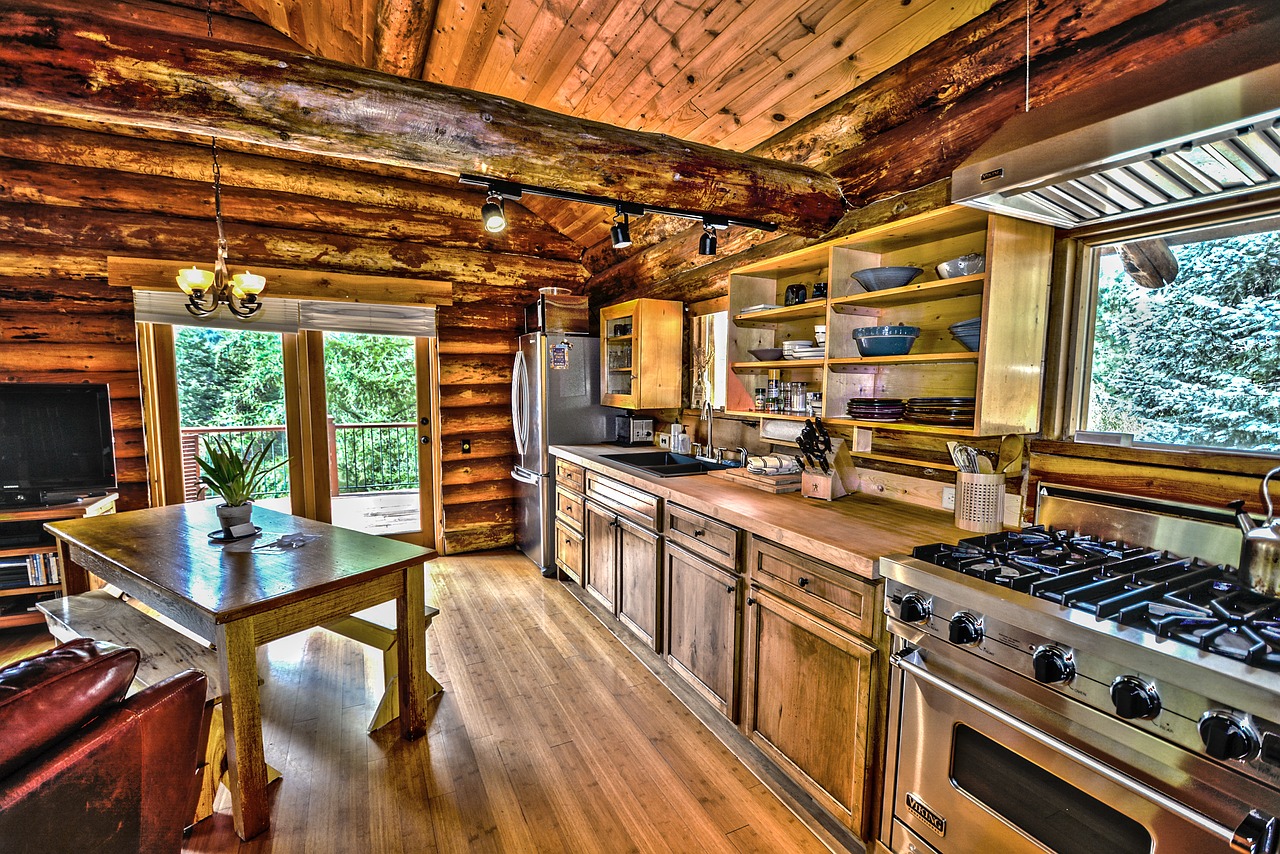
Gorgeous White Country Kitchens – Designing Idea
Related articles:
- Modern Kitchen Countertop Ideas
- Country Kitchen Countertops
- Retro Tile Kitchen Countertops
- Rustic Wood Kitchen Countertops
- Vintage Kitchen Countertop Ideas
- Subway Tile Kitchen Countertops
- Dark Grey Kitchen Countertops
- Kitchen Countertop Granite Tile
- Kitchen Countertop Design
- Durable Kitchen Countertops
