When I inherited my grandmother’s 1950s ranch house four years ago, I was torn between preserving its original charm and updating it for modern living. The kitchen countertops had been replaced with basic laminate sometime in the 1980s, completely erasing the mid-century character I loved about the house. My journey to find the perfect vintage countertop solution led me through research, restoration projects, and some wonderful discoveries about materials and styles that could honor the home’s history while meeting today’s functional demands. What I learned is that vintage doesn’t have to mean outdated, and authentic character can coexist beautifully with contemporary convenience.
Exploring Authentic 1950s and 1960s Countertop Materials
My research into authentic mid-century countertop materials opened my eyes to options I’d never considered before. Boomerang-pattern Formica became my obsession after discovering original samples in my grandmother’s basement storage. This iconic atomic-age design featured organic shapes in bold colors that perfectly captured the optimistic spirit of the 1950s. Finding a supplier who could still produce authentic patterns required considerable detective work, but the results were worth every phone call and email.
Stainless steel emerged as another compelling option during my exploration of vintage materials. Originally popular in commercial kitchens, residential stainless steel countertops gained popularity in the late 1950s among design-forward homeowners. I visited several salvage yards and found original stainless steel sections that could be restored and integrated into my kitchen design. The patina and character marks told stories of decades of use, adding authenticity that new materials simply couldn’t replicate.
Terrazzo countertops represented another fascinating discovery from the mid-century era. This composite material of marble chips set in cement or epoxy resin offered durability and unique aesthetic appeal that fit perfectly with atomic age design principles. I found a local artisan who specialized in restoring vintage terrazzo and could create custom pieces using period-appropriate color combinations. The speckled patterns and smooth finish created a sophisticated backdrop that complemented both vintage and contemporary kitchen elements.

Sourcing and Restoring Original Vintage Countertop Materials
My hunt for authentic vintage countertop materials took me to unexpected places and introduced me to fascinating characters in the restoration community. Architectural salvage yards became treasure troves of original materials, from pristine sections of 1960s butcher block to damaged pieces of vintage tile that could be repurposed creatively. I learned to see potential in materials that others might consider beyond repair, developing skills in evaluation and negotiation that saved me thousands of dollars.
Estate sales provided another excellent source for original materials and inspiration. I attended dozens of sales in neighborhoods built during my target era, studying original installations and sometimes purchasing entire countertop sections for restoration. The key was arriving early and bringing proper tools for removal, as many sellers were happy to let me carefully extract materials that would otherwise be discarded during renovations.
Professional restoration became necessary for several pieces I acquired, particularly the stainless steel sections that required specialized polishing and repair techniques. I found craftspeople who understood the importance of preserving original character marks while addressing functional issues like dents or scratches that affected usability. This collaboration between preservation and practicality taught me to appreciate the stories that vintage materials carry while ensuring they could serve modern cooking needs.
Recreating Vintage Styles with Modern Materials and Techniques
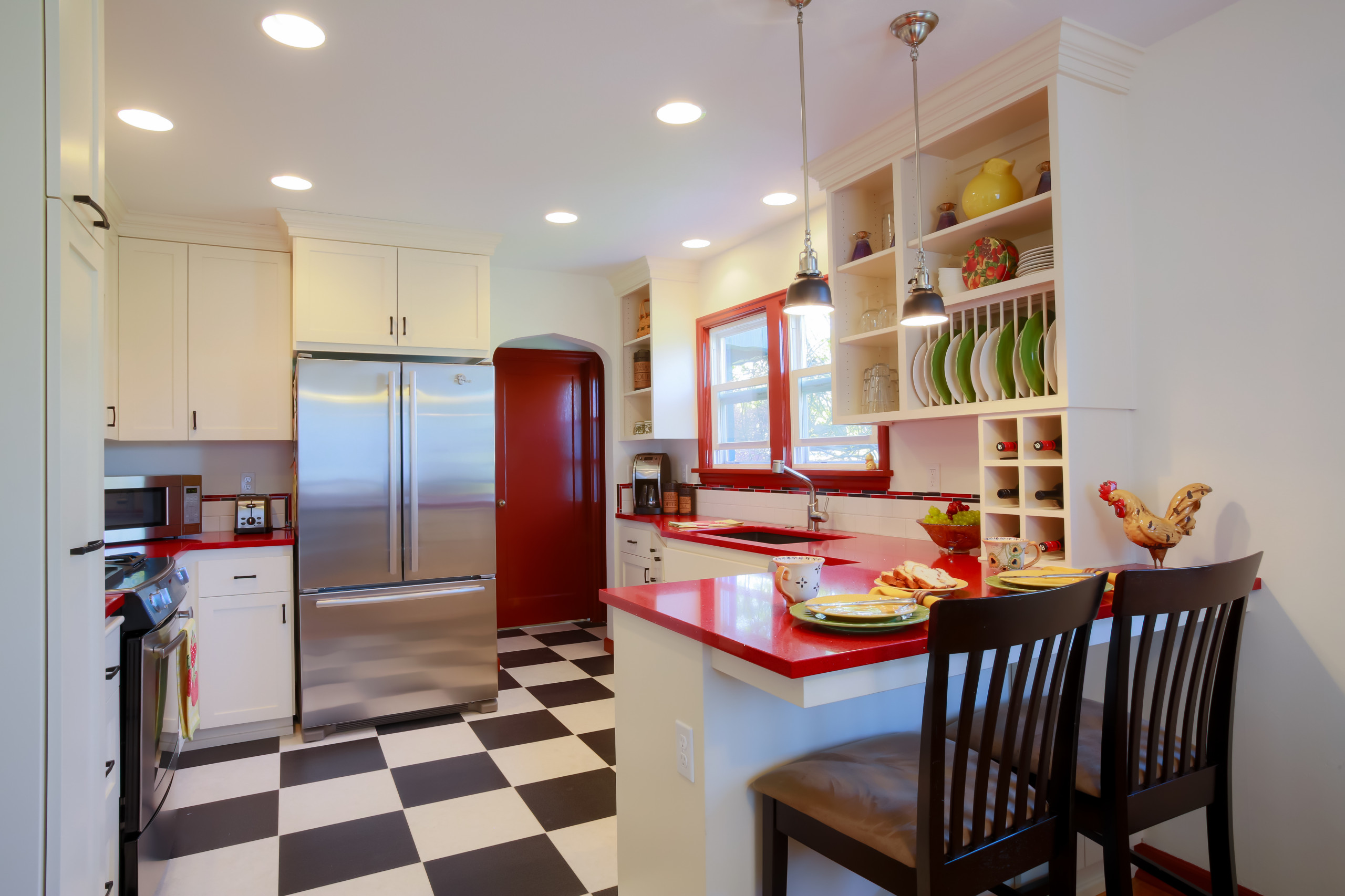
When authentic materials weren’t available or practical, I discovered that modern manufacturers offer excellent reproductions of vintage patterns and colors. Several companies specialize in mid-century inspired laminates that capture the essence of original Formica designs while providing improved durability and stain resistance. The key was finding suppliers who understood the importance of authentic color matching and pattern scale to achieve convincing vintage appeal.
Modern quartz and solid surface materials offered opportunities to recreate vintage terrazzo looks with contemporary performance benefits. I worked with fabricators to develop custom color combinations that mimicked the speckled patterns and color palettes popular in the 1950s and 1960s. These modern interpretations provided the visual impact I wanted while offering superior durability and easier maintenance than original terrazzo installations.
Concrete countertops presented another avenue for achieving vintage aesthetics with contemporary materials. I experimented with pigments and aggregate additions to create surfaces that captured the atomic age spirit while providing the heat resistance and durability needed for serious cooking. The ability to customize colors, textures, and edge profiles made concrete an excellent choice for recreating specific vintage looks that weren’t available in other materials.
Color Schemes and Patterns That Define Each Vintage Era
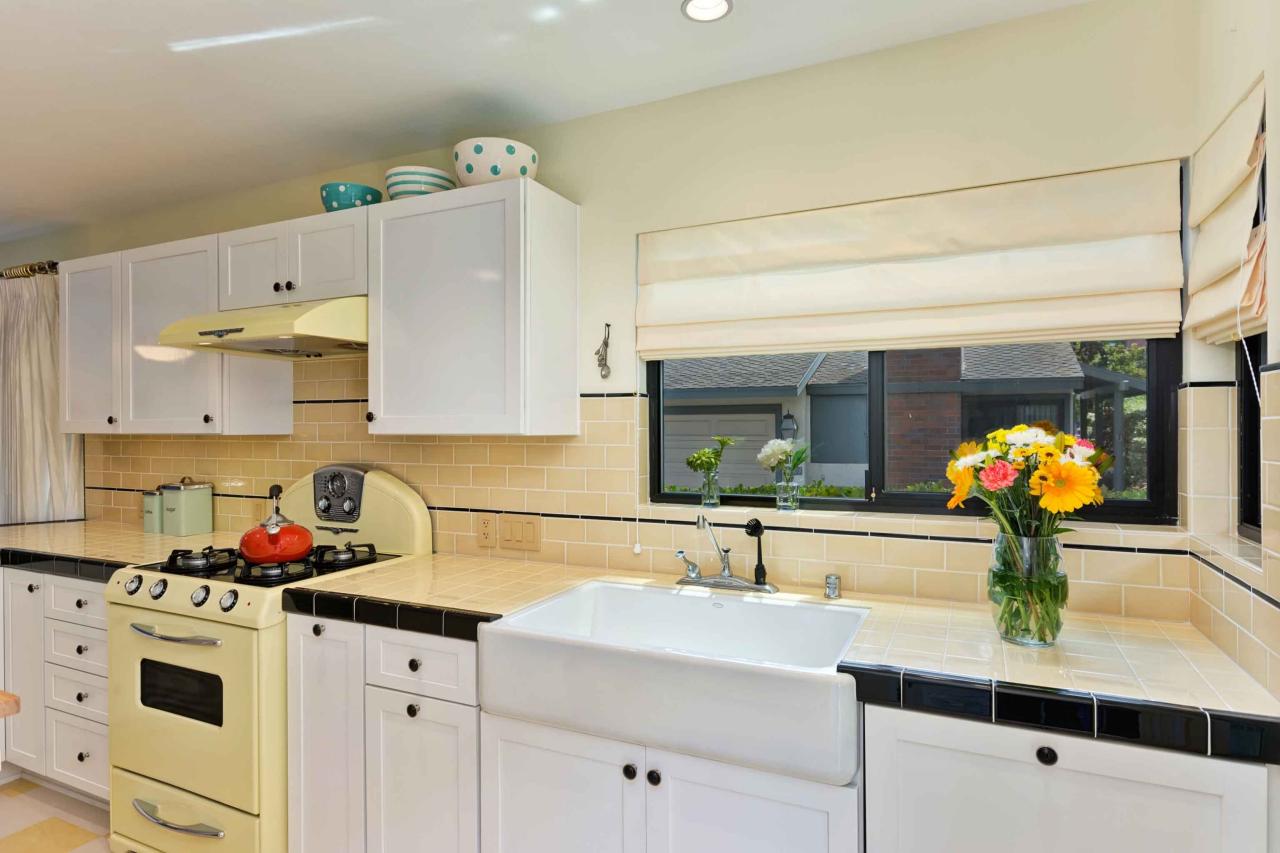
Understanding the color palettes and design motifs of different vintage eras became crucial for making authentic choices that honored my home’s original period. The 1950s featured bold, optimistic colors like turquoise, pink, and yellow, often combined in atomic-inspired patterns with boomerangs, starbursts, and organic shapes. I studied original magazines and advertisements from the era to understand how these elements worked together in complete kitchen designs.
The 1960s brought different aesthetic priorities, with earth tones, harvest gold, and avocado green becoming popular alongside more geometric patterns and cleaner lines. This evolution reflected changing cultural values and design philosophies that I found fascinating to research and understand. Incorporating these authentic color choices helped create cohesive vintage environments that felt genuinely period-appropriate rather than costume-like.
Pattern scale and placement required careful consideration to achieve authentic vintage results. Original atomic-age patterns featured specific proportions and repeat intervals that contributed to their iconic appearance. I learned to analyze original samples and work with fabricators to ensure proper scale reproduction. Getting these details right made the difference between convincing vintage style and obvious reproduction work.

Budget-Friendly Approaches to Vintage Countertop Projects
Creative problem-solving became essential for achieving vintage countertop goals within my renovation budget. I discovered that mixing authentic vintage elements with carefully chosen modern materials could create convincing period looks without the expense of complete restoration. Strategic placement of original materials in focal areas, combined with complementary modern reproductions in less visible locations, stretched my budget while maintaining design integrity.
DIY restoration projects offered significant cost savings while providing valuable learning experiences about vintage materials and techniques. I tackled smaller restoration tasks like cleaning and polishing original stainless steel sections, refinishing butcher block pieces, and repairing minor damage to vintage laminate surfaces. These hands-on projects deepened my appreciation for the craftsmanship and durability of mid-century materials.
Phased renovation approaches allowed me to spread costs over time while living with and enjoying portions of the vintage transformation. I started with one countertop section, learning techniques and building confidence before tackling larger areas. This gradual approach prevented renovation fatigue and allowed me to refine my vision based on real-world experience with different materials and their maintenance requirements.
Maintenance and Longevity of Vintage Countertop Materials
Living with various vintage countertop materials taught me that each type requires specific care approaches to maintain both function and authentic appearance. Original laminate surfaces needed gentle cleaning with period-appropriate products to prevent damage to graphics and colors that can’t be easily replaced. I developed cleaning routines using mild soaps and soft cloths that preserved the surface integrity while removing daily cooking residue.
Stainless steel maintenance became an art form involving specific polishing techniques and grain-direction awareness. I learned to use appropriate cleaners that removed water spots and cooking stains without scratching the surface or dulling the original finish. Regular maintenance prevented the buildup of grime and oxidation that could permanently damage these irreplaceable vintage surfaces.
Terrazzo and concrete surfaces required periodic sealing and careful attention to pH-neutral cleaning products. I established seasonal maintenance schedules that included deep cleaning, resealing, and inspection for any developing issues that needed professional attention. Understanding the unique needs of each material helped me preserve their vintage character while ensuring they continued to function beautifully in daily use.

Integration with Modern Kitchen Appliances and Fixtures
Blending vintage countertop materials with contemporary appliances required careful planning to avoid jarring aesthetic conflicts. I chose modern appliances in classic colors like white or black that complemented rather than competed with the vintage countertop patterns and colors. Stainless steel appliances worked particularly well with atomic-age designs, creating cohesive looks that honored both eras appropriately.
Lighting design became crucial for showcasing vintage countertop materials effectively while providing adequate task illumination for modern cooking needs. Period-appropriate fixtures like pendant lights with atomic-inspired shades highlighted the countertop patterns while under-cabinet LED strips provided practical work surface lighting. The combination preserved vintage aesthetics while meeting contemporary functional requirements.
Cabinet integration required thoughtful consideration of how vintage countertops would interact with existing or new cabinetry. I discovered that simple, clean-lined cabinets in period-appropriate colors provided excellent backdrops for bold vintage countertop patterns. The key was letting the countertops be the star while ensuring all elements worked together harmoniously rather than competing for visual attention.

How do you find authentic vintage countertop materials that are still usable?
Architectural salvage yards, estate sales, and online marketplaces are my best sources. I look for materials with good structural integrity, even if they need cosmetic work. Stainless steel and terrazzo often survive well, while original laminates are rarer. I’ve learned to evaluate conditions carefully and factor restoration costs into my budget. Building relationships with dealers helps me get first access to quality pieces.
Are vintage countertop materials practical for modern cooking and baking?
With proper restoration and maintenance, most vintage materials perform excellently for contemporary cooking. Stainless steel is naturally heat and stain-resistant, while properly sealed terrazzo handles daily use beautifully. Original laminates require more gentle care but are surprisingly durable. I use cutting boards and trivets just like with any countertop material. The key is understanding each material’s specific care requirements.

How much should I budget for a vintage countertop project?
Costs vary dramatically depending on materials and scope. Authentic restoration can range from $50-200 per square foot, while vintage-inspired reproductions might cost $30-100. I budget 30% extra for unexpected discoveries and restoration challenges. DIY work can reduce costs significantly, but factor in tool purchases and learning curves. Phased approaches help spread costs over time while building experience.
Can vintage countertops increase home resale value?
Authentic vintage elements often appeal to buyers seeking character and uniqueness, especially in period homes. However, it’s a specific aesthetic that won’t suit everyone’s taste. In my area, well-executed vintage renovations have commanded premium prices from the right buyers. The key is quality execution and maintaining some modern conveniences. I view it primarily as an investment in daily enjoyment rather than a resale strategy.

What’s the biggest challenge with vintage countertop materials?
Finding materials in good condition is the primary challenge, followed by locating skilled craftspeople who understand restoration techniques. Maintenance can be more involved than modern materials, requiring specific products and techniques. Replacement parts or matching materials can be impossible to find if damage occurs. I’ve learned to have backup plans and maintain spare materials when possible for future repairs.
How do you balance authenticity with modern functionality needs?
I prioritize authentic materials in visible focal areas while using modern reproductions or compatible materials in work zones where function matters most. Strategic placement lets me preserve vintage character while ensuring practical cooking needs are met. I also incorporate modern conveniences like under-cabinet lighting and proper ventilation that enhance function without compromising vintage aesthetics. It’s about finding the right balance for your lifestyle.

Vintage and Retro Kitchen Decor Ideas to Try Real Simple
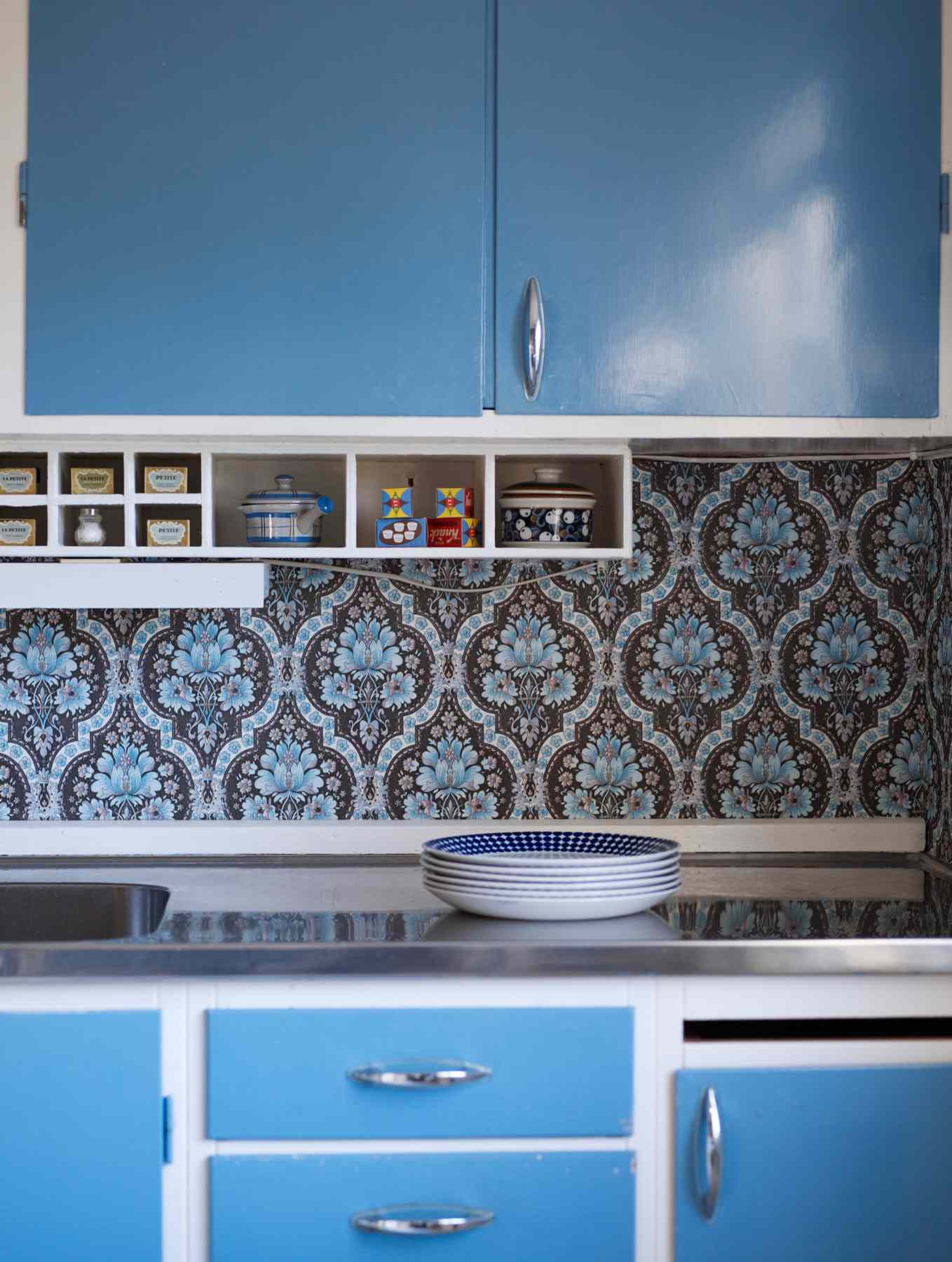
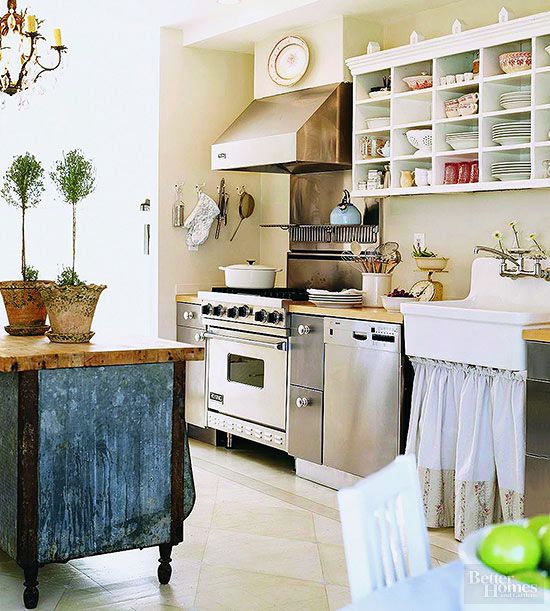
Vintage Kitchen Ideas Better Homes u0026 Gardens
Related articles:
- Modern Kitchen Countertop Ideas
- Country Kitchen Countertops
- Retro Tile Kitchen Countertops
- Rustic Wood Kitchen Countertops
- Vintage Kitchen Countertop Ideas
- Subway Tile Kitchen Countertops
- Dark Grey Kitchen Countertops
- Kitchen Countertop Granite Tile
- Kitchen Countertop Design
- Durable Kitchen Countertops
