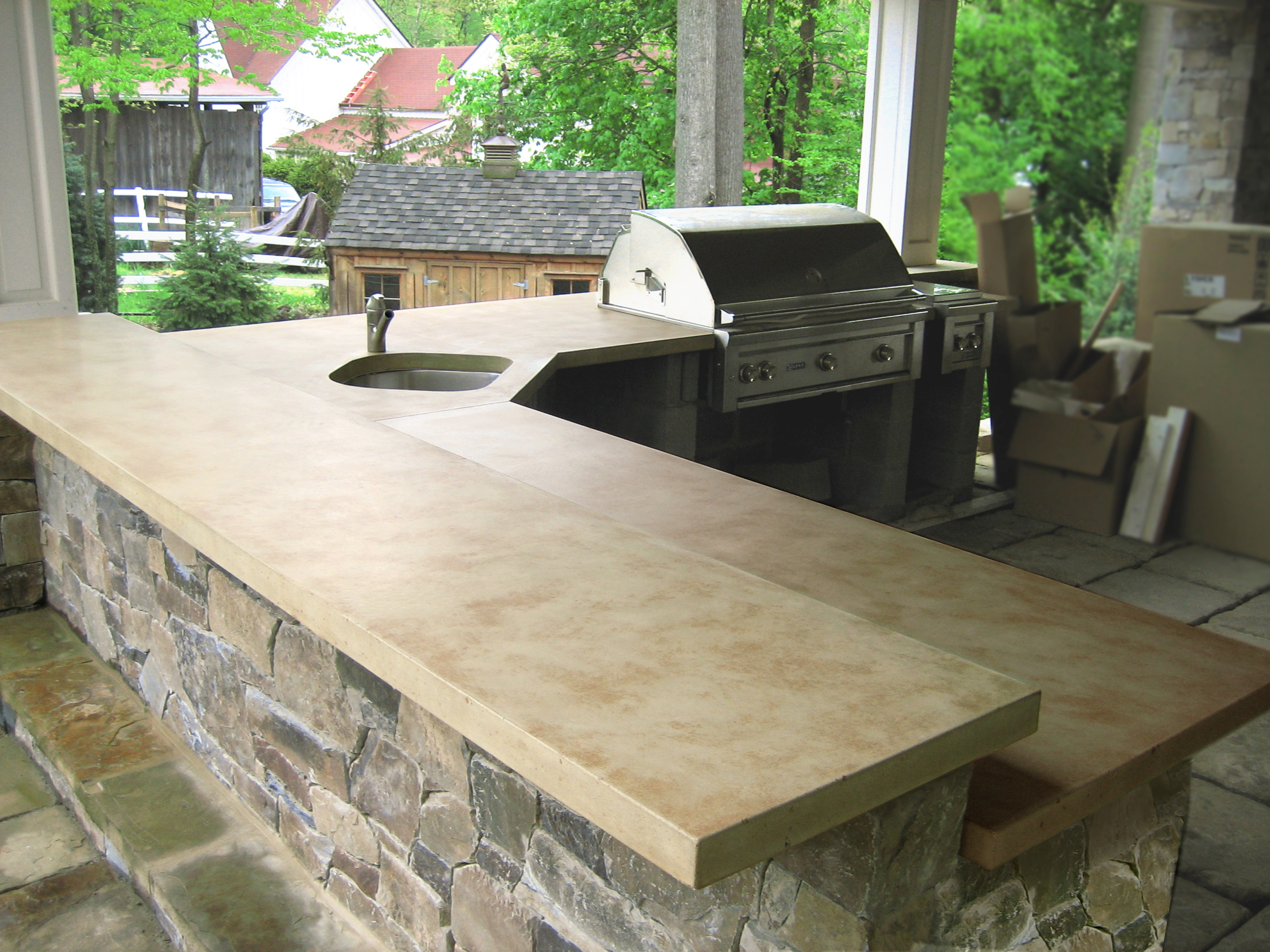
When I decided to create an outdoor kitchen in my backyard three years ago, I knew the countertops would face challenges that indoor surfaces never encounter. Rain, sun, freezing temperatures, and constant temperature fluctuations meant I needed something incredibly durable yet attractive enough to make my outdoor space feel like an extension of my home. After extensive research and some trial and error, I discovered that properly designed and installed concrete countertops offered the perfect combination of strength, versatility, and aesthetic appeal. The project transformed my backyard into an entertainment space that’s weathered everything nature has thrown at it while becoming the centerpiece of countless family gatherings and summer barbecues.
Understanding Concrete Mix Design for Outdoor Durability
My education in concrete countertop formulation began with understanding that outdoor applications demand different mix designs than indoor surfaces. Standard concrete mixes simply won’t survive freeze-thaw cycles and constant moisture exposure without cracking and deteriorating. I learned to specify high-strength mixes with low water-cement ratios, typically around 0.40, which creates denser concrete that resists water penetration and maintains structural integrity through temperature extremes.
Fiber reinforcement became a crucial component in my mix design after consulting with experienced concrete craftspeople. I incorporated both structural fibers for crack resistance and surface fibers that prevent surface crazing and improve impact resistance. The combination of polypropylene and glass fibers created a matrix within the concrete that distributes stresses and prevents the microcracking that can develop into serious structural problems over time.
Air entrainment proved essential for freeze-thaw durability in my climate, where winter temperatures regularly drop below freezing. The microscopic air bubbles created by air-entraining admixtures provide space for water to expand when it freezes, preventing the internal pressure that causes concrete to crack and spall. I learned to specify 5-7% air content for optimal freeze-thaw protection while maintaining adequate strength for countertop applications.
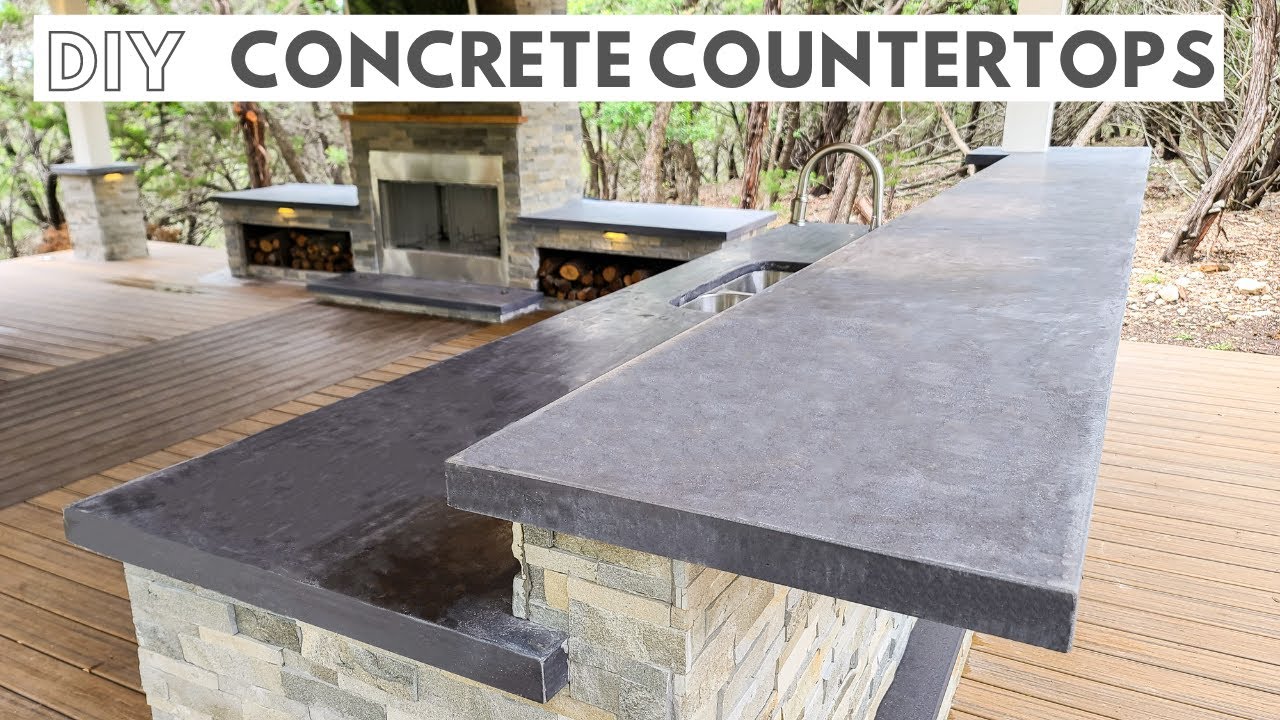
Color and Finish Options That Enhance Outdoor Spaces
Exploring color possibilities for outdoor concrete countertops opened up creative opportunities I hadn’t anticipated during my initial planning. Integral color pigments mixed throughout the concrete provided the most durable and fade-resistant option, eliminating concerns about surface stains wearing away over time. I chose earth tones that complemented my home’s exterior and natural landscaping, creating a cohesive outdoor living environment that felt intentional and well-designed.
Aggregate exposure techniques allowed me to create unique textures and visual interest that standard smooth finishes couldn’t achieve. I experimented with different aggregate types, from local river rock to recycled glass, creating surfaces that caught sunlight beautifully and provided subtle texture that enhanced both appearance and slip resistance. The polishing process to reveal these aggregates became one of my favorite aspects of the project, watching hidden beauty emerge as I worked.
Surface treatments and sealers played crucial roles in both appearance and performance. I tested various sealer systems and discovered that penetrating sealers provided better long-term performance than topical coatings in outdoor environments. The right sealer enhanced color depth without creating the artificial, plasticky appearance that some topical products produce. Multiple thin coats rather than single thick applications provided more uniform coverage and better protection.
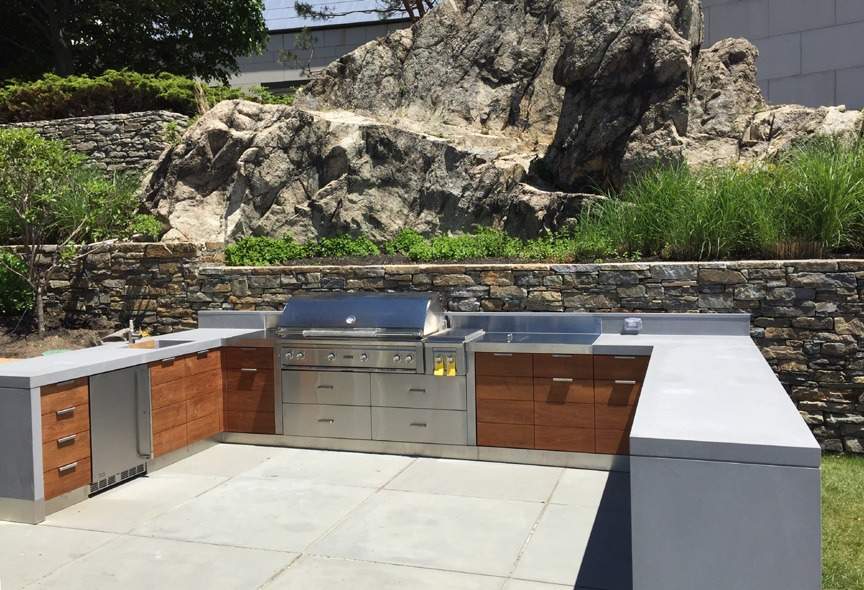
Weather Resistance and Seasonal Maintenance Requirements
Living through four complete seasonal cycles with my outdoor concrete countertops taught me realistic lessons about weather resistance and necessary maintenance. Winter proved most challenging, with freeze-thaw cycles testing the concrete’s durability and my sealer application quality. I learned to remove snow promptly and avoid using salt-based ice melters that can damage concrete surfaces, opting instead for sand or specialty concrete-safe products.
Summer’s intense UV exposure and heat required different considerations than I’d anticipated. The concrete itself handled heat excellently, staying surprisingly cool even in direct sunlight, but the sealer required monitoring for any signs of degradation or yellowing. I developed a routine of inspecting the surface regularly during the summer months, looking for areas where the sealer might be wearing thin and needing touch-up applications.
Spring and fall maintenance became my opportunity for deep cleaning and protective treatments that prepared the countertops for extreme weather ahead. I power-washed surfaces to remove accumulated grime, then applied fresh sealer coats before summer heat or winter cold arrived. This preventive approach proved much more effective than reactive maintenance after problems developed, keeping my countertops looking and performing like new.

Installation Challenges Unique to Outdoor Applications
Installing outdoor concrete countertops presented challenges that indoor installations never face, starting with substrate preparation and structural support requirements. The countertop support structure needed to handle not just the concrete’s weight but also resist moisture damage and temperature-induced movement. I used marine-grade plywood and pressure-treated lumber with extensive waterproofing to create a base that wouldn’t rot or warp over time.
Temperature control during curing became critical for achieving optimal strength and durability. I learned that concrete needs specific temperature ranges during its initial curing period to develop proper strength characteristics. Installing during moderate weather was ideal, but project timelines sometimes required working in less-than-perfect conditions. I used insulated blankets in cool weather and misting systems in heat to maintain appropriate curing temperatures.
Drainage considerations required careful planning to prevent water accumulation that could cause staining or freeze-thaw damage. I designed subtle slopes into the countertop surface, directing water away from seams and toward designated drainage points. Proper flashing and waterproofing around the countertop perimeter prevented water from migrating into the support structure, where it could cause long-term damage.

Customization Options for Outdoor Kitchen Functionality
Designing functional outdoor countertops required thinking beyond aesthetics to incorporate features that enhance cooking and entertaining experiences. Integrated cutting boards, trivets, and utensil holders became permanent fixtures molded directly into the concrete, eliminating the need for loose accessories that could blow away or get misplaced. These built-in features added convenience while maintaining the clean, streamlined appearance I wanted.
Sink and appliance integration demanded careful planning during the design phase, as modifications after concrete curing are difficult and potentially damaging. I created precise templates for my outdoor sink, built-in cooler, and side burner locations, testing fits multiple times before casting the concrete. The effort paid off with seamless integration that looked professionally designed and functioned flawlessly.
Edge profiles and decorative elements allowed me to add personality and visual interest to what could have been plain, utilitarian surfaces. I experimented with various edge forms, from simple bevels to more ornate profiles that echoed architectural details from my home. Embedded decorative elements like bottle openers, LED lighting channels, and personalized stamps made the countertops uniquely mine while serving practical purposes.
Repair and Long-Term Care Strategies
Learning to address minor damage quickly prevented small issues from becoming major problems with my outdoor concrete countertops. Small chips and cracks that developed during the first year required immediate attention to prevent water infiltration and further deterioration. I kept color-matched repair materials on hand and developed skills in patching techniques that made repairs virtually invisible once completed.
Sealer maintenance became my most important long-term care task, protecting the concrete from staining, moisture damage, and surface degradation. I established a regular resealing schedule based on my climate and usage patterns, typically applying fresh coats annually before winter. Learning to recognize signs that the sealer was failing, like water no longer beading on the surface, helped me stay ahead of potential problems.
Professional assessment every few years provided expert evaluation of the countertops’ condition and recommendations for any necessary repairs or treatments. These consultations caught developing issues that I might have missed and ensured my maintenance approach remained appropriate for the countertops’ evolving needs. The investment in professional guidance saved money by preventing major repairs through timely intervention.

Cost Analysis and Value Considerations for Outdoor Concrete
Budget planning for my outdoor concrete countertop project required understanding both obvious and hidden costs. Material expenses included not just concrete and reinforcement but specialized outdoor-rated sealers, forms, and finishing supplies. I initially underestimated costs by about 30%, learning that quality outdoor applications demand premium materials that justify their higher prices through superior performance and longevity.
Installation complexity significantly impacted overall project costs, whether hiring professionals or tackling the work myself. Professional installation provided expertise and warranties but commanded premium prices, while DIY saved money but required substantial time investment and skill development. I chose a hybrid approach, hiring professionals for critical steps like mix design and structural support while handling finishing work myself.
Long-term value assessment revealed that concrete countertops offered excellent return on investment compared to other outdoor surface options. The durability and minimal maintenance requirements meant lower lifetime costs despite higher initial investment. The custom design and quality materials also added to my home’s value, making the outdoor kitchen a selling point that real estate professionals identified as adding significant market appeal.
How do outdoor concrete countertops handle freeze-thaw cycles?
With proper mix design and sealing, they handle freeze-thaw excellently. I specified air-entrained concrete and low water-cement ratios that prevent internal cracking. After three winters with temperatures well below freezing, my countertops show no freeze-thaw damage. The key is quality materials and proper installation, not skipping steps to save money. Regular sealing maintains this protection over time.
What maintenance schedule do outdoor concrete countertops require?
I clean mine weekly during heavy use seasons, reseal annually before winter, and do deep maintenance twice yearly. Daily wiping prevents stains, while seasonal care maintains weather protection. The routine takes maybe two hours annually for resealing plus regular quick cleanups. Compared to replacing cheaper materials every few years, the maintenance investment is minimal and straightforward.

Can you install outdoor concrete countertops yourself or need professionals?
I used professionals for structural elements and initial installation, but handled finishing and sealing myself. Concrete work requires specific skills, proper materials, and an understanding of curing requirements. Mistakes can be expensive to fix. If you’re handy and willing to learn, DIY is possible, but I’d recommend professional help for critical steps. The stakes are higher outdoors than with indoor projects.
How do costs compare to granite or other outdoor countertop options?
My concrete countertops cost about $75-100 per square foot installed, comparable to mid-range granite but with more customization options. Cheaper alternatives like tile might cost less initially, but often don’t last as long outdoors. Premium natural stone can cost significantly more. Factor in longevity and maintenance, and concrete offers excellent value, especially considering the custom design possibilities.
What’s the biggest challenge with outdoor concrete countertops?
Weather exposure demands vigilant sealer maintenance and proper initial installation. Unlike indoor countertops that face controlled conditions, outdoor surfaces endure temperature extremes, UV exposure, and moisture that test every aspect of the installation. However, with appropriate materials and care, these challenges are completely manageable. The key is not cutting corners during installation and maintaining consistent care routines.
How long do outdoor concrete countertops typically last?
With proper installation and maintenance, outdoor concrete countertops can last 20-30 years or more. Mine are three years old and look nearly new despite constant weather exposure. The concrete itself is incredibly durable, while sealers need periodic renewal. Unlike many outdoor materials that degrade over time, properly maintained concrete actually becomes more stable and develops attractive patina with age.

Related articles:
- Outdoor Concrete Countertops
- How To Make Concrete Countertops Smooth
- Rustic Concrete Countertops
- Farmhouse Concrete Countertops
- Concrete Countertops Outdoor Kitchen
- How To Stain Concrete Countertops
- DIY Concrete Countertop Mix
- Concrete Countertops Made Easy
- Concrete Countertop Overlay
- Black Concrete Countertops
