When I installed butcher block countertops in my kitchen three years ago, I wasn’t prepared for how much they’d change the entire feel of my space. The warm honey tones instantly made my kitchen feel cozier and more inviting than the cold granite I’d removed. But here’s what surprised me most: styling a butcher block is completely different from decorating other countertop materials. The wood grain, natural variations, and organic texture require a thoughtful approach to avoid visual chaos or hiding the beauty you paid for. I’ve spent years experimenting with what works and what doesn’t, and I’m excited to share the decorating strategies that help my butcher block counters shine while keeping my kitchen functional and beautiful.
Choosing the Right Color Palette to Complement Wood Tones
Understanding my butcher block’s undertones became crucial for selecting decor that harmonized rather than clashed. My maple counters lean warm with golden and amber hues, so I gravitated toward accessories in cream, soft white, and natural materials that didn’t compete. Cool grays and stark whites that looked amazing on my friend’s quartz counters felt jarring against my wood. I learned to hold potential purchases against my countertop before buying to see how they interacted with the wood’s warmth.
I discovered that contrasting dark accents create a stunning visual impact against the lighter butcher block. Black iron trivets, dark ceramic canisters, and oil-rubbed bronze accessories pop beautifully while grounding the space. The contrast prevents my kitchen from feeling too matchy or washed out. I balance these darker pieces with plenty of breathing room, not clustering too many dark items together. This approach creates focal points that guide the eye around my counters intentionally.
Natural material pairings became my secret weapon for cohesive styling. Woven baskets, ceramic pottery, linen textiles, and stone accents all share butcher block’s organic quality, creating harmony through texture rather than exact color matching. I keep a wooden dough bowl filled with lemons, a marble mortar and pestle, and woven placemats that complement without overwhelming. These natural elements layer beautifully together, making my kitchen feel collected over time rather than overly coordinated or staged.
Selecting Functional Decor That Protects Your Investment
I quickly learned that everything touching my butcher block needed to be carefully considered for protection. Cork-backed trivets became essential for hot pots and serving dishes, preventing heat damage to both the wood and its finish. I keep several in easy reach near my stove, making them part of my visible decor by choosing attractive designs in materials that complement my aesthetic. Functional protection doesn’t have to be ugly when you choose thoughtfully.
Cutting boards paradoxically protect my butcher block counter, even though the counter itself could theoretically be used for cutting. I keep a beautiful end-grain board displayed near my prep area, using it for all my knife work to preserve the countertop’s finish and prevent deep scratches. This board became a decorative element itself, leaning artfully against my backsplash when not in use. The rich wood grain and craftsmanship make it display-worthy rather than something to hide in a drawer.
I invested in attractive coasters and small ceramic dishes that protect against water rings and spills while looking intentional. A pretty soap dish keeps my sink area organized and prevents standing water from damaging the wood around my sink. Decorative trays corral items like my olive oil bottle and salt cellar, catching any drips before they reach the wood. These practical pieces serve double duty, protecting my investment while contributing to the overall styled look I wanted to achieve.
Creating Vignettes Without Overwhelming Natural Beauty
Learning to edit ruthlessly saved my counters from looking cluttered. Butcher block’s gorgeous grain patterns deserve space to shine, so I keep about 60 percent of my counter surface clear. I create small, intentional groupings rather than scattering items everywhere. One corner might have a trio of ceramic canisters, while another features my coffee station. The negative space between vignettes lets the wood’s natural beauty remain the star of the show.
Height variation became my trick for creating visual interest in compact groupings. I layer items by placing a small cutting board upright behind a bowl of fruit, or stacking cookbooks beneath a potted herb. This dimensional approach prevents my vignettes from looking flat while maintaining a small footprint. I learned this from magazines but adapted it to feel less staged and more organic, like these items naturally accumulated through daily use rather than being arranged for a photo shoot.
I rotate my decor seasonally to keep things fresh without permanent commitment. Summer brings bright citrus in bowls and fresh herb bundles, while fall introduces mini pumpkins and wheat stalks in vintage crocks. This rotation prevents me from getting bored while letting me experiment with different styling approaches. The butcher block’s neutral warmth accommodates these changes beautifully, serving as a perfect backdrop for evolving seasonal touches that reflect how I’m actually using my kitchen throughout the year.

Incorporating Greenery and Natural Elements
Fresh herbs in simple pots transformed both my cooking and my counter’s appearance. I keep basil, rosemary, and thyme in terra cotta pots on a small wooden tray near my prep area. The greenery adds life and movement while serving a practical purpose when I’m cooking. The earthy pots complement the butcher block perfectly, and I love how the living plants make my kitchen feel more connected to nature and less like a sterile cooking laboratory.
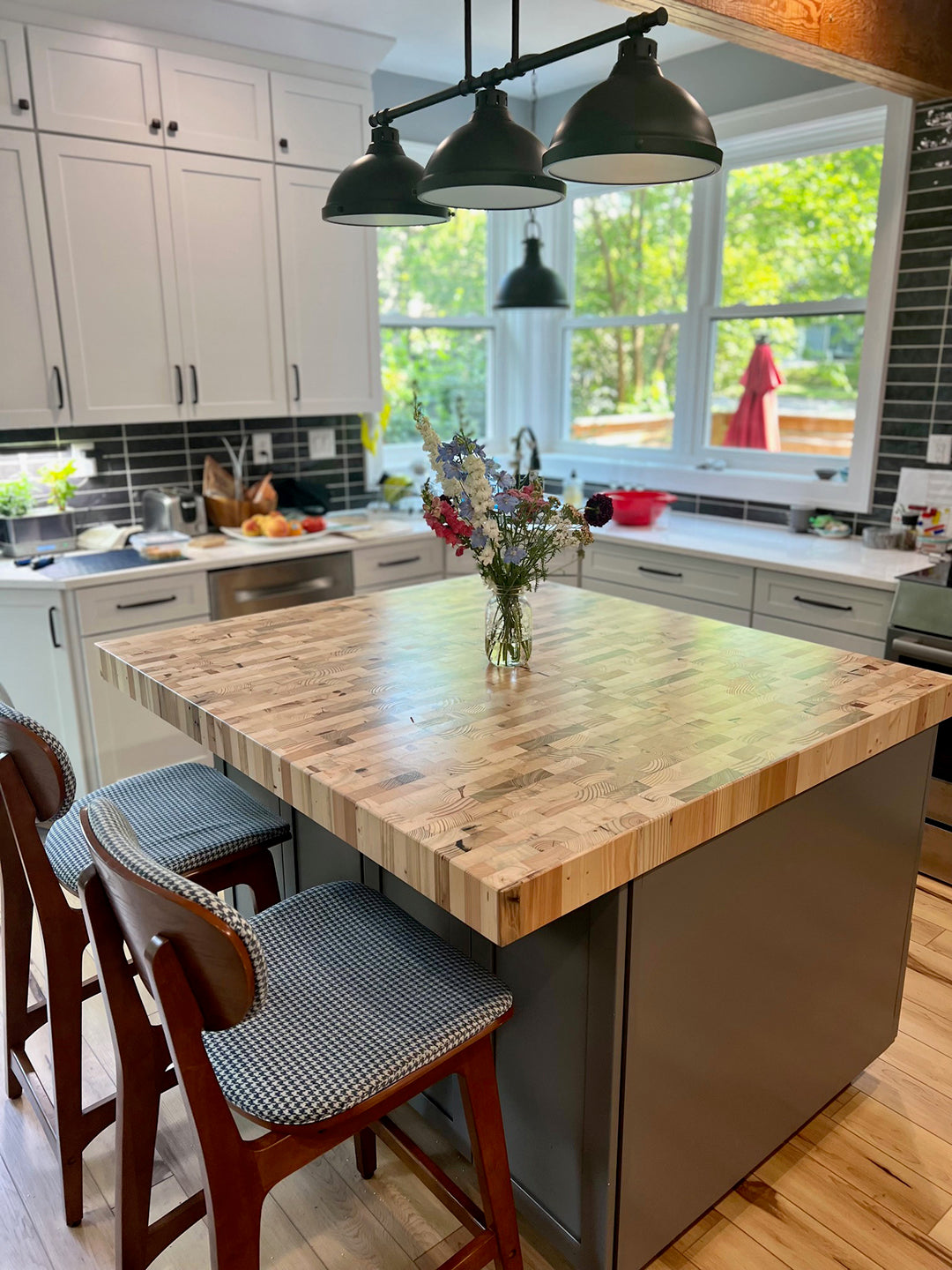
I discovered that single-stem flowers in small vessels create elegant moments without demanding much space. A vintage milk bottle with one garden rose or a simple bud vase with wildflowers adds softness against the wood’s strong grain patterns. I change these out weekly, keeping arrangements minimal and letting the wood backdrop make even simple stems feel special. This approach feels more authentic to my lifestyle than elaborate floral arrangements that would be too fussy for daily kitchen life.
Natural found objects became unexpected favorites in my butcher block styling. A beautiful piece of driftwood holds my cooking utensils, while smooth river stones weigh down a stack of handwritten recipes. These organic elements cost nothing but add incredible texture and interest. They make my kitchen feel personal and collected, like each item has a story. The wood counter enhances rather than competes with these natural touches, creating an earthy, grounded aesthetic I never achieved with previous countertop materials.
Displaying Cooking Essentials as Decorative Elements
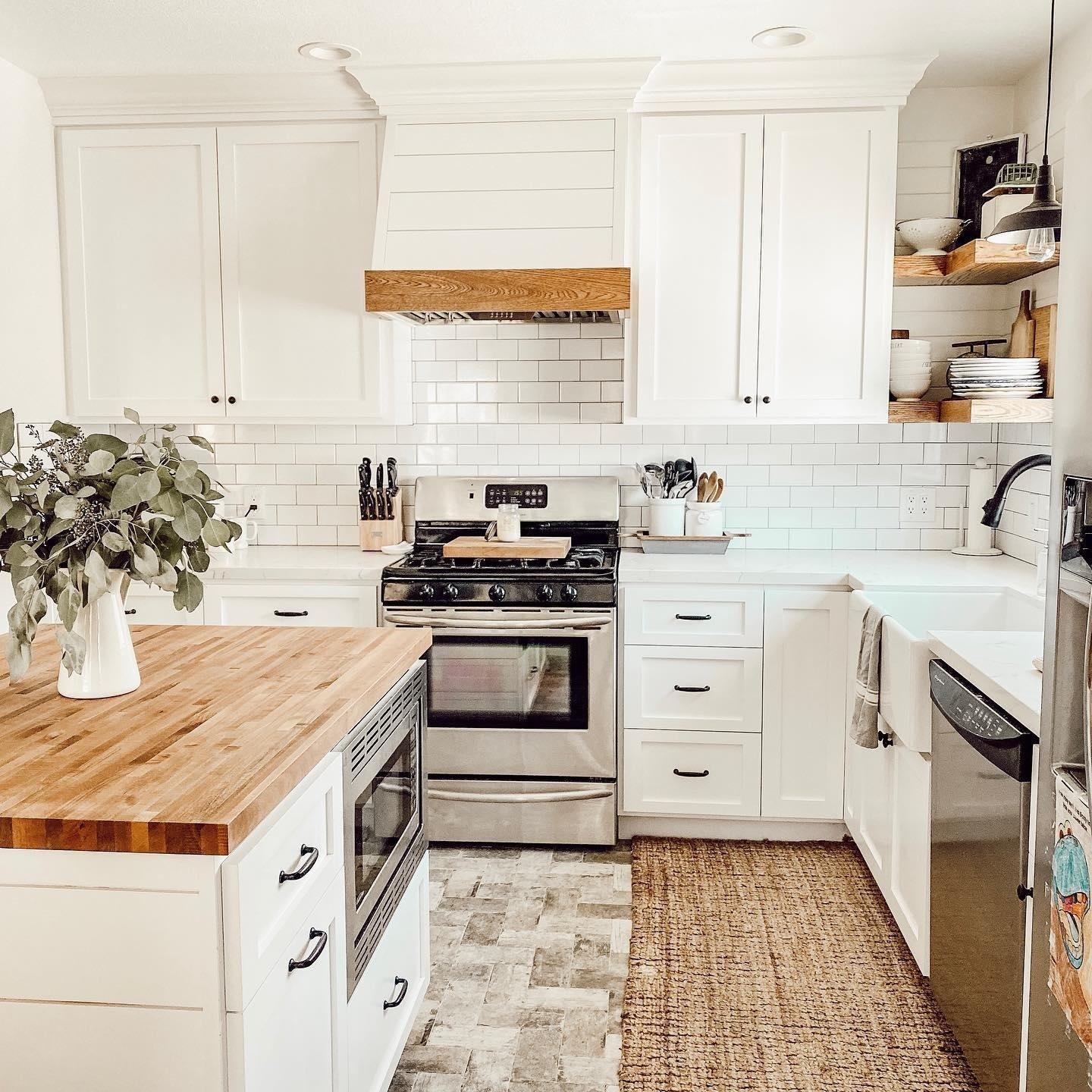
My favorite wooden utensils became beautiful decor when I stopped hiding them in drawers. I keep them in a large ceramic crock near my stove, handles up so the various wood tones create an arrangement that’s both practical and pretty. The repetition of wood, counter to utensils, creates cohesive flow. I chose my most attractive spoons, spatulas, and whisks for display, relegating the beat-up ones to a drawer where they don’t detract from the aesthetic.
Quality oils and vinegars in beautiful bottles transformed my countertop into something resembling a boutique kitchen. I decanted olive oil into a sleek glass dispenser and displayed aged balsamic in its original attractive bottle. These ingredients I use daily earned their counter real estate while adding visual interest through their varied heights and amber tones. The glass transparency prevents them from feeling heavy, and they catch light beautifully against the matte wood surface.
I curated a small collection of everyday dishes that live on my counter rather than in cabinets. A stack of handmade ceramic bowls, my favorite mugs on hooks beneath the upper cabinets, and a beautiful cake stand holding fresh baked goods make my kitchen feel lived-in and welcoming. These aren’t decorations for decoration’s sake, they’re the items I actually use every single day. Keeping them visible and accessible makes cooking more enjoyable while creating that effortless, collected look I’d always admired in other people’s kitchens.

Balancing Modern and Rustic Aesthetic Elements
I learned that butcher block doesn’t lock you into pure farmhouse or rustic styling. My kitchen blends modern elements like sleek black hardware and simple subway tile with the warmth of wood counters, creating a transitional look that feels current but timeless. Chrome appliances and geometric pendant lights prevent the space from feeling too country. This balance lets the butcher block feel fresh and intentional rather than dated or overly themed.
Mixing metals became my strategy for keeping things interesting without clashing. I combined warm brass candlesticks with matte black cabinet pulls and stainless appliances, all playing beautifully against the neutral wood. The butcher block acts as a mediator between these different finishes, its organic nature making the mix feel curated rather than confused. I avoid matchy-matchy approaches that can feel flat, preferring the depth that comes from thoughtfully varied metallic accents.
Contemporary pottery and minimalist accessories modernize the traditional warmth of butcher block. I display clean-lined ceramic pieces, geometric planters, and simple glass vessels that feel current without fighting the wood’s classic appeal. This juxtaposition creates tension in the best way, making both the modern pieces and the traditional counter feel more interesting. My kitchen doesn’t fit neatly into one style category, and I’ve learned that’s exactly what makes it feel personal and authentically mine rather than copied from a magazine.
What items should I never place directly on butcher block counters?
I avoid placing hot pots, wet items without coasters, and anything that might leak or spill directly on my butcher block. Always use trivets under hot items and coasters under glasses or bottles. Raw meat goes on a separate cutting board, never directly on the counter. Standing water is butcher block’s enemy, so I wipe spills immediately and use trays or dishes under items that might drip or condense.
How do I keep my counters from looking too cluttered with decor?
I follow the 60 percent rule, keeping more than half of my counter surface completely clear to let the wood shine. Group items in intentional vignettes rather than scattering them randomly. Edit ruthlessly and remove anything that doesn’t serve a purpose or bring you joy. Rotate decor seasonally instead of keeping everything out year-round. When in doubt, remove one more item than you think necessary.
What colors work best for accessories on butcher block?
Warm neutrals like cream, beige, and soft white harmonize beautifully with wood tones. Black and dark charcoal create a stunning contrast. Earthy greens, terracotta, and warm metallics like brass or copper complement the wood’s warmth. I avoid cool grays and stark bright whites that can clash with the golden undertones. Natural materials in any color tend to work because they share the wood’s organic quality.
Should I match my decor to my specific wood type?
You don’t need exact matching, but understanding your wood’s undertones helps. My honey-toned maple works with warm accessories, while darker walnut butcher block could handle cooler tones. Hold items against your counter before buying to see how they interact. I focus on complementing rather than matching, choosing pieces that enhance rather than compete with my counter’s natural variations and grain patterns.
How can I protect my butcher block while still decorating it?
Use protective barriers like trivets, coasters, trays, and cutting boards under everything. Cork-backed accessories prevent scratching. Keep items that might leak or condense on small dishes or trays. Maintain your sealer or oil finish regularly so spills can’t penetrate. I’ve learned that building these protective habits makes decorating stress-free because I’m not constantly worried about damaging my beautiful counters.
What’s the best way to display fresh flowers on butcher block?
I use smaller arrangements in simple vessels that don’t overwhelm the counter or wood grain. Single stems in bud vases work beautifully. Always place vases on small dishes or coasters to catch condensation and prevent water rings. Change water regularly and wipe up any spills immediately. Simple garden flowers often look better than elaborate arrangements, keeping the focus on the wood’s natural beauty rather than competing with it.
Related articles:
- Butcher Block Countertops Decor
- Butcher Block Countertops Cottage
- Stain Butcher Block Countertops
- Butcher Block Countertops Vintage
- Butcher Block Countertop Farmhouse Sink
- Mahogany Butcher Block Countertops
- Butcher Block Countertop For Kitchen Island
- Can You Paint Butcher Block Countertops
- Butcher Block Countertops With White Cabinets
- Pine Butcher Block Countertops
