When I started planning my kitchen renovation two years ago, I spent months overwhelmed by the sheer number of countertop options available to me today. Gone are the days when granite and laminate were your only real choices, and I discovered there’s an exciting range of modern materials that combine durability, aesthetics, and practicality in ways I never expected. My journey through selecting and living with contemporary countertops has taught me so much about what works in real kitchens, and I’m thrilled to share my discoveries with you.
Quartz Countertops, The Modern Powerhouse
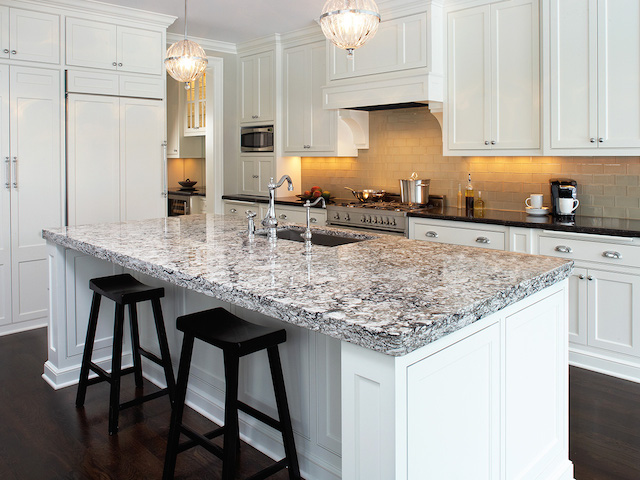
When I first learned about engineered quartz, I was honestly skeptical because it felt almost too good to be true. I wanted something beautiful, durable, and relatively low-maintenance, and quartz seemed to check every box. After extensive research and visiting showrooms, I decided to go with a gray quartz with subtle sparkle, and I haven’t regretted that decision once in the time I’ve owned it. The material is non-porous, which means it doesn’t require sealing like natural stone, and bacteria and moisture have nowhere to hide.
What surprised me most about my quartz countertops was how they’ve held up to my everyday abuse. I’m not always careful about letting hot pots sit directly on the surface, and I’ve accidentally left acidic foods sitting for hours without damage. While I’ve tried to be more mindful of these habits, the fact that my counters are forgiving has given me tremendous peace of mind. I’ve noticed that my friends with natural stone seem much more anxious about potential staining or etching than I ever feel.
The color consistency across my quartz has been remarkable compared to my expectations based on past experience with granite. Every installer used slabs that matched perfectly without the natural variation that makes granite unique. I originally worried this might feel sterile, but the subtle sparkle throughout the material creates visual interest that keeps the surface from looking flat or boring. The modern manufacturing process creates a sophisticated look that feels both elegant and practical for actual kitchen use.

Butcher Block, Warmth and Character
I was initially hesitant about butcher block countertops because I heard they required significant maintenance, but I installed a small section above my coffee station just to test the waters. I fell in love with the warm wood tones immediately, and the organic beauty of the material adds a coziness to my kitchen that my quartz counters couldn’t quite achieve alone. The tactile quality of wood under my hands while preparing food has become one of my favorite aspects of my kitchen renovation.
Maintaining my butcher block hasn’t proven nearly as burdensome as I feared. I oil the surface regularly with food-grade mineral oil, which keeps the wood nourished and prevents it from drying out and cracking. The process takes maybe five minutes and has become almost meditative for me, and I’ve noticed that the wood has developed a beautiful patina over time. Small scratches and marks from actual use have given my counters character rather than making them look damaged, which has been psychologically rewarding.
My butcher block section has developed a few quirks that I’ve learned to embrace, including slight warping in one corner during particularly humid summers. My contractor warned me this might happen, but the movement has been minimal and hasn’t affected functionality. I’ve also discovered that certain hot pots can leave slight discoloration if left directly on the wood, so I’m more careful about using trivets and hot pads. These minor considerations feel like a fair trade for the warmth and beauty the material brings to my kitchen.

Concrete, Industrial Edge with Customization
I’ll admit that concrete countertops were a bit of a wild card choice for me, but after visiting a showroom and seeing how customizable the material is, I became intrigued. I ultimately chose a more traditional approach for my main countertops, but had a concrete island installed with a subtle gray stain and slight sparkle finish. The concrete has given my kitchen an unexpected industrial sophistication that I genuinely love, and it’s become a conversation piece for every visitor.
The customization possibilities with concrete blew my mind when I was researching options. I could have added recycled glass, stone aggregates, or even colors that would coordinate with any design scheme I chose. My installer helped me understand the various finishing options, and I opted for a polished finish that’s both practical and beautiful. The material can be sealed to resist stains and moisture, though I’ve learned it’s not quite as impervious as quartz, requiring a bit more attentiveness in terms of spill cleanup.
Living with my concrete island has taught me that this material truly performs best with intentional care and a willingness to embrace its evolving appearance. I’ve had a few minor stains develop, but they add to the authentic, lived-in quality I was seeking with this choice. The concrete stays cool year-round, which is wonderful during summer cooking, and the surface is incredibly heat-resistant. I love how this material bridges the gap between the industrial aesthetic I was drawn to and the warmth and functionality my family actually needs in a kitchen.

Recycled Glass and Composite Materials
When I discovered recycled glass countertops during my research phase, I was captivated by the environmental aspect and the stunning visual appeal of the embedded glass pieces catching light throughout my kitchen. I didn’t end up installing glass counters as my primary surface, but I used recycled glass composite for a small area, and it’s become one of my most treasured decisions. The material combines resin with recycled glass to create something that’s both beautiful and environmentally conscious.
What I love most about the recycled glass composite is how it shifts appearance depending on the time of day and angle of light. Morning sunlight creates one effect, afternoon light another, and under my kitchen’s task lighting, it transforms yet again. The colors in the material, which include bits of reclaimed glass in shades of blue, green, and clear, create genuine visual depth that feels incredibly sophisticated. I didn’t expect such interactive material to be so practical, but it performs beautifully under daily use.
The maintenance for my recycled glass counters is straightforward, similar to quartz in many ways, and the non-porous surface means I don’t worry about bacterial growth or staining. I’ve been genuinely impressed by the durability of this composite material, and the fact that I’m using recycled materials makes every meal I prepare on this counter feel aligned with my environmental values. The slight premium cost for these counters felt justifiable to me for the combination of beauty, performance, and sustainability.

Stainless Steel, Professional Kitchen Appeal
I was initially terrified of stainless steel countertops because I worried about fingerprints, scratches, and a cold feeling in my kitchen, but after visiting a restaurant supply showroom, I became intrigued by the possibility. I ended up installing a stainless steel prep area next to my cooktop, and it’s completely transformed my cooking experience. The surface is incredibly hygienic, which matters to me as someone who takes food safety seriously, and it’s remarkably easy to clean quickly during the chaos of meal preparation.
The professional aesthetic of stainless steel has elevated my kitchen’s functionality in ways I didn’t anticipate. I love how quickly I can wipe down the surface, and there’s something deeply satisfying about the immediate cleanliness. Yes, fingerprints do show up, but I’ve found that a microfiber cloth keeps the surface looking pristine with minimal effort. The sound of a knife against stainless steel is different from other materials, and I’ve genuinely come to enjoy the acoustic feedback while chopping vegetables.
Living with stainless steel has taught me that this material performs best in specific kitchen zones rather than as a primary countertop everywhere. The cold aesthetic that worried me initially has actually become a feature I value, especially during summer or when I’m working with warm ingredients. I’m careful not to slide heavy pots directly across the surface, as this can create visible scratches, but I’ve learned that these marks develop a patina over time and add to the authentic, working kitchen feel I was seeking.

Laminate Evolution, Modern Options Worth Reconsidering
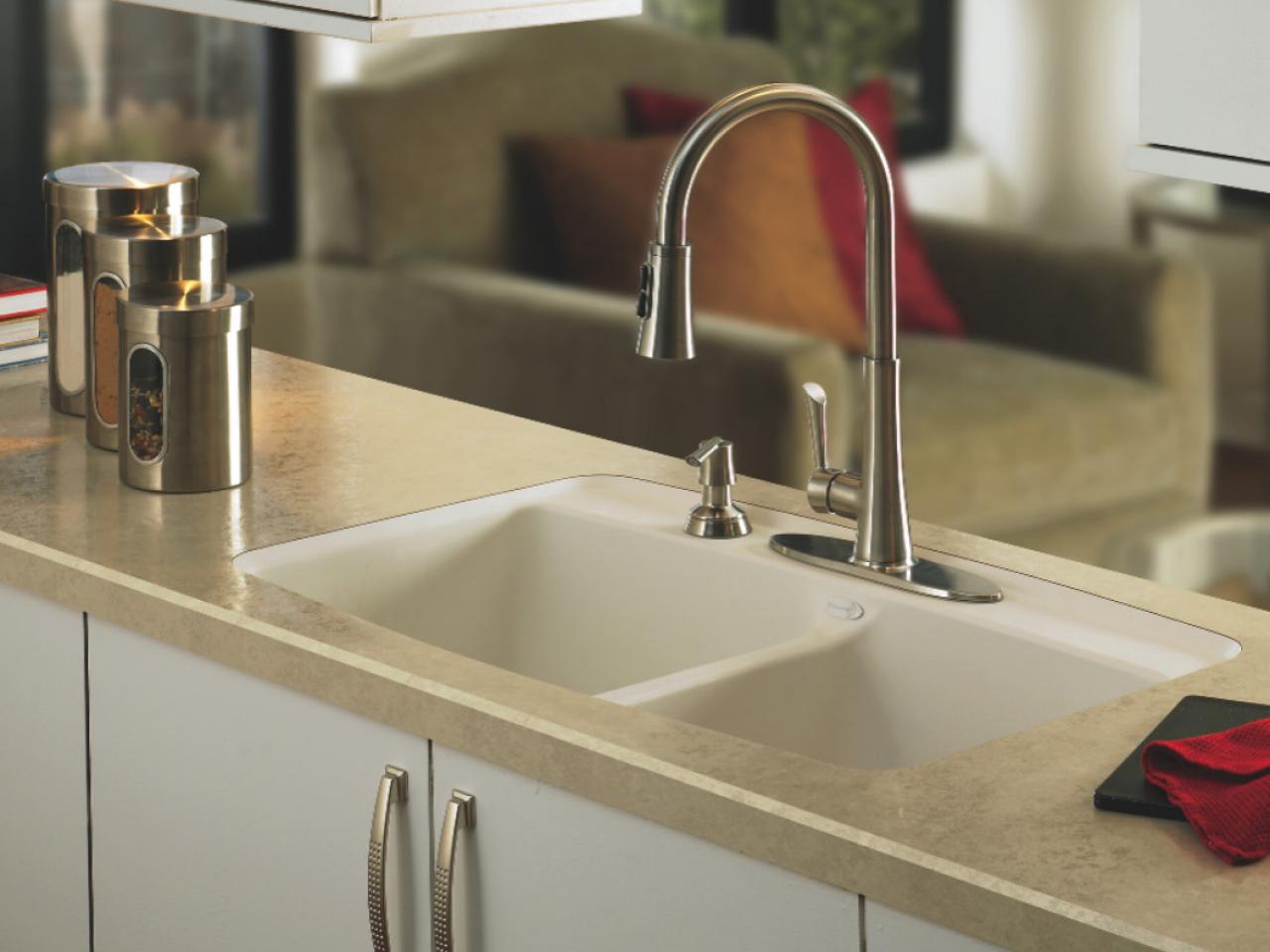
I have to admit that I initially dismissed laminate as an outdated option not worthy of my consideration, but when I started exploring contemporary laminate designs, I realized how much the material has evolved. Modern laminates now feature realistic stone and wood appearances, and they offer an affordable entry point for anyone wanting to update their kitchen on a budget. I installed laminate in a guest cottage on my property, and the results have been far more impressive than I expected.
The durability of modern laminate counters has genuinely surprised me positively. While laminate isn’t heat-resistant in the way that stone or concrete is, it resists scratches and stains far better than I remembered from older laminate in my childhood home. The colors and patterns available now include photorealistic options that convincingly mimic natural stone or high-end materials at a fraction of the cost. I chose a charcoal gray wood-look laminate, and visitors often assume it’s real wood or concrete until I tell them otherwise.
Maintenance of my laminate counters in the guest cottage has been effortlessly simple, and I’ve appreciated how forgiving this material is for less fastidious users. A quick wipe-down with mild soap and water keeps them looking beautiful, and I don’t worry about sealing, oiling, or specialized care routines. While laminate won’t last as many decades as natural stone, the affordable price point means I can update the look more frequently if design trends shift or if I simply get tired of the current appearance.
Deciding What Works for Your Lifestyle
Choosing the right modern countertop material ultimately depends less on what looks beautiful in a showroom and more on how you actually live in your kitchen. I spent time honestly assessing my cooking habits, my family’s routines, my maintenance tolerance, and my budget before settling on my combination approach. Having quartz as my primary workhorse, butcher block for warmth and specific zones, stainless steel for food prep, and recycled glass composite as an accent creates a kitchen that’s both beautiful and genuinely functional for my real life.
I’ve learned that there’s no single perfect countertop material, but rather different options that excel in different circumstances and support different values. Someone who cooks professionally might prioritize stainless steel’s performance, while a baker might love the warmth and feel of butcher block. My environmental consciousness drew me toward recycled glass, while my practical side appreciated quartz’s low maintenance. Your ideal countertop material should align with who you are and how you actually use your kitchen.
The evolution of countertop options available today feels genuinely exciting to me, and I encourage anyone starting a kitchen renovation to explore beyond traditional choices. Visit showrooms in person, ask installers about their real-world experiences, and envision how each material would actually perform in your specific kitchen. The material you choose will be touched by your hands thousands of times, so it’s worth taking time to find something that feels right both aesthetically and practically for your unique situation.

Which modern countertop material is the most durable?
From my experience, quartz has proven to be the most resilient and low-maintenance option I’ve worked with. Stainless steel is also incredibly durable if you’re willing to embrace its aesthetic and occasional fingerprints. Concrete and recycled glass composites are very durable as well, though they require slightly more intentional care and maintenance than engineered quartz.
Can I combine different countertop materials in one kitchen?
Absolutely, and I’d actually encourage it. I’ve created a beautiful, functional kitchen by using different materials in different zones, and each one performs optimally for its specific purpose. Quartz for heavy-duty prep work, butcher block for warmth, stainless steel near the cooktop for heat resistance, and glass composite as an accent create both visual interest and practical functionality.
Which modern countertop material is most affordable?
Modern laminate and butcher block tend to be the most budget-friendly options, followed by concrete if you’re willing to DIY some of the installation. Quartz falls in the mid-to-high range, while specialty materials like recycled glass composites tend to be premium choices. Your budget can work with any option; it just determines the extent of installation.
How do I care for butcher block without it becoming a maintenance nightmare?
Regular oiling with food-grade mineral oil is honestly all that’s needed. I oil mine maybe once a month or whenever it starts looking a bit dry, and this five-minute task keeps my butcher block looking beautiful. Wiping spills quickly and using hot pads prevents most damage, and any marks that do develop add character rather than being actual problems.
Are engineered quartz countertops really non-staining?
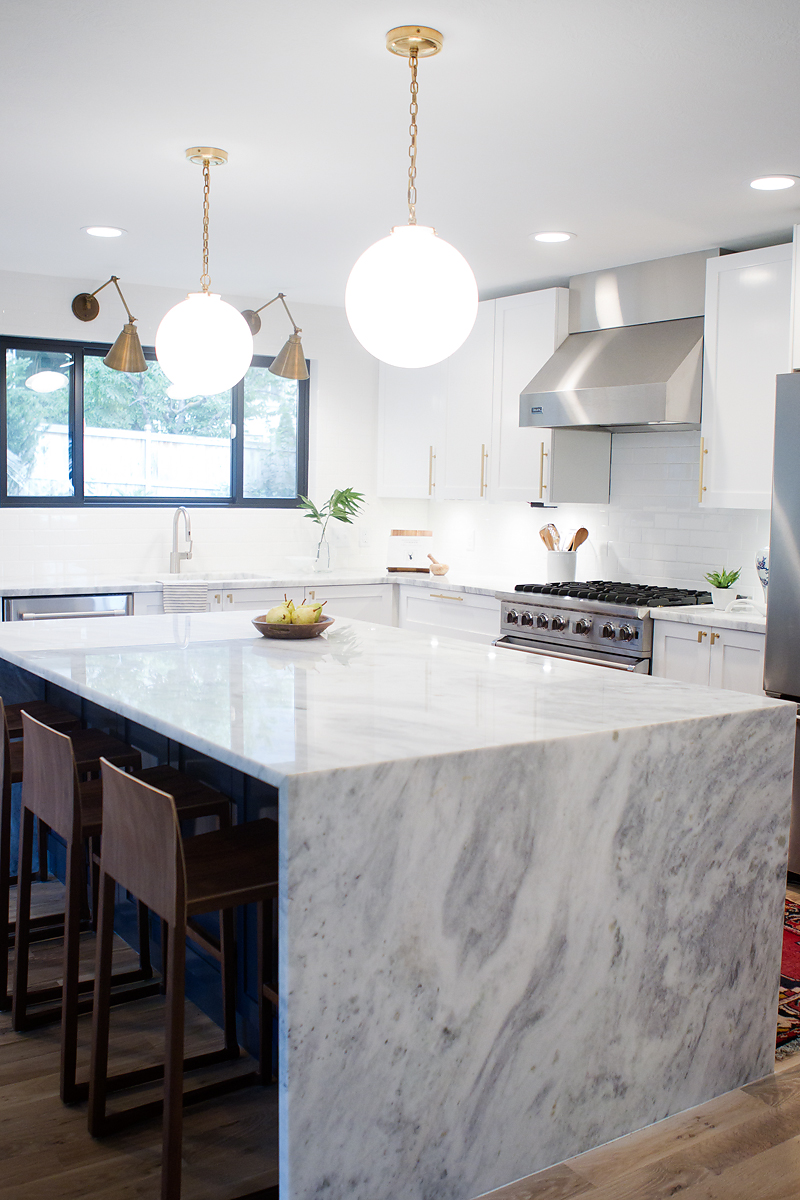
In my experience, quartz is incredibly stain-resistant compared to natural stone, and it definitely doesn’t require sealing. That said, some substances can leave marks if left sitting for extended periods. I’ve found that regular prompt cleanup means I’ve never had a permanent stain, but quartz isn’t completely invulnerable to everything, just dramatically more forgiving than alternatives.
Which modern countertop material would work best for a busy family with kids and pets?
Quartz is probably your best bet for combining durability, easy maintenance, and stain resistance in a high-traffic situation. Stainless steel is incredibly hygienic and durable, though less forgiving of scratches. I’d honestly avoid butcher block for very young children unless you’re very relaxed about appearance changes, as this material shows use readily and requires more active maintenance.
Related articles:
- Modern Kitchen Countertop Ideas
- Country Kitchen Countertops
- Retro Tile Kitchen Countertops
- Rustic Wood Kitchen Countertops
- Vintage Kitchen Countertop Ideas
- Subway Tile Kitchen Countertops
- Dark Grey Kitchen Countertops
- Kitchen Countertop Granite Tile
- Kitchen Countertop Design
- Durable Kitchen Countertops
