When I decided to replace my laminate countertops with rustic wood, I thought I knew what I was getting into. After all, wood countertops seemed straightforward compared to the complexities of stone or quartz installations. What I discovered was a fascinating journey into the nuances of wood species, finishing techniques, and daily maintenance that completely transformed not just my kitchen’s appearance, but how I cook and entertain. The rustic wood countertops brought warmth and character to my space in ways I never expected, while teaching me valuable lessons about living with natural materials that age and patina beautifully over time.
Choosing the Right Wood Species for Durability
Selecting the perfect wood species for my rustic kitchen countertops required research that went far beyond simply choosing what looked attractive in the showroom. I learned that different woods have vastly different hardness ratings, grain patterns, and maintenance requirements that dramatically affect their performance as kitchen work surfaces. My initial attraction to pine’s rustic appearance quickly faded when I discovered its softness would show knife marks and dents from normal kitchen use within months of installation.
After consulting with local woodworkers and researching Janka hardness ratings, I narrowed my choices to oak, maple, and cherry, each offering different benefits for kitchen environments. Oak provided the most authentic rustic character with its prominent grain patterns and natural color variations, while maple offered superior durability and a lighter base color that wouldn’t darken as dramatically over time. Cherry presented a beautiful middle ground with moderate hardness and gorgeous aging characteristics that would develop rich patina over the years of use.
I ultimately chose reclaimed chestnut from a local barn restoration project, which provided incredible character with genuine age and patina that couldn’t be replicated artificially. The wood had been naturally air-dried for over a century, making it incredibly stable and less prone to movement than freshly milled lumber. While more expensive than new wood options, the authentic rustic appearance and unique history of each plank created a kitchen centerpiece that tells a story and adds genuine character to my home.

Installation Process and Professional Considerations
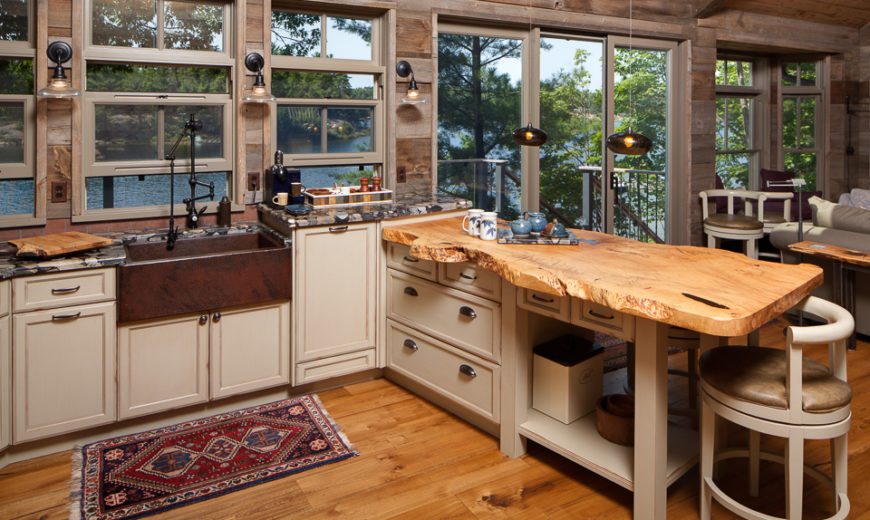
Installing rustic wood countertops proved more complex than I initially anticipated, requiring careful planning and professional expertise to achieve both beautiful results and long-term durability. The first challenge involved accurately measuring and templating irregular wood slabs that didn’t conform to standard dimensions like manufactured materials. I learned that rustic wood often includes natural edge features, knots, and thickness variations that require custom fabrication and skilled installation techniques.
My contractor emphasized the importance of a proper support structure, as wood countertops require more substantial bracing than laminate or tile alternatives. We installed additional support brackets every 18 inches along the span and reinforced the cabinet framework to handle the increased weight. The installation also required careful attention to expansion gaps, allowing the wood to move naturally with seasonal humidity changes without cracking or separating from mounting hardware.
The finishing process became crucial for both appearance and performance, requiring multiple coats of food-safe polyurethane applied under controlled conditions. I chose a satin finish that enhanced the wood’s natural beauty while protecting against moisture and stains. The installation timeline extended over a full week, including acclimation time, mounting, sanding, and finishing, much longer than I’d expected but essential for achieving professional results that would last for decades.
Daily Maintenance and Care Requirements
Living with rustic wood countertops taught me that proper daily maintenance is essential for preserving both their beauty and functionality, requiring different habits than I’d developed with previous laminate surfaces. I quickly established routines for immediate cleanup of spills, especially acidic substances like lemon juice or vinegar that can damage the finish if left standing. Water rings became my nemesis initially, until I learned to always use coasters and trivets for hot items.
My cleaning routine evolved to include gentle dish soap and warm water for daily cleaning, followed by thorough drying to prevent water damage. I discovered that harsh cleaners and abrasive scrubbers could damage the finish, so I invested in microfiber cloths and gentle cleaning products specifically designed for wood surfaces. Monthly conditioning with food-safe mineral oil keeps the wood nourished and helps maintain the protective barrier against moisture and stains.
The learning curve included understanding when professional refinishing might be needed, typically every 3-5 years depending on use patterns. I learned to recognize early signs of finish wear, such as water spots that don’t wipe away easily or areas where the wood looks dry or grayish. Regular maintenance prevents major problems and keeps the countertops looking beautiful while preserving their protective finish and extending their lifespan significantly.

Cost Analysis and Budget Considerations
The financial investment in rustic wood countertops required careful budget planning that extended beyond the initial material and installation costs to include ongoing maintenance expenses. My reclaimed chestnut countertops cost approximately $65 per square foot installed, significantly more than laminate alternatives but competitive with mid-range granite or quartz options. The unique character and authentic rustic appearance justified the premium cost for the visual impact they created in my kitchen.
Installation costs proved higher than expected due to the custom fabrication required for irregular rustic wood pieces and the specialized finishing work needed for food-safe protection. Professional installation added about $25 per square foot to my total cost, but the expertise was essential for proper mounting, finishing, and warranty protection. I learned that attempting DIY installation would have voided warranties and potentially created expensive problems down the road.
Long-term costs include periodic refinishing every 3-5 years, which I budget at approximately $15 per square foot when done professionally. However, I’ve learned to handle minor touch-ups myself using matching stain and polyurethane, which reduces ongoing maintenance costs significantly. The ability to refinish and restore wood countertops rather than replace them makes the long-term value proposition attractive compared to materials that must be completely replaced when damaged or worn.

Dealing with Common Issues and Solutions
My experience with rustic wood countertops taught me to anticipate and address common problems before they become serious issues requiring expensive repairs or replacement. Water damage became my primary concern, especially around the sink area, where constant moisture exposure can cause warping, staining, or finish failure. I learned to maintain excellent caulk seals and immediately address any signs of water penetration or finish wear in high-risk areas.
Heat damage from hot pots and pans required developing new cooking habits and investing in quality trivets and hot pads to protect the wood surface. I discovered that even brief contact with extremely hot cookware can leave permanent marks or cause finish bubbling that requires professional repair. The solution involved creating designated landing zones with permanent trivets and training family members to always use protection for hot items.
Scratches and knife marks proved inevitable with normal kitchen use, but I learned that minor surface scratches often disappear with regular oil conditioning and gentle sanding. Deeper cuts require more attention, but the ability to repair rather than replace damaged areas makes wood countertops more forgiving than stone alternatives. I keep fine sandpaper and matching stain on hand for quick touch-ups that maintain the countertops’ appearance between professional refinishing sessions.
Long-Term Performance and Aging Characteristics
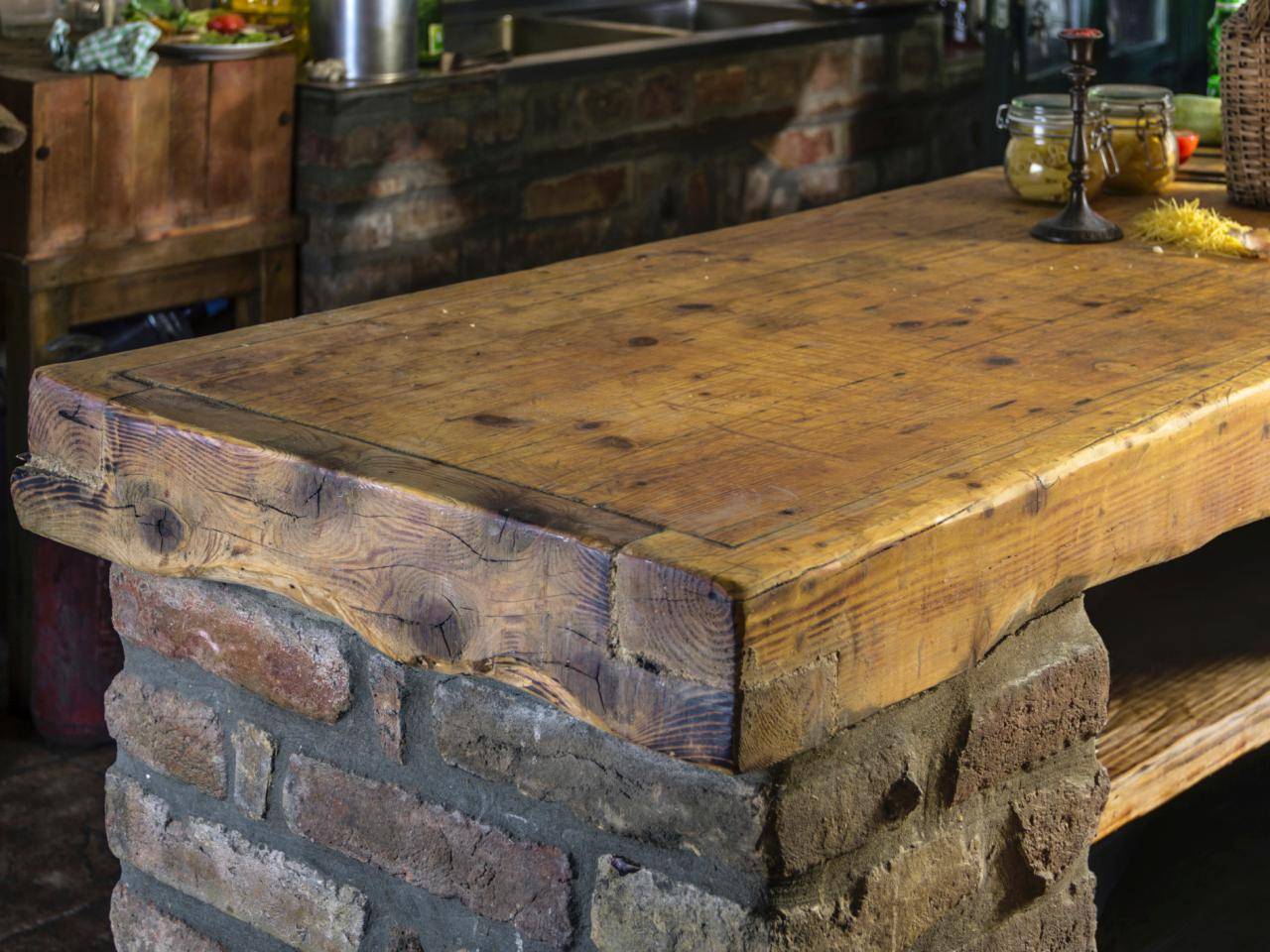
After five years with my rustic wood countertops, I can evaluate their long-term performance and the beautiful aging process that makes wood such a unique choice for kitchen surfaces. The patina development has exceeded my expectations, with the reclaimed chestnut developing rich amber tones and enhanced grain patterns that become more beautiful with age. Areas of heavier use show gentle wear patterns that add to rather than detract from the rustic character.
The structural performance has been excellent, with no warping, cracking, or separation despite daily kitchen use and exposure to normal moisture and temperature variations. Proper installation and maintenance have prevented the problems I’d worried about initially, proving that quality wood countertops can withstand kitchen demands when properly cared for. The ability to refresh and restore the surface means they continue looking beautiful even after years of family cooking and entertaining.
The investment has proven worthwhile both financially and aesthetically, with the countertops becoming more attractive over time rather than showing wear like manufactured materials. Friends and family consistently comment on their warmth and character, and I’ve found that cooking and entertaining feel more connected to natural materials. The aging process creates unique beauty that can’t be replicated, making each kitchen with rustic wood countertops truly one-of-a-kind.
How do rustic wood countertops hold up to daily kitchen use?
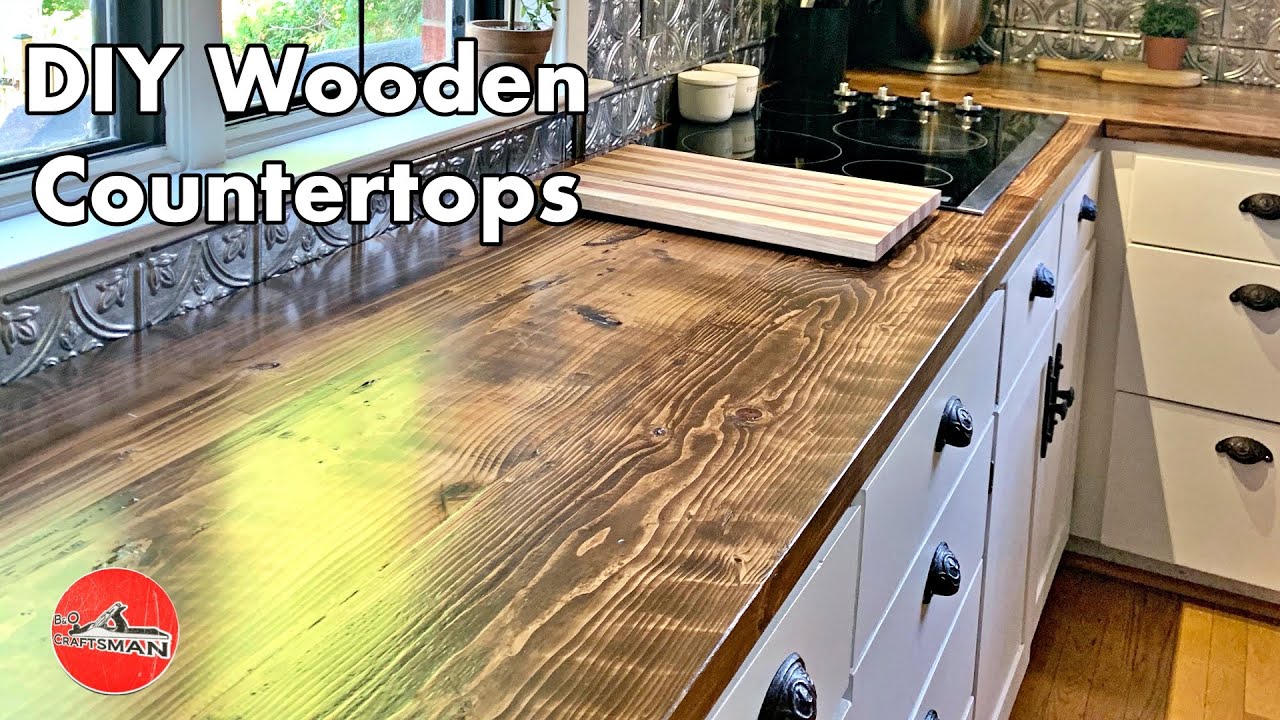
After 5 years of heavy use, mine have performed excellently with proper care. Daily maintenance includes immediate spill cleanup and gentle cleaning with mild soap. Monthly oiling keeps them protected. They show normal wear but age beautifully. The key is understanding they’re living materials that develop character over time rather than remaining static like manufactured surfaces.
What’s the total cost including installation and maintenance?
My reclaimed chestnut cost $65/sq ft installed, plus $15/sq ft for refinishing every 3-5 years. The initial investment was higher than laminate but comparable to granite. Long-term costs are reasonable since wood can be restored rather than replaced. Budget approximately $500-800 for professional refinishing, depending on kitchen size.
Can I install wood countertops myself to save money?
I strongly recommend professional installation for the best results and warranty protection. The mounting, finishing, and sealing require expertise and specialized equipment. DIY mistakes can be expensive to fix and may void warranties. However, I handle minor maintenance and touch-ups myself, which saves on ongoing costs while maintaining appearance.
How do I prevent water damage around the sink area?
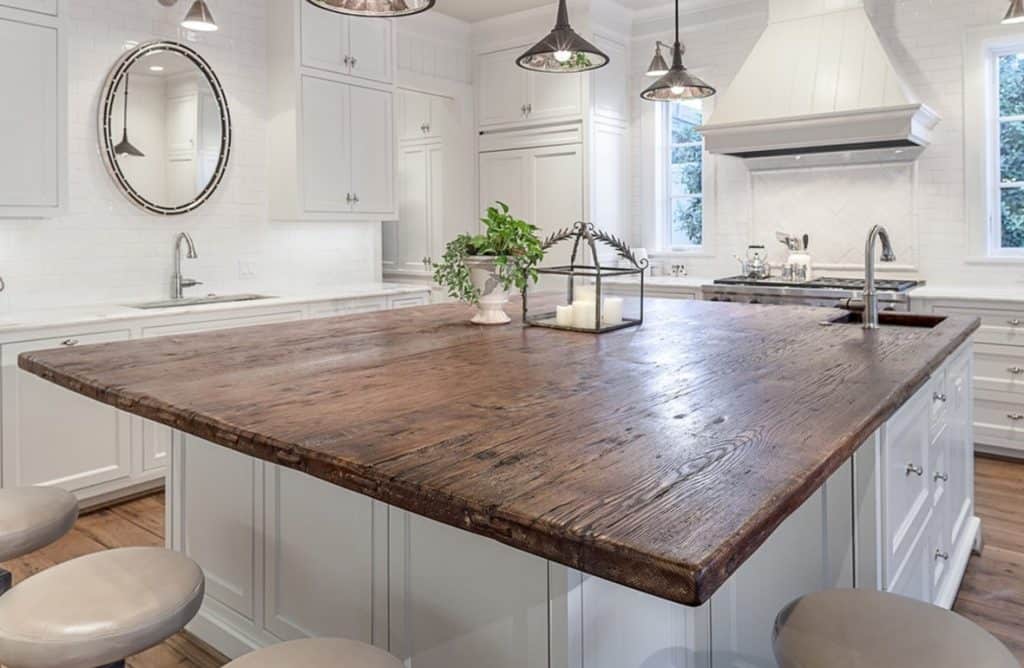
Excellent caulking is crucial, and I check seals regularly for any gaps or deterioration. I wipe up water immediately and use cutting boards near the sink. Applied extra coats of polyurethane in high-moisture areas during installation. Consider undermount sinks for better water management. Prompt attention to any finish wear prevents serious damage.
What happens if the countertops get seriously damaged?
Wood’s biggest advantage is repairability. Deep scratches, burns, or stains can often be sanded out and refinished. I’ve successfully repaired several issues myself with fine sandpaper and matching stain. Even serious damage rarely requires full replacement, just local repair and refinishing. This makes wood more forgiving than stone materials.
Do wood countertops harbor bacteria or food safety concerns?
Properly finished wood countertops are food-safe when maintained correctly. I use cutting boards for food prep and clean them immediately after use with mild soap. The polyurethane finish creates a protective barrier. Studies show wood actually has natural antibacterial properties. Regular maintenance and proper finishing address any safety concerns effectively.
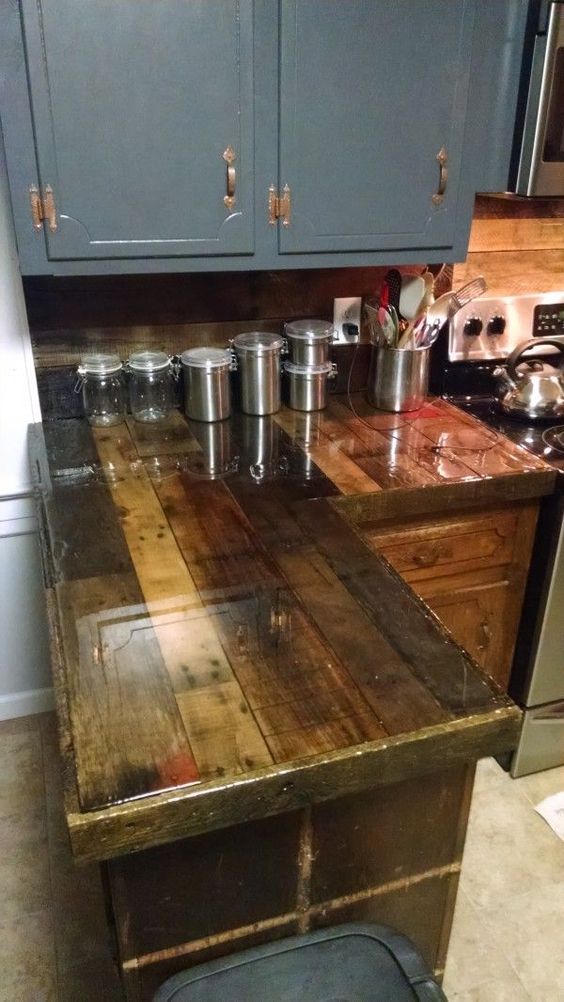
Wood Kitchen Countertops
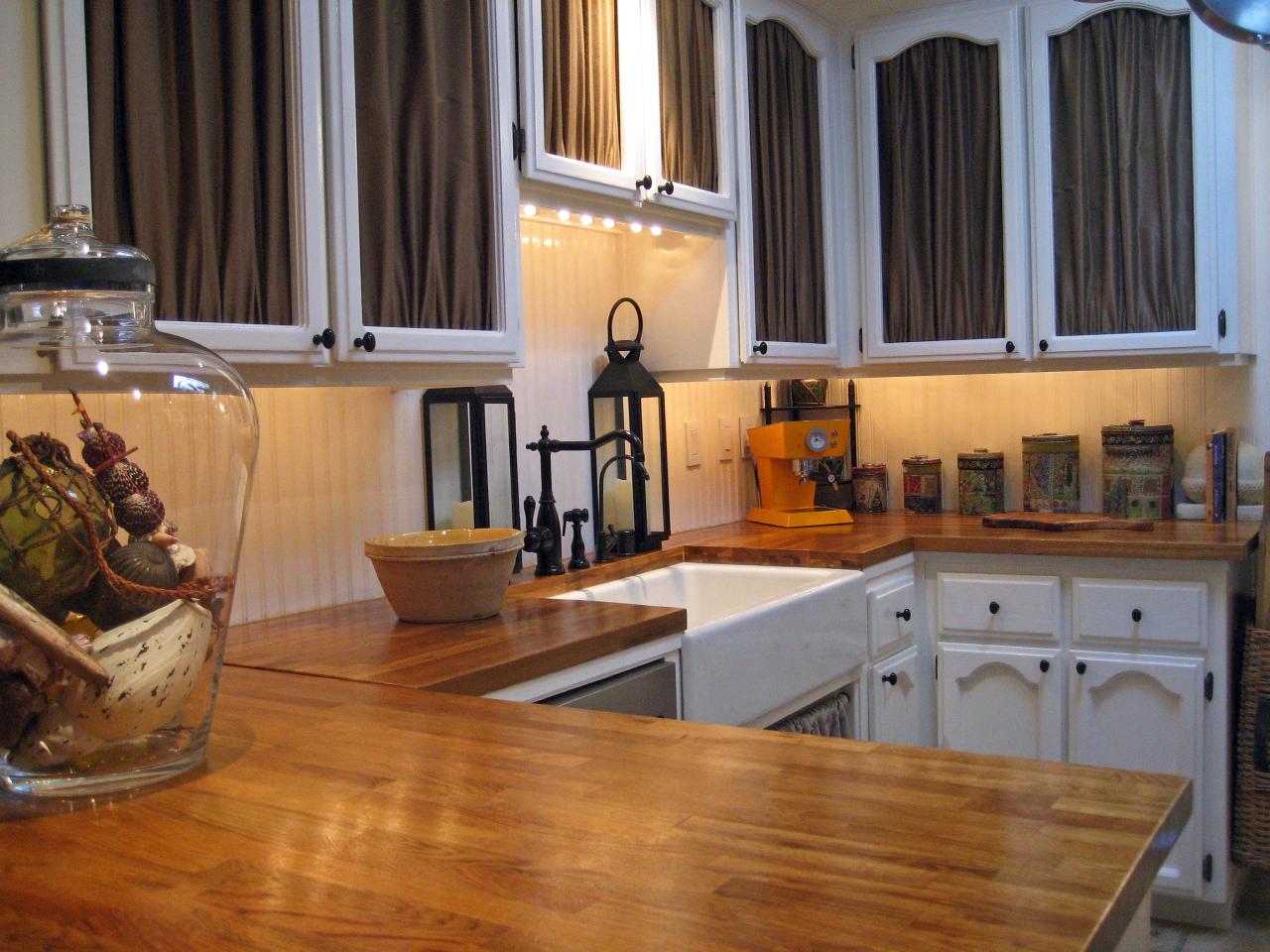
Related articles:
- Modern Kitchen Countertop Ideas
- Country Kitchen Countertops
- Retro Tile Kitchen Countertops
- Rustic Wood Kitchen Countertops
- Vintage Kitchen Countertop Ideas
- Subway Tile Kitchen Countertops
- Dark Grey Kitchen Countertops
- Kitchen Countertop Granite Tile
- Kitchen Countertop Design
- Durable Kitchen Countertops
