When I started planning my farmhouse kitchen renovation three years ago, granite countertops weren’t even on my radar. I thought they’d be too formal, too expensive, and completely wrong for the cozy, rustic aesthetic I was trying to achieve. But after visiting stone yards and seeing how beautifully certain granite patterns complemented farmhouse elements, I completely changed my mind. Now, living with these counters daily, I can honestly say they’ve exceeded every expectation and perfectly balance durability with that authentic farmhouse charm I was seeking.
Finding the Perfect Granite Pattern for Farmhouse Style
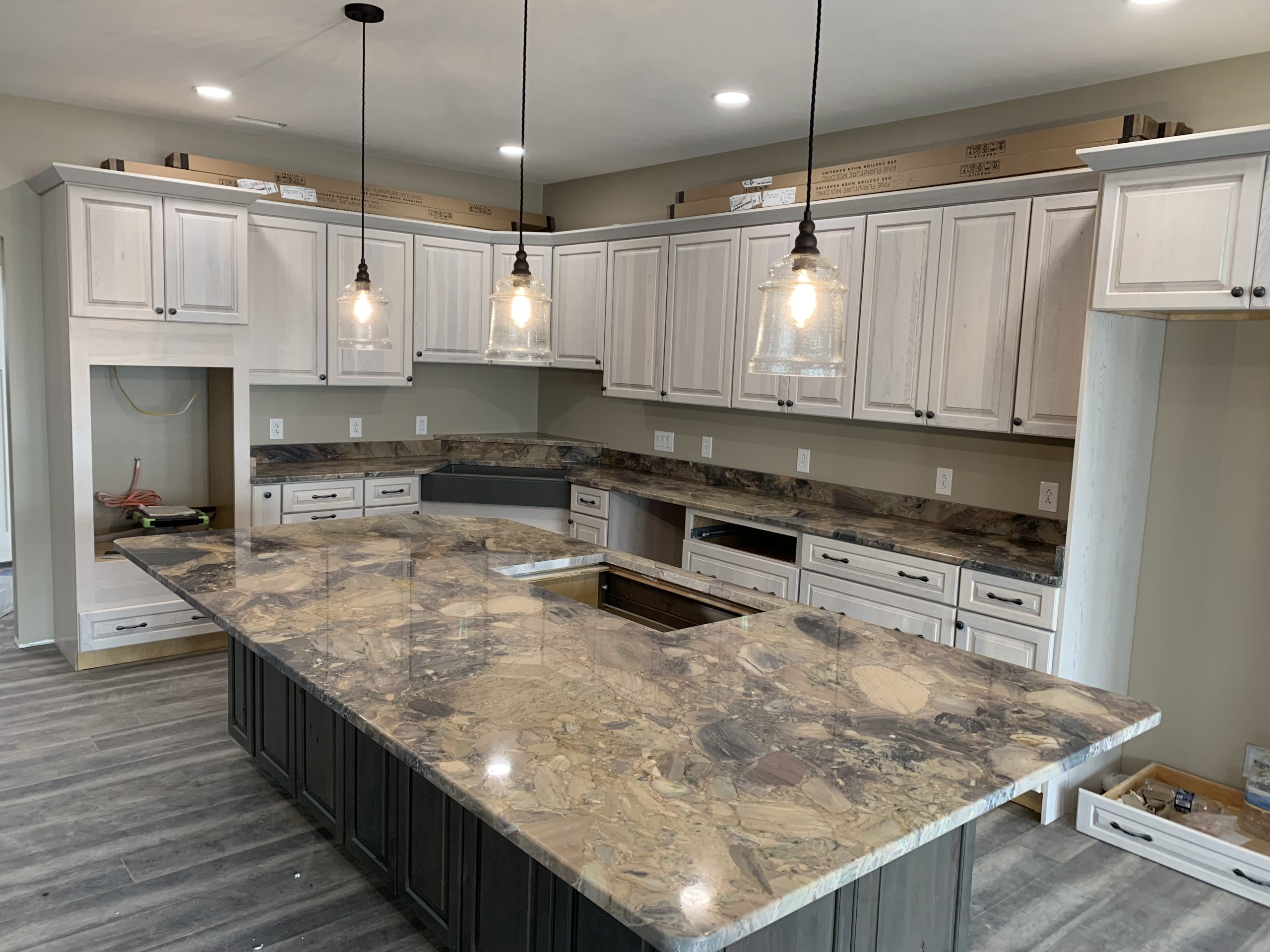
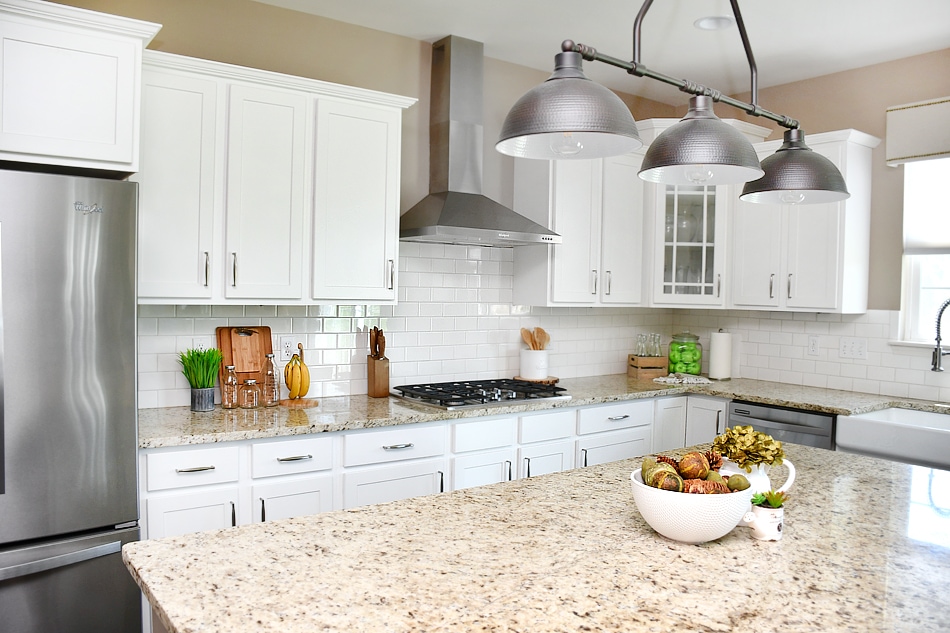
I quickly discovered that not all granite works with farmhouse design, and choosing the right pattern became crucial to achieving the look I wanted. After visiting six different stone yards, I learned that granite with subtle veining and neutral tones creates the perfect foundation for farmhouse kitchens. I ultimately chose a cream-colored granite with soft gray veining that mimics the natural wear patterns found in old farmhouse workspaces.
The key insight I gained was that farmhouse granite should feel organic and understated rather than dramatic or busy. I avoided the bold, swirling patterns that dominated showrooms and focused on slabs that looked like they could have been quarried from local stone. The granite I selected has tiny flecks of brown and gold that catch morning sunlight beautifully, creating warmth that complements our wooden cabinets and vintage hardware.
What surprised me most was how much the granite’s finish affected its compatibility with farmhouse design. I chose a honed finish instead of the standard polished surface, which gives the stone a softer, more matte appearance that feels authentic to traditional farmhouse materials. This finish also hides fingerprints and water spots better than polished granite, making it more practical for our busy family kitchen, where functionality matters as much as appearance.
Balancing Cost with Quality and Aesthetics
The cost of granite definitely required careful budget planning, but I found ways to make it work without compromising on the quality I wanted for our forever home. I learned that granite pricing varies dramatically based on rarity, origin, and thickness, so I focused on locally available stones that still met my aesthetic requirements. This approach saved us about 40% compared to exotic imports while still achieving the farmhouse look I envisioned.
Shopping during promotional periods made a significant difference in our final costs. I timed our purchase during the stone yard’s winter sale, reducing the price per square foot from $85 to $62. The installation was included, but I negotiated additional services like sink cutouts and edge polishing at no extra charge. These small savings added up to nearly $1,200 in total project cost reduction.
I also discovered that choosing simpler edge profiles kept costs down while maintaining farmhouse authenticity. Instead of elaborate bullnose or ogee edges, I selected a straight edge with a slightly eased corner that looks clean and traditional. This choice saved $15 per linear foot and actually looks more appropriate for farmhouse design than fancier profiles that can appear too formal or ornate for the rustic aesthetic we were creating.
Installation Challenges and Solutions
The installation process taught me several lessons about working with granite in farmhouse kitchens. Our 200-year-old house presented unique challenges, including uneven walls and floors that required careful templating and adjustment. The installers spent extra time ensuring the granite would sit level and properly support our heavy farmhouse sink, which required additional reinforcement underneath the cabinet structure.
Timing the installation around other renovation work proved crucial for avoiding damage and delays. We coordinated with our plumber to ensure the sink was ready for installation immediately after the granite went in, preventing any gaps in our renovation schedule. I also learned to protect the new granite from other trades working in the space, covering it with plywood and padding during the final weeks of construction.
The most challenging aspect was integrating the granite with our existing farmhouse elements. The installers had to work around our custom range hood and accommodate the uneven spacing created by our reclaimed wood shelving. Their expertise in problem-solving these vintage house quirks made the difference between a professional installation and a disaster. I’m grateful we chose experienced installers rather than trying to save money with less qualified contractors.

Daily Maintenance and Care Routines
Living with granite countertops for three years has taught me that proper maintenance is simpler than I initially feared. My daily routine involves wiping down the surface with warm water and mild dish soap, which keeps the honed granite looking beautiful without any special products. I avoid acidic cleaners like vinegar or lemon, which can etch the surface over time, something I learned after accidentally damaging a small spot during my first month.
The annual sealing process initially intimidated me, but I’ve found it’s actually quite straightforward and takes less than two hours to complete. I use a high-quality granite sealer and apply it with a microfiber cloth, working in small sections to ensure even coverage. The sealer protects against stains and makes daily cleaning even easier, something I particularly appreciate given our family’s tendency toward messy cooking projects.
Dealing with minor chips and scratches has been surprisingly manageable. Small chips can be filled with granite repair compound that matches our stone’s color perfectly. For deeper scratches, I’ve learned to call in professionals, but these incidents are rare when you treat the granite with reasonable care. The natural variations in our granite pattern help camouflage minor imperfections, making it more forgiving than I expected for a busy family kitchen.

Integrating Granite with Farmhouse Design Elements
I was initially worried that granite might look too sophisticated for our farmhouse kitchen, but the right combination of materials created exactly the balance I wanted. The cream and gray tones in our granite complement our white shiplap walls and dark wooden beams beautifully. The natural stone adds substance and durability that perfectly suits the honest, functional aesthetic that defines true farmhouse design.
The granite provides an excellent backdrop for displaying our collection of vintage kitchen accessories and seasonal decorations. Mason jars filled with fresh herbs look stunning against the neutral stone, and our copper accents create a beautiful contrast with the granite’s subtle veining. I’ve found that the granite actually enhances other farmhouse elements rather than competing with them for attention.
One unexpected benefit has been how well the granite handles our frequent entertaining and large family gatherings. The surface provides ample workspace for holiday baking and meal preparation, while the timeless appearance photographs beautifully for family memories. The granite feels substantial and permanent in a way that reflects our commitment to this home and the farmhouse lifestyle we’ve embraced over the past several years.

Long-Term Value and Performance
After three years of daily use, our granite countertops continue to perform exceptionally well and show minimal wear despite constant use by our family of five. The investment has proven worthwhile not just for daily functionality but also for the value it adds to our home. Recent comparable sales in our area suggest that quality granite countertops add significant value, particularly when integrated thoughtfully into farmhouse-style renovations.
The durability has exceeded my expectations, especially considering how hard we use our kitchen space. Hot pots from the stove, heavy cast-iron cookware, and even my teenager’s science projects haven’t damaged the surface. The granite’s heat resistance gives me confidence that I never had with previous laminate counters, and this peace of mind has enhanced my enjoyment of cooking and baking.
Looking ahead, I expect these countertops to last decades with proper care, making them an excellent long-term investment. The timeless appearance means they won’t look dated in future years, and the classic farmhouse aesthetic ensures they’ll complement whatever decorative changes we might make. The granite has become an integral part of our kitchen’s character, and I can’t imagine replacing it with anything else.

Which granite colors work best with farmhouse kitchen design?
I found that neutral colors with subtle veining work perfectly. Our cream granite with gray veining complements both warm and cool farmhouse elements beautifully. Avoid dramatic patterns or bold colors that compete with rustic design elements. Earth tones like beige, cream, soft gray, and muted browns create the most authentic farmhouse look while providing timeless appeal.
Is granite practical for families with young children in farmhouse kitchens?
Absolutely! Our granite handles everything my three kids throw at it, literally and figuratively. It’s naturally antibacterial when sealed properly, heat-resistant for craft projects, and durable enough for homework sessions. The honed finish I chose hides fingerprints better than polished granite, making it perfect for busy families who want beauty and practicality combined.

How much should I budget for granite countertops in a farmhouse kitchen?
I spent about $62 per square foot, including installation during a sale period. Budget $60-120 per square foot, depending on the granite you choose and your location. Don’t forget additional costs like sink cutouts, edge work, and potential cabinet reinforcement. Shop during slower seasons for better pricing, and consider locally available stones to reduce costs.
Should I choose polished or honed granite for a farmhouse kitchen?
I strongly recommend honed granite for farmhouse kitchens. The matte finish looks more authentic and traditional than shiny polished granite, which can appear too formal for rustic design. Honed granite also hides water spots and fingerprints better, requires the same sealing schedule, and feels more natural under your hands when cooking and baking.

How difficult is it to maintain granite countertops daily?
Much easier than I expected! Daily cleaning requires only warm water and mild soap. I seal them annually, which takes about two hours and costs $30 in materials. Avoid acidic cleaners, use cutting boards, and wipe spills promptly. After three years, maintenance has become routine and takes less time than caring for the laminate counters I had previously.
Can granite countertops work with farmhouse sinks and vintage fixtures?
They work beautifully together! Our granite perfectly complements our white farmhouse sink, and the neutral stone works with both our vintage brass faucet and modern stainless steel appliances. The key is choosing granite with subtle patterns that won’t compete with your sink’s design. The natural material pairing feels authentic to traditional farmhouse kitchens.

Related articles:
- Vintage Granite Countertops
- Country Granite Countertops
- Antique Granite Countertops
- Farmhouse Granite Countertops
- White Granite Countertops Ideas
- Granite Countertops Cost
- Chipped Granite Countertop Repair
- White Granite Countertops
- Granite Countertop Overlay
- Stains On Granite Countertops
