When I decided to renovate my kitchen two years ago, granite countertops were at the top of my wish list. I’d admired them in countless homes and magazines, but I had no idea what I was getting into cost-wise. What started as a simple “let’s get some granite” conversation turned into months of research, price shopping, and budget adjustments. Looking back, I wish someone had given me the real scoop on granite costs, not just the glossy brochure version. Now that I’ve lived with my beautiful granite counters for over a year, I want to share what I spent and all the hidden costs I never saw coming.
Breaking Down the Real Cost Per Square Foot
When I first started shopping for granite, I kept seeing those “$40-60 per square foot” estimates online, and I naively thought that would be my total cost. Boy, was I wrong. That price only covers the granite slab itself, not fabrication, installation, or any of the extras that make a functional countertop. I quickly learned that the actual installed price ranges from $60-150 per square foot, depending on the granite quality and complexity of your project.
My kitchen required about 45 square feet of granite, and I chose a mid-grade stone that cost $55 per square foot for the raw material. However, once I added fabrication ($15 per square foot), edge treatments ($8 per linear foot), sink cutout ($150), and installation ($20 per square foot), my “affordable” granite suddenly cost $95 per square foot. The total came to $4,275, which was nearly double my initial budget estimate based on those misleading online prices.
I learned that granite pricing depends heavily on the stone’s rarity, thickness, and origin. Exotic stones from Brazil or Italy cost significantly more than domestic options. The thickness also matters, with 3cm slabs costing about 20% more than 2cm versions, but I’m glad I went with the thicker option for durability. Color and pattern complexity affect pricing, too, with unique veining patterns commanding premium prices.
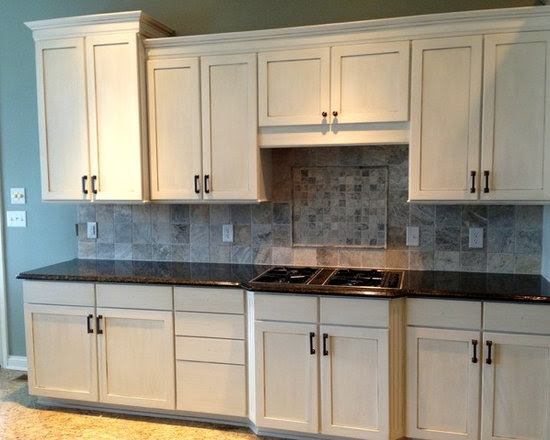
Hidden Costs That Caught Me Off Guard
The biggest shock came when I discovered all the “extras” that weren’t included in the base price. Cabinet reinforcement was my first surprise cost, $400 to strengthen my cabinets to support the granite’s weight. My contractor explained that most cabinets aren’t designed for granite’s 20 pounds per square foot, especially around overhangs and islands. This reinforcement was essential but never mentioned in the initial quotes.
Template creation added another $200 to my bill, something I’d never heard of before. The fabricator needed to create precise cardboard templates of my countertops before cutting the granite, ensuring perfect fits around appliances and fixtures. While some companies include this cost in their quotes, mine charged it separately. I also paid $75 for sealing, which protects the granite from stains and needs to be done professionally for warranty purposes.
Delivery and installation logistics created additional expenses I hadn’t anticipated. My granite required two delivery trips because of access limitations in my neighborhood, adding $150 in extra delivery fees. The installation team also needed to disconnect and reconnect my plumbing and electrical connections, which cost another $300. These seemingly small charges quickly added up, pushing my project cost well beyond my original budget.

Quality Grades and How They Affect Your Budget
Understanding granite quality grades would have saved me hours of confusion during the selection process. I learned that granite is typically classified into three main grades: commercial (builder grade), premium, and exotic. Commercial-grade granite, which I initially considered, costs $40-50 per square foot but often has more visible flaws, less consistent patterns, and thinner slabs that might not age as well.
Premium grade granite, which I ultimately chose, runs $50-70 per square foot and offers better consistency, fewer natural flaws, and more attractive patterns. The difference in quality was noticeable when I compared samples side by side. The premium granite had richer colors, more interesting veining, and felt more substantial. For a kitchen that sees daily use, I felt the extra investment was worthwhile for long-term satisfaction.
Exotic granite starts around $70 per square foot and can exceed $150 for rare stones with unique characteristics. While beautiful, these options pushed beyond my budget constraints. However, I discovered that some “exotic” looking stones are premium grade, so working with a knowledgeable supplier helped me find stunning options without the exotic price tag. The key is understanding what you’re paying for and choosing quality that matches your needs and budget.

Fabrication and Installation: Where Costs Add Up
The fabrication process was more complex than I’d imagined, involving specialized equipment and skilled craftspeople who justify the additional costs. My fabricator explained that each granite slab must be carefully measured, cut, and polished using diamond-tipped tools. Edge treatments alone took several hours, with my chosen ogee edge requiring multiple passes to achieve the smooth, finished appearance I wanted.
Installation proved equally complex and labor-intensive. The installers arrived with specialized lifting equipment, as my kitchen island piece weighed over 300 pounds. Watching them maneuver these massive slabs around my kitchen made me grateful I hadn’t attempted a DIY approach. They spent considerable time ensuring perfect alignment and level installation, work that requires years of experience to do correctly.
Template creation, which I mentioned earlier, turned out to be crucial for avoiding costly mistakes. My fabricator created detailed cardboard templates that accounted for every appliance, fixture, and angle in my kitchen. This precision prevented expensive errors during cutting and ensured everything fit perfectly on installation day. While it added to the overall cost, it eliminated the risk of much more expensive problems later.

Comparing Granite Costs to Other Countertop Materials
Before committing to granite, I researched alternatives to ensure I was making the right choice for my budget and needs. Quartz countertops, which I seriously considered, cost about the same as mid-grade granite but offer more consistency and require no sealing. However, I preferred granite’s natural variations and the fact that each slab is unique.
Laminate countertops would have saved me thousands, costing only $15-30 per square foot installed. While modern laminates look much better than older versions, they lack granite’s durability and prestige. For a kitchen where I plan to stay long-term, the higher upfront cost of granite seemed justified by its longevity and impact on home value.
Butcher block countertops offered a middle ground at $40-60 per square foot, but required more maintenance than I wanted to commit to. Concrete countertops cost similarly to granite but don’t offer the same visual appeal or proven durability. After weighing all options, granite provided the best combination of beauty, durability, and long-term value for my specific situation and budget.

Money-Saving Strategies I Discovered Along the Way
One of my biggest cost-saving discoveries was shopping at granite wholesalers rather than retail showrooms. I found the same quality granite for 20-30% less by going directly to suppliers who primarily serve contractors. While the selection process required more effort, the savings were substantial. Many wholesalers will work with homeowners, especially if you’re flexible about timing and willing to choose from available inventory.
Timing my purchase strategically also resulted in significant savings. I learned that granite suppliers often have seasonal sales, particularly in late fall and winter when construction activity slows. I saved about $800 by waiting for a year-end clearance sale, though this required patience and flexibility with my renovation timeline. Some suppliers also offer discounts for cash payments, which saved me another 3% on my total cost.
Choosing a simpler edge treatment reduced my costs without significantly impacting the final appearance. I originally wanted a complex edge profile that would have cost $15 per linear foot, but switched to a standard bullnose edge at $8 per linear foot. The simpler edge looks cleaner and more timeless in my kitchen. I also saved money by grouping my project with neighbors who were also renovating, allowing us to share delivery costs and get volume discounts.

How much should I realistically budget for granite countertops in an average kitchen?
Based on my experience, budget $80-120 per square foot for everything included. For a typical 40-50 square foot kitchen, expect to spend $3,200-6,000 total. This covers mid-grade granite with standard edges, fabrication, and installation. Don’t forget to add 10-15% contingency for unexpected costs like cabinet reinforcement or plumbing adjustments that often come up during installation.
Are there ways to get granite countertops for less without sacrificing quality?
Absolutely! Shop wholesale suppliers, choose from available inventory rather than special ordering, and time your purchase for seasonal sales. I saved over $1,000 by being flexible. Also consider granite remnants for smaller projects like bathroom vanities. Simplifying edge treatments and choosing 2cm thickness instead of 3cm can reduce costs while still getting beautiful, durable counters.

What ongoing costs should I expect with granite countertops?
Granite requires annual sealing, which costs about $150-200 if professionally done, or $30-50 for DIY with quality sealers. I reseal mine annually to maintain stain resistance. Other than that, granite is remarkably low-maintenance. Occasional professional deep cleaning might run $100-150, but regular cleaning with mild soap and water handles daily maintenance without ongoing costs.
How do granite costs compare to quartz, and is the price difference worth it?
Granite and quartz cost about the same, $60-100 per square foot installed. Quartz offers consistency and no sealing requirements, while granite provides unique natural patterns and potentially better resale value. I chose granite for its character and authenticity. The “worth it” factor depends on your priorities; both materials are excellent choices with similar long-term costs and durability.

Should I hire separate contractors or use the granite supplier’s installation team?
I recommend using the supplier’s installation team if they offer it. They understand their product best and often provide better warranties. My supplier’s team cost the same as independent contractors, but knew exactly how to handle their granite. They also coordinated all aspect,s including template creation, fabrication, and installation. If problems arise, you have one point of contact rather than finger-pointing between contractors.
How long does the entire granite countertop process take from ordering to installation?
My project took 3 weeks from template creation to final installation. Template creation happened first, then 10-14 days for fabrication, followed by installation scheduling. However, popular granite colors might have longer lead times, especially if special ordering is required. Plan for 4-6 weeks during busy seasons. The actual installation took one full day for my 45 square foot kitchen, including final cleanup and sealing.

Related articles:
- Vintage Granite Countertops
- Country Granite Countertops
- Antique Granite Countertops
- Farmhouse Granite Countertops
- White Granite Countertops Ideas
- Granite Countertops Cost
- Chipped Granite Countertop Repair
- White Granite Countertops
- Granite Countertop Overlay
- Stains On Granite Countertops
