When I bought my 1960s ranch house two years ago, I discovered the original boomerang-patterned laminate countertops hiding beneath a later renovation. That moment sparked an obsession with vintage laminate that completely changed my kitchen plans. Instead of ripping everything out for granite or quartz, I started researching how to either restore those beauties or find authentic reproductions. What I’ve learned is that vintage laminate countertops offer a unique blend of nostalgic charm, surprising durability, and budget-friendly practicality that deserves a second look in today’s kitchens.
Understanding the Appeal of Mid-Century Laminate Patterns
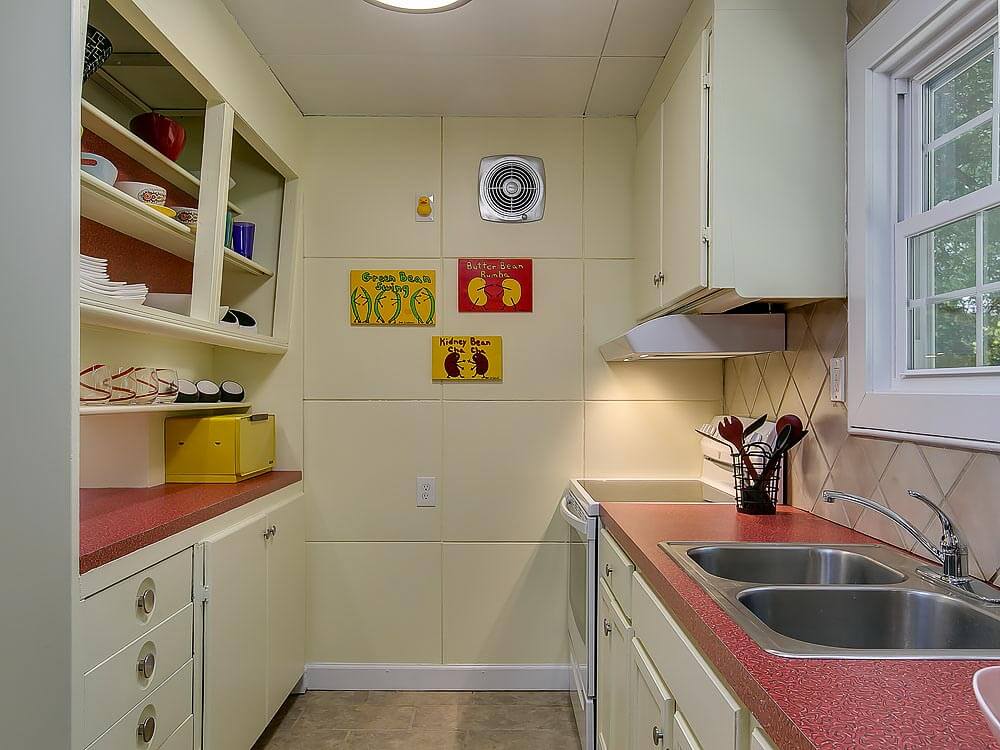
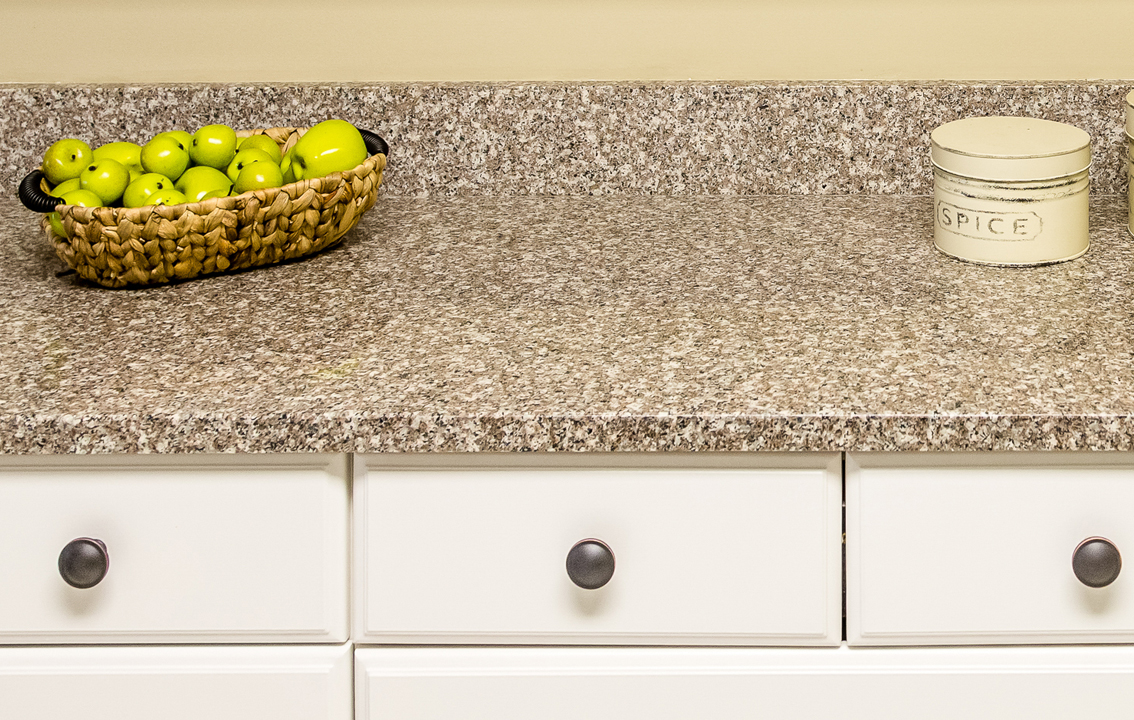
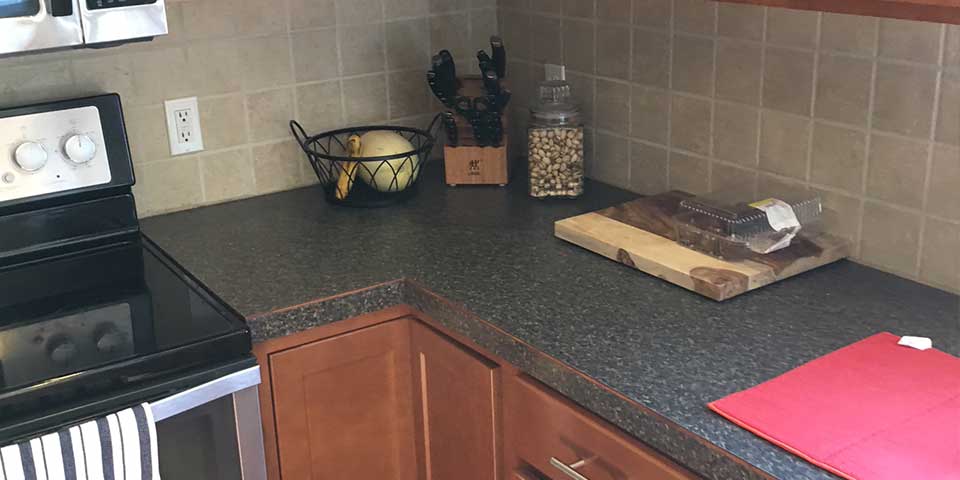
The patterns available in vintage laminate are unlike anything you’ll find in modern countertop materials. I fell hard for the atomic-era designs featuring starbursts, boomerangs, and abstract shapes in turquoise, pink, and yellow. These weren’t trying to mimic stone or wood; they celebrated being synthetic materials with bold, unapologetic designs. My kitchen now features a reproduction of a 1950s pattern called “Skylark” with gray and white speckles that perfectly capture that retro diner aesthetic.
What surprised me most was discovering how these patterns actually solve practical problems. The busy, speckled designs hide minor scratches, stains, and wear far better than solid-colored countertops. After eighteen months of daily use, my vintage-style laminate still looks nearly new because the pattern disguises the inevitable signs of life in a working kitchen. Compare that to my sister’s solid white quartz that shows every water spot and crumb.
The color palettes of vintage laminate also bring something special to a space. Those soft pastels, bold primary colors, and unexpected combinations like pink and gray or turquoise and copper create visual interest without overwhelming the room. I paired my gray speckled countertops with mint green cabinets and chrome hardware, and the whole kitchen feels like stepping back to a simpler, more optimistic time. Modern countertops tend toward neutral beiges and grays that feel safe but lack personality.
Sourcing Authentic Vintage Laminate
Finding original vintage laminate countertops became my weekend treasure hunt for several months. I scoured architectural salvage yards, estate sales, and online marketplaces for pieces in good condition. The challenge is that laminate from the 1950s and 60s often shows their age with delamination, burns, or deep scratches. I found a gorgeous pink-speckled section at a demolition sale, but the edges were too damaged to salvage for my space.
Reproduction vintage laminate patterns have become more available as retro style gains popularity. Companies like Wilsonart and Formica have reissued some of their classic patterns from decades past. I ultimately went with a modern reproduction because I wanted the vintage look with contemporary manufacturing quality. The new versions use better adhesives and more durable surface layers while maintaining those iconic designs. Installation was straightforward since the material works exactly like current laminate products.
Online communities and specialty retailers focusing on mid-century modern design can be goldmines for finding both original and reproduction options. I joined several Facebook groups dedicated to vintage home restoration, where members share sources and even sell salvaged pieces. Some small manufacturers now specialize in creating custom laminate patterns based on vintage designs, though these custom options cost significantly more than standard reproductions. The hunt itself became part of the fun for me.
Installation Techniques for Vintage-Style Laminate
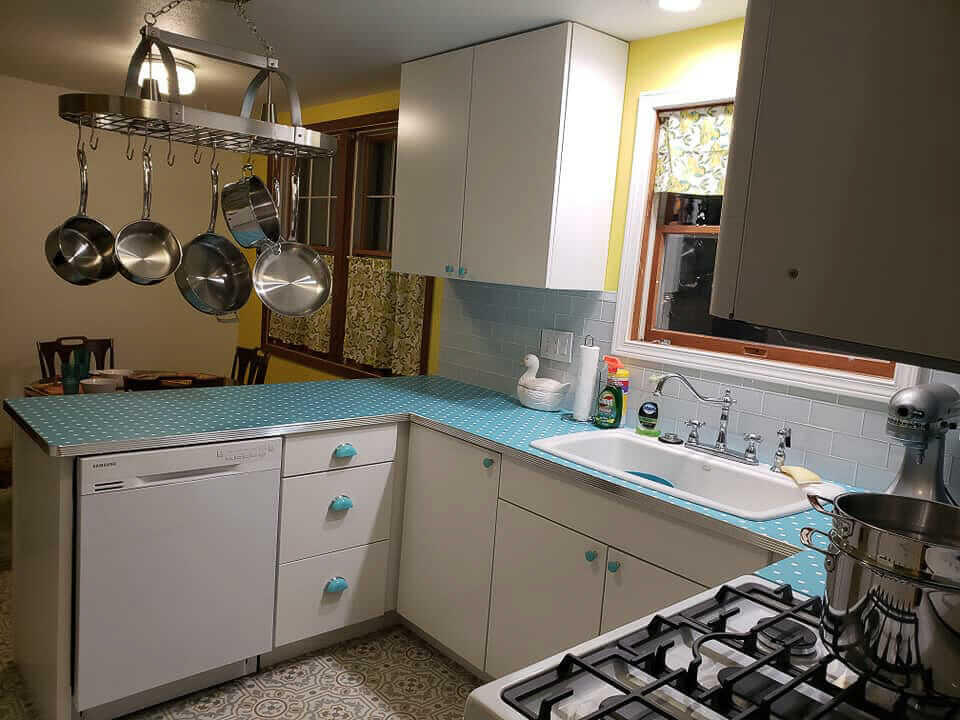
I decided to hire a professional for my laminate installation after watching several tutorial videos and realizing the precision required. Laminate sheets need to be carefully cut, adhered with contact cement, and trimmed with a router for clean edges. My installer had worked with laminate for thirty years and shared that vintage patterns are actually more forgiving than solid colors because slight imperfections disappear into the busy designs.
The key to successful laminate installation is proper substrate preparation. My countertops were built using three-quarter-inch plywood with a smooth, level surface. Any bumps or valleys would telegraph through the laminate, creating visible imperfections. We also needed to account for backsplash height and ensure the laminate wrapped around the front edge with a smooth, professional finish. The entire process for my galley kitchen took about six hours.
One aspect I hadn’t considered was edge treatment options. Vintage countertops often featured metal edging in chrome or aluminum that added both protection and style. I chose a rolled edge profile that curves gently from the countertop down to the cabinet face, which was common in the 1950s. This edge style prevents water from seeping underneath and gives a softer, more finished appearance than the sharp square edges popular today. Some people prefer the metal edge strips for an even more authentic vintage look.

Maintaining and Caring for Laminate Surfaces
Living with laminate countertops has been far easier than I expected. Daily cleaning involves nothing more than wiping down surfaces with a damp cloth and mild dish soap. The laminate surface doesn’t require sealing like natural stone, and it resists most household stains without special treatment. I clean up spills reasonably quickly, but I’ve left coffee rings sitting for hours without any lasting marks on the busy pattern.
The limitations of the laminate became apparent within the first few weeks of use. Hot pots and pans can scorch or melt the surface, so I’m religious about using trivets and hot pads. I learned this lesson when I absentmindedly set down a hot cast-iron skillet and left a faint brown mark. Sharp knives can also cut into laminate, so I always use cutting boards rather than chopping directly on the counter. These aren’t major inconveniences, just habits to develop.
For deeper cleaning and restoration, I’ve found that a paste of baking soda and water removes stubborn marks without scratching the surface. Avoid abrasive cleaners and scrub pads that can dull the finish over time. Some people use automotive polish on older laminate to restore shine, though I haven’t needed this yet. The biggest maintenance advantage of vintage patterns is that they naturally hide the gradual wear that shows up as dulling on solid-colored surfaces.
Pairing Vintage Laminate with Modern Kitchen Elements
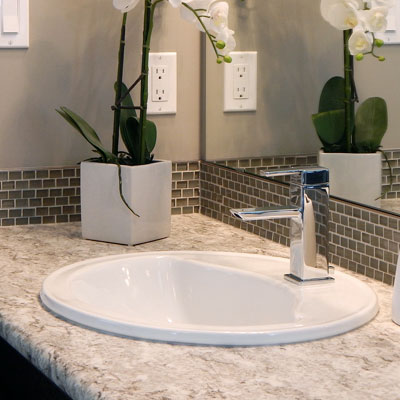
Mixing vintage countertops with contemporary elements took some thoughtful planning. I wanted the retro charm without making my kitchen feel like a museum piece or theme park. The key was balancing authentic vintage touches with modern functionality and clean lines. My stainless steel appliances actually complement the chrome accents in my kitchen beautifully, creating a bridge between eras that feels intentional rather than confused.
Cabinet choices matter enormously when working with bold vintage patterns. I refinished my original wood cabinets in a soft mint green that picks up one of the accent colors in my speckled countertops. The simple shaker-style doors keep things from getting too busy, letting the countertops be the star without overwhelming the space. Some of my friends have paired vintage laminate with natural wood cabinets for a warmer, more organic feel that still celebrates the retro countertops.
Lighting and hardware are where you can really tie the vintage aesthetic together. I installed period-appropriate pendant lights with copper shades above my peninsula and chose chrome cabinet pulls that reference 1950s design without being costume-y. Open shelving displays my collection of vintage Pyrex and Fire-King dishes, reinforcing the era without overdoing it. The goal is to create a cohesive space that feels collected and personal rather than perfectly matched or rigidly themed.

Cost Comparison and Long-Term Value
One of the biggest advantages of choosing laminate countertops is the significant cost savings compared to natural stone or engineered surfaces. I paid about $800 for materials and professional installation of laminate countertops for my entire kitchen, including the special vintage pattern. Compare that to the $4,000 to $6,000 quotes I received for granite or quartz in the same space. That difference allowed me to invest in other aspects of my kitchen renovation.
The longevity of laminate depends heavily on how you care for it and the quality of the installation. Original laminate countertops from the 1950s and 60s are still functioning in homes today, proving the material can last decades with proper maintenance. My installer told me to expect 20 to 30 years from quality laminate with normal residential use. That timeline works perfectly for me, as I’ll probably want to update the kitchen again in 15 or 20 years anyway.
Resale value is the one area where laminate might not compete with high-end materials. Real estate agents often suggest granite or quartz as better investments for home value. However, I’ve noticed that vintage and retro styles have a strong appeal with certain buyers, particularly younger homeowners seeking character and uniqueness. My neighbor’s mid-century modern home sold quickly, with multiple offers specifically mentioning the preserved original features, including vintage laminate countertops. The right buyer will appreciate what you’ve created.
Where can I find authentic vintage laminate patterns today?
I found reproduction patterns through major laminate manufacturers like Formica and Wilsonart, who’ve reissued classic designs from their archives. Check specialty retailers focusing on mid-century modern supplies and online marketplaces. Architectural salvage yards sometimes have original pieces, though the condition varies. Several small companies now create custom patterns based on vintage designs if you have a specific look in mind and a bigger budget for truly unique countertops.
How durable is vintage laminate compared to modern countertop materials?
Laminate is surprisingly durable for everyday kitchen use. Mine has held up beautifully to normal wear, spills, and cleaning over eighteen months. It’s not as heat-resistant as stone or as scratch-proof as quartz, but the busy vintage patterns hide minor imperfections remarkably well. Proper care means using cutting boards and trivets consistently. Modern reproductions use better adhesives and surface layers than original vintage pieces, giving you retro style with improved durability.
Can I install vintage-style laminate countertops myself?
DIY installation is possible if you’re experienced with woodworking and have the right tools, including a router and laminate roller. I hired a professional because the precision required for clean seams and edges seemed beyond my skill level. Contact cement doesn’t allow repositioning once pieces touch, making mistakes costly. If you’re confident with tools and patient with detail work, there are good tutorials available. Otherwise, professional installation costs $200 to $400 for labor on an average kitchen.
Do vintage laminate countertops work in contemporary kitchen designs?
Absolutely! The key is thoughtful integration rather than creating a theme park. I’ve seen vintage laminate paired beautifully with minimalist white cabinets, stainless steel appliances, and modern lighting for an eclectic look. The bold patterns add personality to otherwise neutral spaces. Choose one or two other vintage elements like lighting or hardware, but keep most design choices clean and contemporary. This mixing of eras creates visual interest without feeling dated or overly retro.

What’s the best way to repair damaged vintage laminate?
Minor scratches and burns can be filled with laminate repair paste matched to your pattern’s colors. I’ve had success using these repair products on small imperfections. Larger damage, like lifting edges or deep gouges, is harder to fix invisibly. Contact cement can reattach lifting corners if caught early. For significant damage, replacement is often the only real solution. Prevention through careful use matters more with laminate than with materials like granite that tolerate more abuse.
Are there any health or environmental concerns with old laminate?
Original vintage laminate may contain materials no longer considered safe by current standards. Modern reproductions meet contemporary safety regulations and don’t pose health risks. If you’re salvaging original pieces, have them tested if you’re concerned. From an environmental perspective, laminate has a smaller carbon footprint than quarried stone. It’s not biodegradable, but quality laminate that lasts decades reduces waste compared to trendy materials replaced frequently. Choose reproductions over originals if environmental and health factors concern you.

CABINETS GRAND RAPIDS MI – kitchen cabinets grand rapids mi
Related articles:
- Custom Laminate Countertops
- Vintage Laminate Countertops
- Laminate Countertops Makeover
- Refinish Laminate Countertops
- Cutting Laminate Countertops
- Retro Laminate Countertops
- Laminate Countertops For Bathroom
- Black Marble Laminate Countertop
- Painting Kitchen Laminate Countertops
- Quartz Laminate Countertops
