When I moved into my house, the outdated laminate countertops with their worn edges and stubborn stains made my kitchen feel stuck in the past. Replacing them with granite or quartz would have cost thousands I didn’t have, so I started researching budget-friendly makeover options. What I discovered completely changed my perspective on laminate countertops. With the right techniques and materials, I transformed my drab, dated countertops into surfaces I’m genuinely proud to show off, all for a fraction of replacement costs. The process taught me that you don’t need unlimited funds to have a beautiful kitchen; you just need patience, creativity, and willingness to put in some effort. Let me walk you through the various makeover methods I explored and the one that worked perfectly for my situation.
Painting Laminate Countertops for a Fresh Look
Painting seemed like the most straightforward makeover option, and I tested it on my laundry room countertop before committing to the kitchen. The key to success was thorough surface preparation; I couldn’t just slap paint on and hope it stuck. I started by cleaning the laminate with a degreaser to remove any cooking oils, soap residue, and general grime that had accumulated over the years. Then I sanded the entire surface with 150-grit sandpaper, creating texture that would help the primer bond. The laminate doesn’t need to be completely roughed up, just scuffed enough to give primer something to grip.
Primer made all the difference between a finish that lasted and one that peeled off after a few weeks. I used a bonding primer specifically designed for slick surfaces like laminate, applying two thin coats with a foam roller for smooth coverage. I learned that thin coats dry faster and level better than thick ones, preventing drips and uneven texture. After the primer dried completely, which took about four hours between coats, I lightly sanded with 220-grit sandpaper to knock down any bumps or roller marks. This extra step created the smooth foundation I needed for a professional-looking topcoat.
For the finish coats, I chose a cabinet and trim paint in a sophisticated gray that updated my kitchen’s entire look. I applied three thin coats with a foam roller, allowing each to dry thoroughly before adding the next. The waiting between coats tested my patience, but rushing would have created a mess. After the final coat cured for several days, I sealed everything with a water-based polyurethane designed for high-traffic surfaces. I applied four coats of sealer, sanding lightly between each, which created a durable finish that has held up remarkably well to daily kitchen use for over two years now.
Creating Faux Stone Effects with Specialty Kits
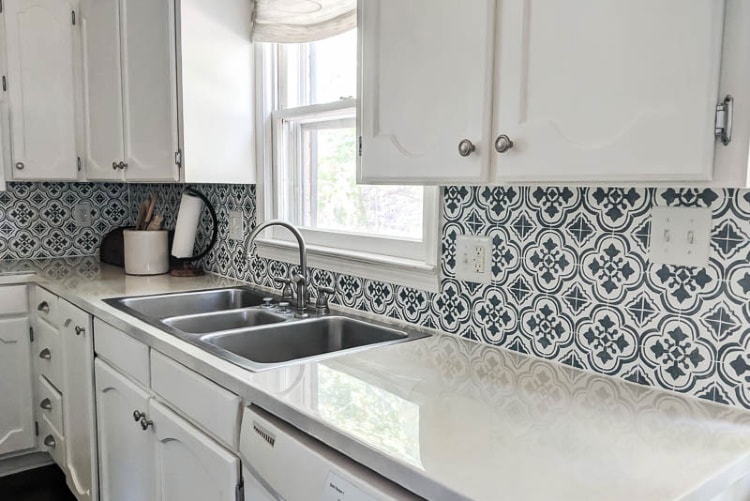
Countertop refinishing kits promising granite or marble effects caught my attention at the home improvement store, and I decided to try one in my bathroom. These kits typically include primer, colored base coats, stone-effect chips or paints, and topcoat sealer, all in one package. The process was more involved than simple painting, but it created results that genuinely mimicked natural stone from a distance. I appreciated having all the necessary components included rather than trying to source compatible products separately.
The application process required following the kit instructions precisely for good results. I started with the included primer, then rolled on the base color, which was a neutral gray-beige in my case. While the base coat was still slightly tacky, I applied the stone chips using a special sponge dauber, creating random patterns that looked like mineral deposits in natural stone. This step was actually fun and forgiving; the random nature meant there was no wrong way to do it. I varied the pressure and angle to create depth and interest, standing back frequently to assess the overall pattern.
The protective topcoat sealed everything and added durability. The kit included an epoxy-based sealer that I mixed and rolled on in thin layers, building up to the recommended thickness over several coats. The epoxy was tricky to work with because of its limited working time. I had to move quickly and avoid overworking areas. The final result looked impressively like real stone, especially after I added a slight sheen topcoat. The textured surface hid imperfections in my original laminate beautifully. While not quite as convincing as actual stone up close, the transformation was dramatic, and guests consistently express surprise when I tell them it’s painted laminate underneath.

Applying Concrete Overlay for Industrial Style
Concrete overlays offered a completely different aesthetic, and I used this technique on my basement kitchenette countertop. The process involved applying a cement-based coating directly over the laminate, creating a genuinely concrete surface rather than just a painted imitation. I chose this method because I wanted an industrial modern look that would complement my basement’s exposed ceiling and minimalist design. The concrete overlay kits I found made the process accessible for DIYers, though it was definitely more labor-intensive than painting.
Surface preparation remained crucial, but the concrete overlay was more forgiving than paint about adhesion. I still cleaned and lightly sanded the laminate, but I didn’t need to be quite as meticulous since the concrete has a natural grip. I applied a bonding agent included in my kit, which helped the concrete adhere to the slick laminate surface. Then I mixed the concrete overlay according to package directions, achieving a thick but spreadable consistency similar to frosting. I applied it with a trowel in thin layers, building up thickness gradually rather than trying to achieve full coverage in one pass.
Creating texture and character made my concrete countertop unique. I intentionally left trowel marks visible for an artisan look, and I varied the thickness slightly to create subtle undulations that caught light beautifully. After the concrete cured for the recommended time, usually 24-48 hours, I sanded any rough spots with fine sandpaper. The final step was sealing with multiple coats of concrete sealer to protect against stains and moisture. I chose a matte sealer that maintained the raw concrete appearance while making the surface practical for food prep. The finished countertop has become a conversation piece, with its unique texture and modern industrial vibe.

Using Peel and Stick Vinyl Film for Quick Updates
Vinyl countertop films offered the fastest, least permanent makeover option, which I tried on my rental property’s kitchen. These adhesive films come in various patterns mimicking marble, granite, wood, and solid colors. The application is similar to applying contact paper, but with products specifically designed for countertop durability. I chose a white marble pattern that brightened the small kitchen and made it feel more upscale without any investment from my tenant or commitment from me as the landlord.
Installing the film required precision and patience to avoid bubbles and wrinkles. I measured and cut the film slightly larger than needed, giving myself room to trim for a perfect fit. I cleaned the laminate thoroughly with rubbing alcohol and let it dry completely; any dust or moisture would create bubbles. Starting from one edge, I slowly peeled back the backing while smoothing the film onto the countertop with a squeegee, working out bubbles as I progressed. The key was taking my time and not rushing; I could reposition the film within the first few minutes if needed.
Dealing with seams and edges presented the biggest challenge. My countertops were wider than the film, so I needed to overlap pieces slightly, cutting along the overlap with a sharp utility knife to create invisible seams. At the backsplash, I heated the film with a hairdryer to make it pliable enough to curve up the wall without lifting. At the front edge, I wrapped the film under the countertop lip, securing it out of sight. The finished result looked surprisingly good for such a simple installation. While I knew it wasn’t as permanent as other options, the film has lasted over a year in my rental with normal kitchen use, and replacing it would be inexpensive and easy when needed.

Resurfacing with Epoxy Resin for Glass-Like Finish
Epoxy resin created the most dramatic and durable transformation I attempted, and I saved this technique for my main kitchen after perfecting skills on other projects. Epoxy produces a thick, glass-like surface that’s incredibly durable and can incorporate colors, metallics, or decorative elements for custom effects. The process was more involved and expensive than other options, but the professional-quality results justified the effort. I spent several weeks researching techniques and watching tutorials before attempting this project because mistakes with epoxy are difficult to fix.
Preparation was even more critical with epoxy than with other methods. The countertop surface needed to be perfectly clean, level, and smooth since epoxy is clear and would show every imperfection underneath. I filled any chips or gouges in my laminate with epoxy filler, sanded everything smooth, and cleaned obsessively. I removed the sink and taped off areas I didn’t want epoxy to contact. I also built a temporary dam around the countertop edges using plastic sheeting and tape to contain the self-leveling epoxy, which would otherwise drip over the edges.
Mixing and pouring epoxy required working quickly but carefully. I mixed the two-part epoxy according to instructions, stirring thoroughly but gently to minimize bubbles. I poured it onto the countertop and spread it with a foam brush and spreader, working it into corners and around the cooktop cutout. I used a propane torch to pop surface bubbles, waving it quickly across the surface. The epoxy self-levels beautifully, creating a perfectly smooth surface. After it cured for several days, I had a thick, durable, glass-like countertop that’s resistant to heat, stains, and scratches. The depth and clarity of the epoxy made my countertops look expensive and custom, completely transforming my kitchen’s aesthetic.

Maintaining Your Newly Made-Over Countertops
Daily care routines preserve the finish and extend the life of makeover countertops. I wipe mine down after meal prep with a damp microfiber cloth and gentle dish soap, which removes food residue without damaging the finish. I avoid abrasive scrubbers and harsh chemicals that could scratch or dull the surface. For painted or sealed countertops, I use cutting boards religiously since knife marks can scratch through the finish. Hot pots go on trivets rather than directly on the surface, even though some finishes can handle heat; better safe than sorry.
Periodic maintenance keeps makeover countertops looking fresh. For painted countertops, I touch up any chips or scratches immediately before they spread. I keep leftover paint on hand for this purpose. For epoxy and concrete overlays, I reapply sealer annually in high-use areas like around the sink where wear is most evident. This takes maybe an hour and significantly extends the life of the finish. I’ve learned that small preventive maintenance tasks are much easier than letting damage accumulate to the point where complete refinishing becomes necessary.
Long-term durability depends on the method chosen and how well you maintain it. My painted countertops have held up for over two years with only minor touch-ups needed. The epoxy countertop still looks perfect after 18 months of heavy use. The vinyl film in my rental has started showing some wear at edges and high-touch areas after a year, which is expected for that product. I’ve accepted that makeover solutions aren’t lifetime fixes like replacing with stone would be, but they give me several years of good service at a fraction of the cost. When they eventually need redoing, I’ll have saved enough to either repeat the process or finally upgrade to my dream countertops.

How long do laminate countertop makeovers typically last?
Duration varies by method and use. My painted countertops have lasted over two years with careful maintenance and show no signs of failure. Epoxy coatings can last 5-10 years or more with proper care, rivaling the longevity of some permanent materials. Vinyl films last 1-3 years typically, making them good temporary solutions. Concrete overlays hold up 5-7 years with resealing. High-traffic areas wear faster than less-used surfaces. Proper prep and quality materials significantly impact longevity. Most makeovers cost so much less than replacement that even redoing them every few years remains economical.
Can I do a countertop makeover if my laminate is damaged or peeling?
Minor damage is fixable before refinishing. I filled chips and gouges with epoxy filler or wood filler, sanding smooth once dry. Peeling laminate edges need regluing with contact cement before refinishing; otherwise, the problem will continue under the new finish. If the laminate is severely damaged with large missing sections or extensive water damage causing swelling, makeover products won’t adhere properly. In those cases, replacing or installing new laminate over the damaged surface makes more sense than trying to refinish catastrophically failed countertops.

Which makeover method is most beginner-friendly?
Painting is the easiest starting point with the shortest learning curve. The process is straightforward, and mistakes are relatively easy to fix by sanding and repainting. Vinyl film is also very forgiving since it’s repositionable during installation and requires no drying time. Stone-effect kits offer good results with minimal skill since the random pattern is forgiving. I’d avoid epoxy and concrete overlays as first projects; they’re less forgiving of mistakes and require more technique. Practice on a small, inconspicuous surface first, regardless of the method chosen.
How much does a DIY countertop makeover cost compared to replacement?
I spent about $150 for paint and sealer to refinish my 30 square feet of countertops, versus $2000-5000 for granite replacement. Specialty kits cost $100-300, depending on the coverage area. Vinyl films run $60-150 for most kitchens. Epoxy is priciest at $200-400 for materials, but still far cheaper than stone. Professional laminate replacement costs $1500-3000 for an average kitchen. The savings are substantial; I transformed my kitchen for under 10% the replacement cost. Even redoing makeovers every few years remains much more economical than immediate replacement.
Will a countertop makeover work over old tile countertops too?
Yes, most makeover methods work on tile with proper preparation. The grout lines need filling first to create a smooth surface. I’ve used joint compound or epoxy filler for this. Tiles need thorough cleaning and light sanding for adhesion. Epoxy works particularly well over tile, filling grout lines and creating a seamless surface. Concrete overlay bonds well to tile after proper prep. Painting and specialty kits also work, but may require extra prep coats to hide grout lines. The process is similar to refinishing laminate.
Can I place hot pots on made-over countertops?
It depends on the finish. Epoxy resin handles heat well; I’ve placed moderately hot pots on mine without issues, though I still use trivets for very hot items. Painted countertops should never have hot pots placed directly on them; the paint and sealer will bubble or discolor. Concrete overlays handle heat reasonably well after curing. Vinyl films can’t tolerate heat at all; hot pots will melt or distort them. I recommend using trivets and hot pads regardless of finish type to maximize longevity and avoid testing the limits of your refinished surface.
Related articles:
- Custom Laminate Countertops
- Vintage Laminate Countertops
- Laminate Countertops Makeover
- Refinish Laminate Countertops
- Cutting Laminate Countertops
- Retro Laminate Countertops
- Laminate Countertops For Bathroom
- Black Marble Laminate Countertop
- Painting Kitchen Laminate Countertops
- Quartz Laminate Countertops
