When I first considered subway tile for my kitchen countertops, I thought it was just for backsplashes. Boy, was I wrong! After living with subway tile counters for three years now, I can honestly say it was one of the best design decisions I’ve made. The classic rectangular tiles bring a clean, sophisticated look that works with virtually any kitchen style, from farmhouse to modern industrial. What started as a budget-friendly alternative to marble has become my favorite design feature.
Choosing the Right Subway Tile for Your Counters
I spent weeks researching different subway tile options before making my choice. Ceramic tiles were the most budget-friendly, but I ultimately went with porcelain for the countertops because of their superior durability and stain resistance. The key is finding tiles that are at least 1/4 inch thick to handle the weight and wear that countertops endure daily.
The finish you choose makes a huge difference in both look and maintenance. I initially wanted glossy white tiles for that classic subway look, but my contractor convinced me to go with a matte finish instead. He was right, glossy tiles show every water spot and fingerprint, while my matte tiles hide daily wear beautifully.
Size matters more than you might think when it comes to subway tiles on countertops. Standard 3×6-inch tiles create a timeless look, but I’ve seen stunning counters with larger 4×8 or even 6×12 subway tiles. The larger tiles mean fewer grout lines, which translates to easier cleaning and a more streamlined appearance.
Installation Challenges I Wish I’d Known About
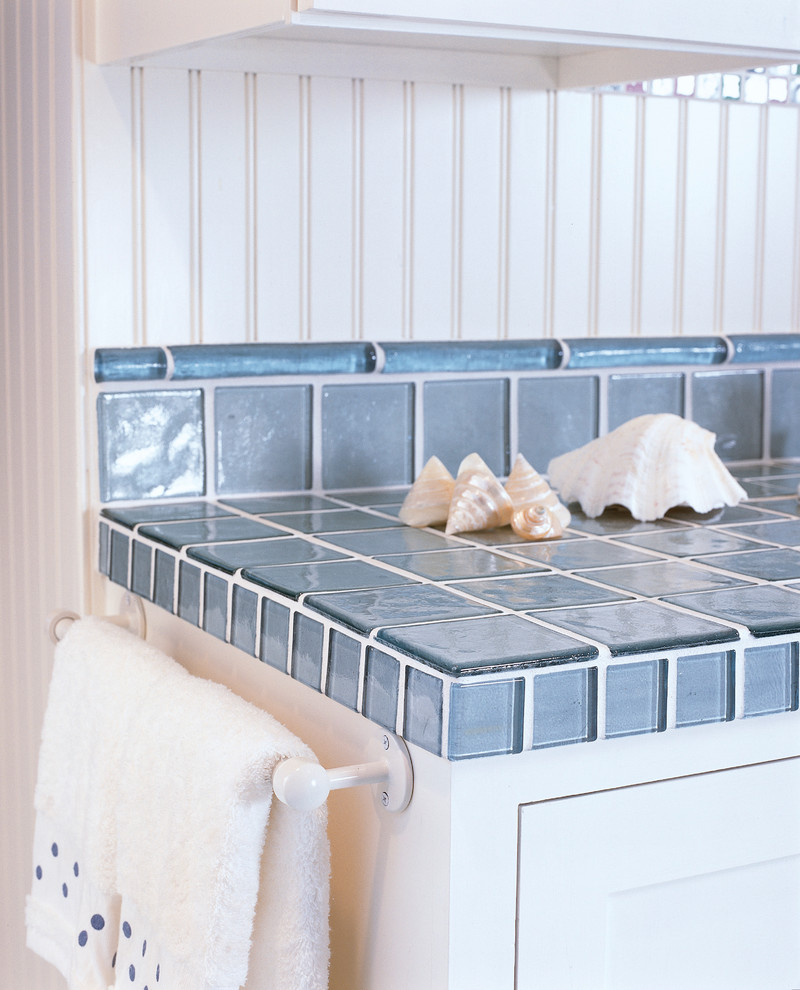
Installing subway tile countertops is more complex than I anticipated. The edges are particularly tricky because you need to create a finished look without exposed tile edges. My installer used bullnose tiles for a rounded edge, though some people prefer wood trim or metal edging for a more industrial feel.
Getting the layout right took careful planning. We started with full tiles in the most visible areas and worked toward the back, where cut tiles would be less noticeable. I learned that dry-laying the tiles first saves you from costly mistakes later. Trust me on this one, measure twice, cut once definitely applies to tile work.
The substrate preparation was crucial and something I almost skimped on to save money. Thank goodness I listened to my contractor and invested in proper cement backer board. Regular drywall or plywood just won’t hold up under the weight and moisture that kitchen counters face daily.

Grout Selection and Maintenance Lessons
Choosing the right grout was almost as important as selecting the tiles themselves. I went with a light gray grout instead of pure white, and it’s been a game-changer for maintenance. White grout looks amazing initially, but it shows every stain and requires constant cleaning to stay pristine.
Sealing the grout properly is essential, though I learned this the hard way. My installer rushed the sealing process, and within six months, I had staining around the sink area. I ended up having to reseal everything myself, but now I do it annually and haven’t had any issues since.
Daily maintenance is surprisingly easy once you establish a routine. I wipe down the counters with a damp microfiber cloth after cooking and use a mild alkaline cleaner weekly. Avoid acidic cleaners like vinegar or lemon juice; they can damage both the grout and certain types of tiles over time.

Cost Breakdown and Budget Considerations
My subway tile countertops cost significantly less than the granite I originally wanted. The materials ran about $8-12 per square foot for quality porcelain subway tiles, compared to $40-60 per square foot for granite. Even with professional installation, adding another $15-20 per square foot, the total was still half what stone counters would have cost.
Labor costs can vary wildly depending on your location and the complexity of your layout. I got quotes ranging from $800 to $2,200 for the same job. The cheapest bid came from a handyman, but I’m glad I went with an experienced tile setter. The precision required for countertops is much higher than for wall installations.
Don’t forget to budget for extras like edge treatments, outlet cutouts, and potential substrate repairs. These add-ons increased my project cost by about 20%, but they’re necessary for a professional-looking result. I also recommend keeping extra tiles for future repairs; they’re much easier to replace than you’d expect.
Design Flexibility and Style Options
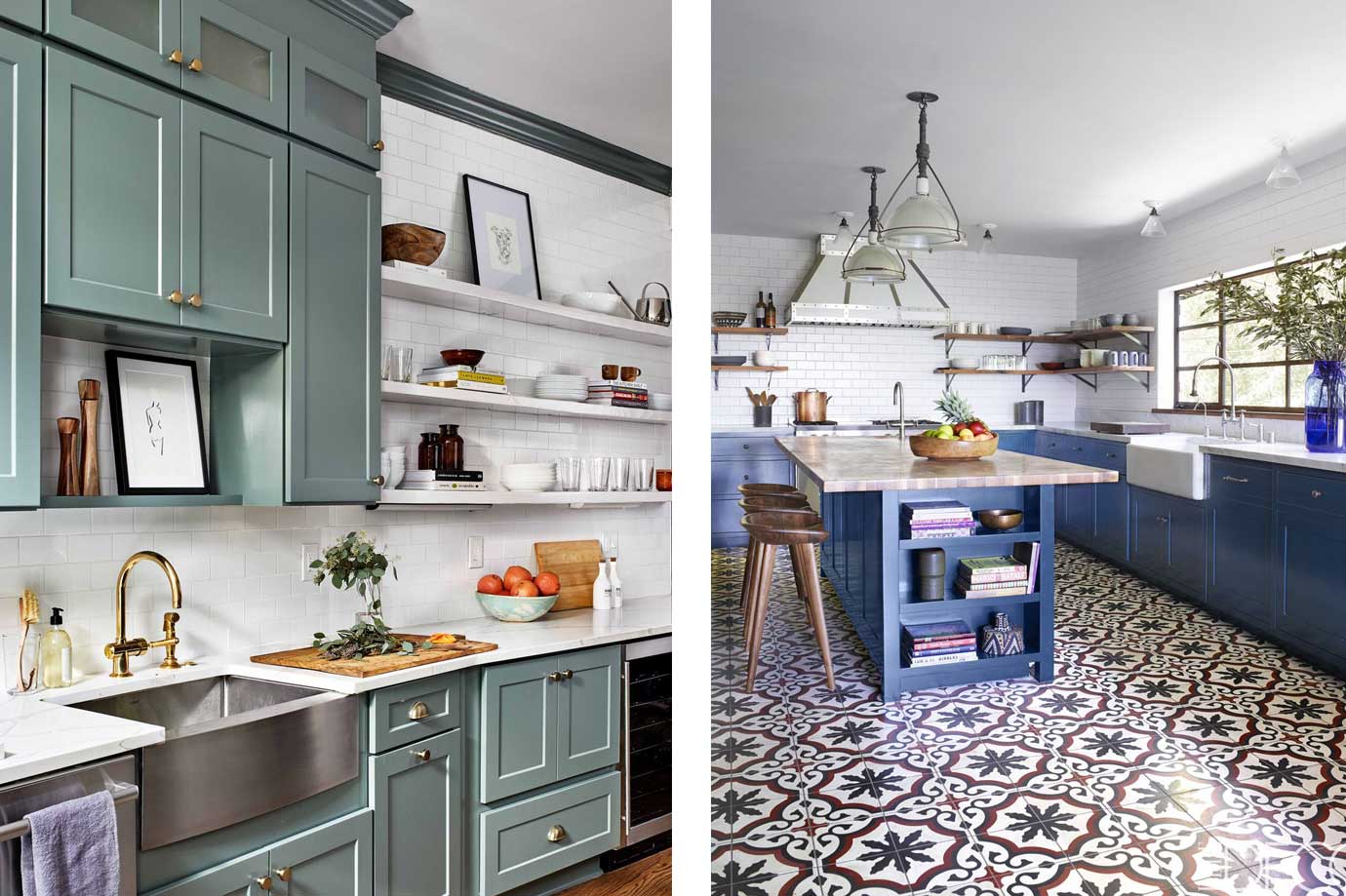
The beauty of subway tile countertops lies in their versatility. I chose classic white, but I’ve seen gorgeous installations in navy blue, sage green, and even black tiles. The neutral nature of subway tiles means you can easily change your kitchen’s personality with different cabinet colors or hardware without replacing the counters.
Pattern variations can completely transform the look while using the same basic tile. Traditional running bond pattern gives that classic subway feel, but herringbone or vertical stack patterns create more visual interest. I stuck with running bond for timeless appeal, but I sometimes wonder if I should have been more adventurous.
The grout color you choose dramatically affects the overall appearance. Dark grout creates bold definition between tiles, while matching grout makes the surface appear more seamless. I went with a grout two shades darker than my tiles, which provides subtle definition without being too bold.
Long-Term Durability and Performance
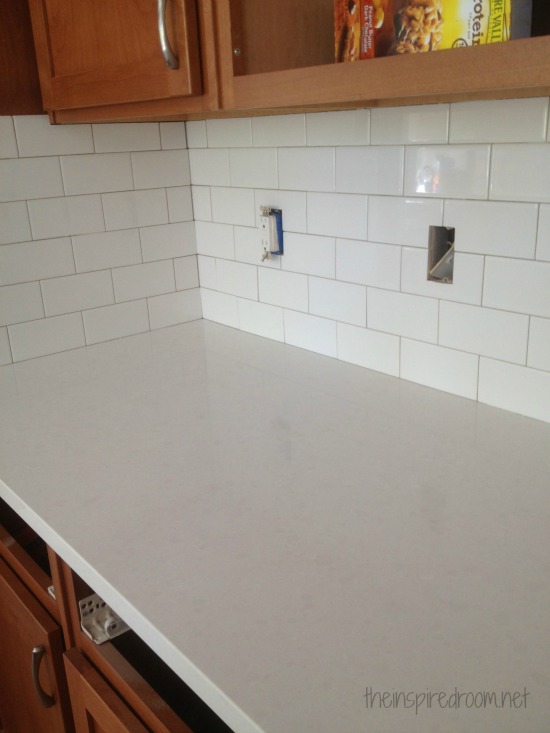
After three years of heavy use, my subway tile counters still look fantastic. They’ve handled hot pots, knife cuts (though I don’t recommend it), and countless spills without showing significant wear. The only damage I’ve had was one chipped tile corner from dropping a heavy Dutch oven, but replacing a single tile was surprisingly straightforward.
Heat resistance has been excellent, though I still use trivets for very hot pans out of habit. The tiles themselves can handle high temperatures, but sudden temperature changes can cause cracking. I learned this when I placed a hot pan directly from the oven onto the cool counter; it created a hairline crack that I had to repair.
Stain resistance depends heavily on proper sealing and maintenance. Coffee, wine, and tomato sauce wipe up easily if cleaned promptly. The few times I’ve let spills sit overnight, they cleaned up with a little extra scrubbing and didn’t leave permanent stains. Overall, the performance has exceeded my expectations for the price point.
Are subway tile countertops sanitary for food prep?
I was initially concerned about bacteria in the grout lines, but properly sealed grout is quite hygienic. I clean mine regularly with antibacterial cleaner and haven’t had any issues. The smooth tile surface is easy to sanitize, and the grout lines are narrow enough that they don’t trap debris like wider grout joints might.
How do subway tile counters hold up to daily kitchen use?
Mine have performed beautifully for three years of heavy cooking and entertaining. They’re surprisingly durable against impacts and scratches. The key is using quality porcelain tiles and proper installation. I’ve had no structural issues, and the few cosmetic chips I’ve gotten were easily repaired with matching tiles.

Can I install subway tile countertops myself?
While it’s possible, I’d recommend professional installation unless you have significant tiling experience. The precision required for countertops is much higher than for walls, especially around sinks and edges. I considered DIY initially, but decided the potential for costly mistakes wasn’t worth the savings.
What’s the biggest maintenance challenge with tiled counters?
Grout maintenance is definitely the biggest ongoing concern. Even with proper sealing, grout can discolor over time and needs regular cleaning. I reseal annually and deep clean the grout monthly. It’s not difficult, but it does require consistent attention to keep everything looking fresh.

Do subway tile countertops add value to your home?
They’ve been a selling point when friends have toured my kitchen. Real estate agents tell me that well-executed tile counters are viewed positively by buyers, especially when they’re in good condition. They offer a custom look at a fraction of the cost of natural stone, which appeals to budget-conscious buyers.
How do they compare to other countertop materials in terms of practicality?
I find them more practical than marble for everyday use since they’re less prone to staining and etching. They’re not as seamless as solid surface materials, but the grout lines don’t bother me in daily use. They require more maintenance than granite but offer more design flexibility and cost significantly less initially.
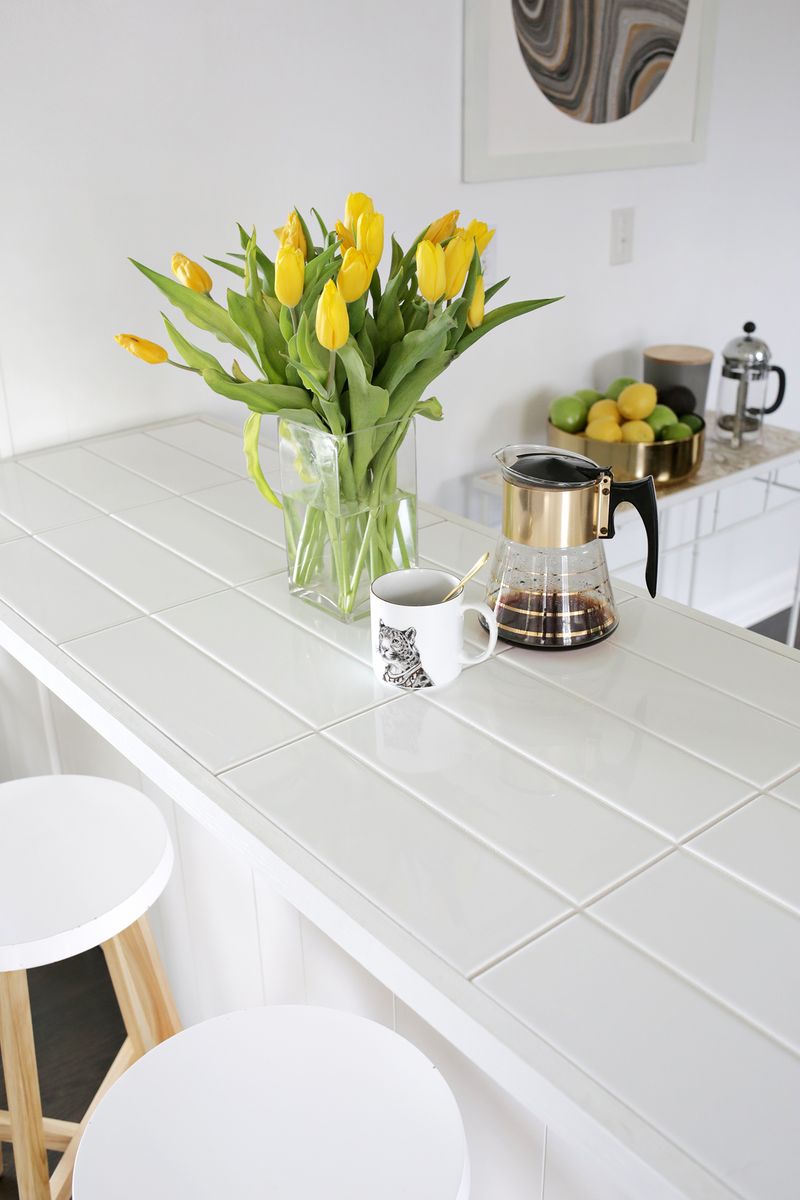
Tile Kitchen Countertops
Related articles:
- Modern Kitchen Countertop Ideas
- Country Kitchen Countertops
- Retro Tile Kitchen Countertops
- Rustic Wood Kitchen Countertops
- Vintage Kitchen Countertop Ideas
- Subway Tile Kitchen Countertops
- Dark Grey Kitchen Countertops
- Kitchen Countertop Granite Tile
- Kitchen Countertop Design
- Durable Kitchen Countertops
