When I inherited my great-aunt’s 1940s farmhouse kitchen two years ago, the original butcher block countertops were worn, stained, and seemingly beyond repair. Everyone told me to rip them out and install granite, but something about their weathered character and authentic patina spoke to me. My journey to restore these vintage surfaces while maintaining their historical integrity taught me that old butcher block countertops aren’t just functional surfaces; they’re pieces of culinary history that tell stories of decades of family meals, holiday preparations, and daily life. The transformation process opened my eyes to the unique beauty and practicality that only genuine vintage wood surfaces can provide.
Identifying Authentic Vintage Butcher Block Construction and Quality
Learning to evaluate vintage butcher block countertops required developing an eye for construction details that indicate quality and authenticity. Original mid-century butcher blocks were typically constructed from solid hardwood strips, usually maple or oak, glued together with traditional wood glues and finished with natural oils or shellac. I discovered that authentic vintage pieces often show slight variations in wood tone and grain pattern that mass-produced modern blocks lack, creating a visual character that can’t be replicated.
The thickness of vintage butcher block became one of my key indicators of quality and authenticity. Original countertops from the 1940s through 1960s were typically 2-3 inches thick, substantially heavier, and more durable than many modern alternatives. I learned to examine the construction method, looking for evidence of traditional edge-gluing techniques and the absence of modern laminated layers or engineered components that appeared in later decades.
Hardware and mounting systems provided additional clues about age and quality. Vintage installations often featured heavy-duty brackets, thick mounting cleats, and robust support structures that reflected the substantial weight of solid wood construction. I found that examining the underside of existing installations revealed original mounting hardware, maker’s marks, and construction details that helped me authenticate pieces and understand their historical context.
Restoration Techniques That Preserve Historical Character
My restoration approach focused on preserving the authentic patina and character marks that made these vintage surfaces special while addressing functional issues that affected usability. Light sanding with progressively finer grits removed surface stains and smoothed rough areas without eliminating the subtle wear patterns that testified to decades of use. I learned to embrace minor imperfections like knife marks and water rings as part of the countertop’s historical narrative rather than flaws to be eliminated.
Traditional finishing methods proved crucial for maintaining authenticity while providing modern protection. I researched period-appropriate treatments and settled on a combination of mineral oil and beeswax that penetrated the wood fibers while creating a protective surface that could be refreshed as needed. Modern polyurethane finishes would have provided superior protection but completely altered the authentic look and feel I wanted to preserve.
Selective repair techniques allowed me to address serious damage without compromising the overall vintage character. For deep gouges or burns, I used wood filler tinted to match the surrounding grain, sanding carefully to blend repairs seamlessly with the existing surface. Large damaged sections required more extensive intervention, but I found local woodworkers who could fabricate replacement pieces using reclaimed wood that matched the original construction methods and appearance.
Sourcing Authentic Vintage Butcher Block Countertops
My search for additional vintage butcher block pieces took me through architectural salvage yards, estate sales, and online marketplaces, where I learned to identify quality pieces worth restoration. Restaurant supply auctions became particularly fruitful sources, as commercial kitchens from the mid-century era often featured substantial butcher block work surfaces that were being replaced during modernization projects. These pieces typically showed more wear but offered authentic construction and substantial thickness.
Estate sales in older neighborhoods provided opportunities to acquire residential butcher block countertops from homes being renovated or demolished. I learned to arrive early and bring proper tools for removal, as many sellers were happy to let me carefully extract countertops that would otherwise be discarded. Building relationships with estate sale companies led to advance notice of particularly promising sales featuring period kitchens.
Online marketplaces expanded my search radius but required careful evaluation of photos and detailed questions about condition, dimensions, and provenance. I developed a checklist of specific details to investigate before committing to purchases, including measurements, thickness, wood species identification, and evidence of original construction methods. Shipping costs for heavy butcher block sections made local sources preferable, but exceptional pieces sometimes justified long-distance purchases.

Integration Strategies for Vintage Blocks in Contemporary Kitchens
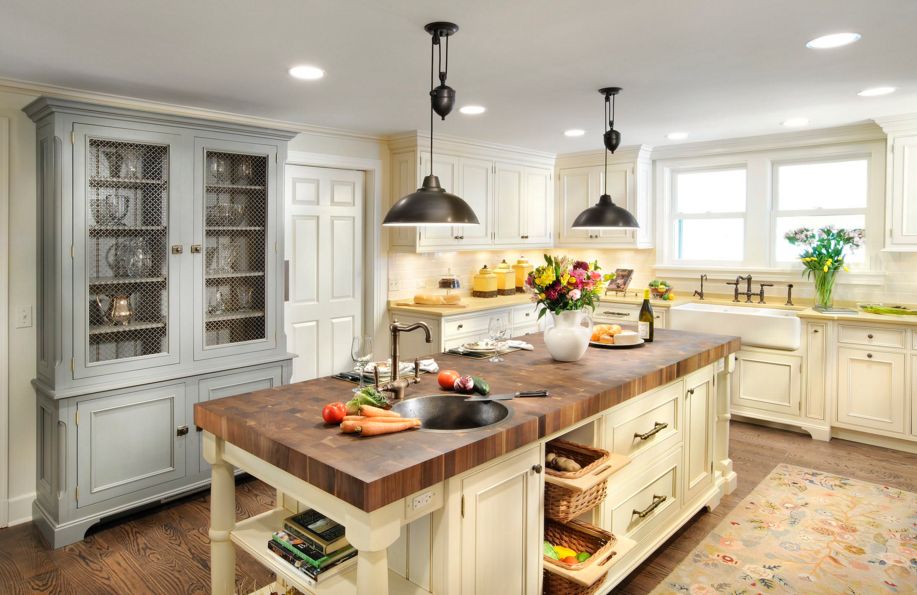
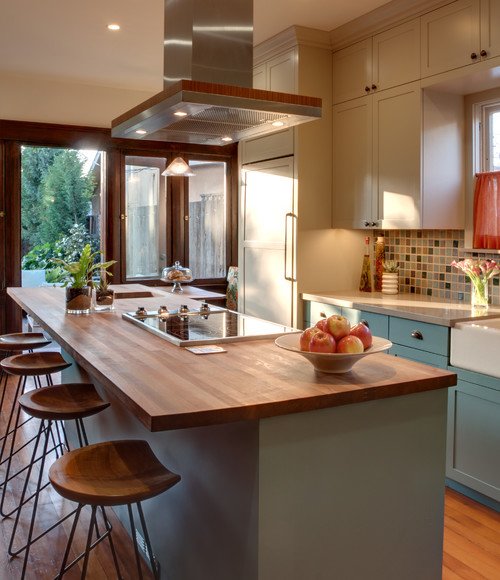
Blending vintage butcher block countertops with modern kitchen elements required a careful balance between historical authenticity and contemporary functionality. I found that pairing weathered butcher block with clean-lined modern cabinets created an appealing contrast that highlighted both the wood’s character and the cabinetry’s sleek design. The key was letting each element complement rather than compete with the other for visual attention.
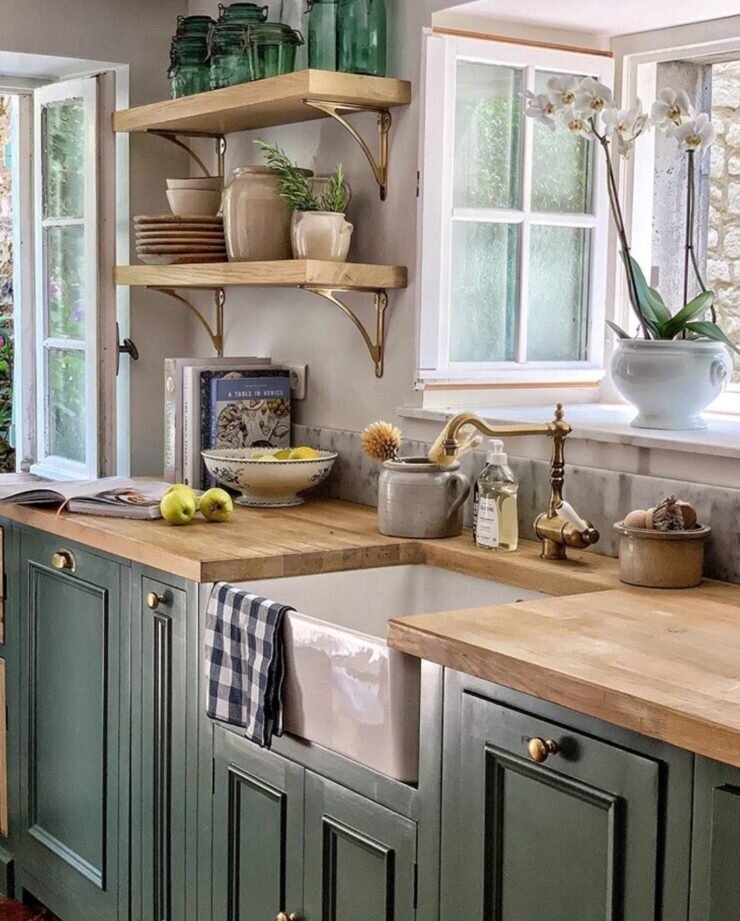
Color coordination became crucial for creating cohesive designs that honored both vintage and contemporary elements. The warm honey tones of aged maple butcher block worked beautifully with white, cream, and sage green cabinet colors that were popular in mid-century design. I avoided stark contrasts that would make the vintage countertops look out of place, instead choosing colors that created gentle transitions between old and new elements.
Lighting design played a vital role in showcasing the natural beauty of vintage butcher block while providing adequate task illumination for modern cooking activities. Under-cabinet LED strips highlighted the wood grain and created warm pools of light that enhanced the countertops’ organic character. Pendant lights over islands and peninsulas provided focused lighting while adding contemporary elements that bridged vintage and modern aesthetics.

Maintenance Routines That Preserve Vintage Character
Developing appropriate maintenance routines for vintage butcher block required understanding both the wood’s needs and the importance of preserving its historical patina. Daily cleaning with mild soap and minimal water prevented stains and bacteria buildup while avoiding harsh chemicals that could damage the wood fibers or strip away protective oils. I learned to dry surfaces immediately after cleaning to prevent water damage and maintain the wood’s dimensional stability.
Monthly conditioning with food-safe mineral oil became essential for preventing cracks and maintaining the wood’s natural moisture balance. I applied thin coats using lint-free cloths, working with the grain direction and allowing complete penetration before buffing away excess oil. This routine kept the wood healthy while gradually building up natural protection that enhanced rather than masked the vintage character.
Seasonal deep maintenance addressed issues like minor scratches, stains, and areas where the protective finish had worn thin. Light sanding with fine-grit paper removed surface imperfections while maintaining the overall patina, followed by thorough cleaning and fresh oil application. I learned to embrace the gradual development of new character marks as part of the vintage aesthetic rather than trying to maintain a perfect, unchanging appearance.
Investment Value and Authentication of Vintage Pieces
Understanding the market value of vintage butcher block countertops helped me make informed purchasing decisions while building my collection. Pieces from specific eras, particularly those with documented provenance or maker’s marks, commanded premium prices from collectors and restoration enthusiasts. I learned to research comparable sales and consider factors like thickness, wood species, condition, and historical significance when evaluating potential purchases.
Authentication became crucial for distinguishing genuine vintage pieces from modern reproductions designed to mimic aged appearance. Original construction methods, hardware styles, wear patterns, and wood aging characteristics provided reliable indicators of authenticity. I developed relationships with knowledgeable dealers and craftspeople who could verify provenance and help me avoid costly mistakes when purchasing significant pieces.
Regional variations in style, construction, and materials reflected different manufacturing traditions and local preferences that affected both authenticity and value. Midwest pieces often featured different wood species and construction details than those from coastal regions, while commercial versus residential origins created distinct characteristics that knowledgeable collectors recognized. Understanding these variations helped me appreciate the diversity within vintage butcher block design.

Modern Functionality with Vintage Aesthetics
Adapting vintage butcher block countertops for contemporary kitchen use required addressing modern sanitation and functionality requirements while preserving historical character. I learned techniques for deep sanitizing that eliminated bacteria concerns without damaging the wood or altering its appearance. Regular maintenance with antibacterial treatments designed for wood surfaces provided confidence in food safety without compromising authenticity.
Integration with modern appliances demanded creative solutions for mounting and clearance issues that original installations never anticipated. Contemporary cooktops, dishwashers, and other appliances required precise cutouts and proper heat protection that weren’t concerns when these countertops were originally installed. I worked with experienced craftspeople to develop solutions that maintained safety standards while preserving the vintage aesthetic.
Workflow optimization became important for ensuring that vintage countertops enhanced rather than hindered modern cooking activities. Strategic placement of cutting areas, prep zones, and cleanup stations maximized the functionality of available surface area while respecting the historical integrity of the original pieces. The result was kitchens that honored the past while serving contemporary lifestyle needs effectively.

How can you tell if butcher block countertops are genuinely vintage?
I look for several key indicators: thickness (vintage pieces are typically 2-3 inches), construction methods (traditional edge-gluing without modern laminates), wear patterns that develop naturally over decades, and original hardware or mounting systems. The wood aging, grain patterns, and patina are hard to fake convincingly. I also research maker’s marks and examine the underside for clues about age and origin.
Is it safe to use vintage butcher block for food preparation?
Absolutely, with proper restoration and maintenance. I deep-clean vintage surfaces during restoration, then maintain them with food-safe mineral oil and regular sanitizing. The natural antimicrobial properties of aged hardwood, combined with proper care, make vintage butcher block as safe as new surfaces. I use separate cutting boards for raw meat, but prepare vegetables directly on the restored wood surface.

What’s involved in restoring badly damaged vintage butcher block?
Restoration complexity depends on damage extent. Surface issues like stains and scratches respond to light sanding and re-oiling. Deep damage may require wood filler, selective board replacement, or professional repair. I always start conservatively, removing only what’s necessary to achieve functionality while preserving character. Severely damaged pieces might need complete refinishing, but I try to maintain some original patina whenever possible.
How do vintage butcher blocks compare cost-wise to new countertops?
Costs vary widely based on condition and rarity. I’ve found quality vintage pieces for $50-200 per linear foot, plus restoration costs. While this can exceed basic laminate, it’s often less than premium stone or new high-end butcher block. The value lies in the unique character, historical significance, and environmental benefits of reusing materials. Factor in restoration time and materials when budgeting.
What maintenance challenges are unique to vintage butcher block?
Vintage wood may be more porous and require more frequent oiling than new surfaces. Some pieces have historical damage that needs ongoing attention. The aged wood can be more sensitive to moisture and temperature changes. However, I’ve found that properly restored vintage blocks are remarkably stable and durable. The main challenge is balancing preservation of character with functional maintenance needs.
Can vintage butcher block work in modern kitchen designs?
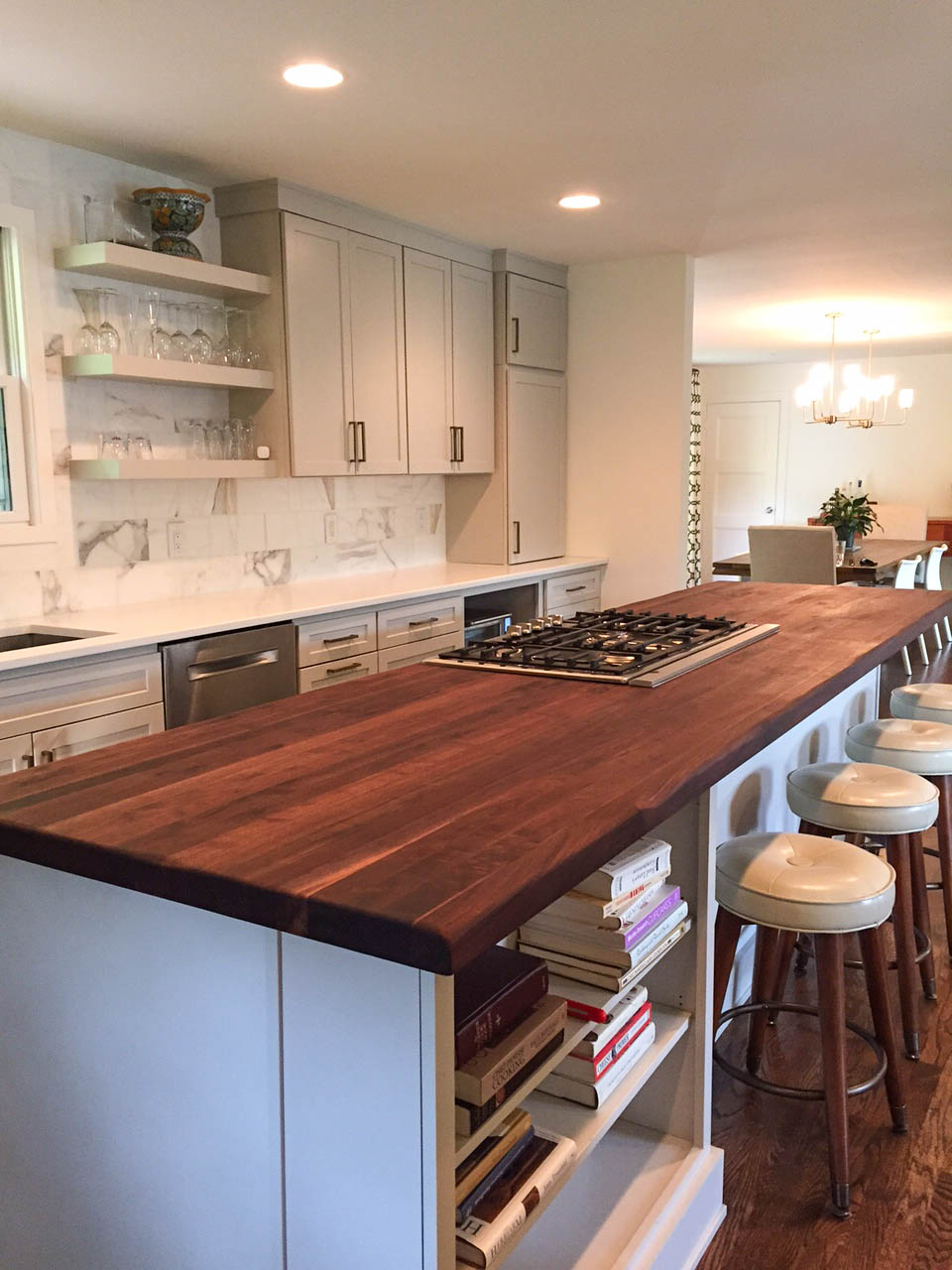
Vintage butcher block actually enhances contemporary kitchens by adding warmth and authenticity that modern materials can’t replicate. The key is thoughtful integration, choosing complementary colors and clean lines that highlight rather than clash with the wood’s character. I’ve seen vintage blocks work beautifully in everything from farmhouse to mid-century modern to contemporary designs. The natural material bridges different style elements naturally.

Butcher block countertops in two species – QUALIFIED REMODELER
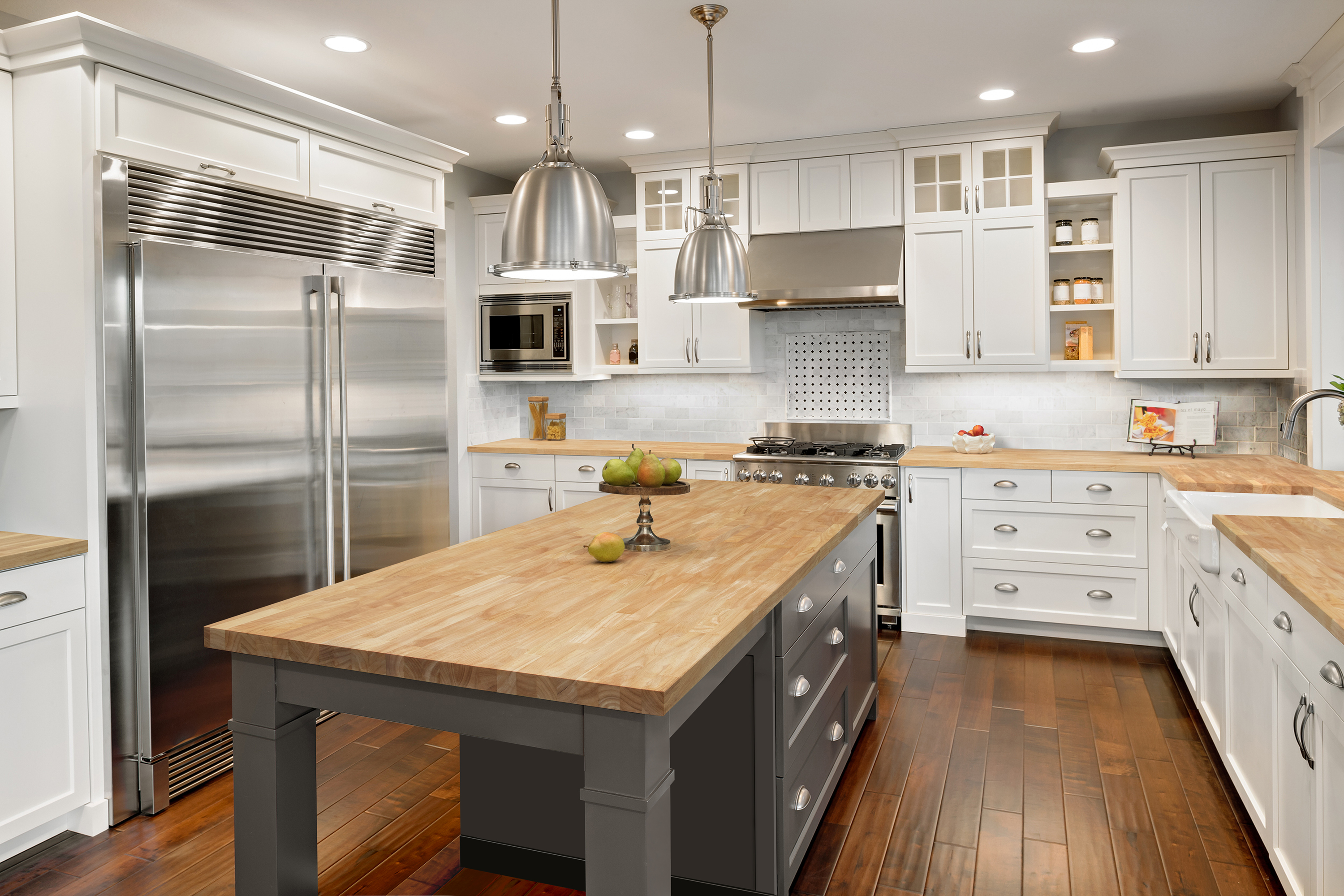
Butcher Block Countertops: The Good, The Bad, The Answers to Your
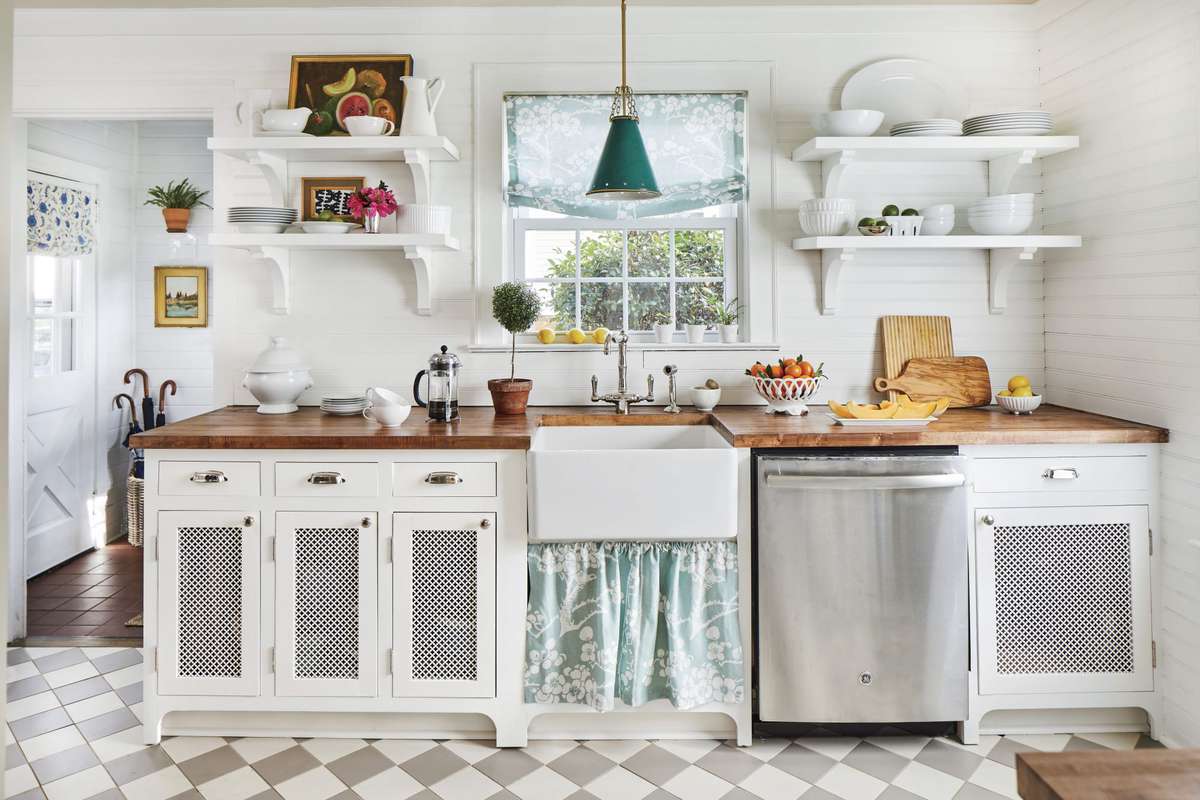
Related articles:
- Butcher Block Countertops Decor
- Butcher Block Countertops Cottage
- Stain Butcher Block Countertops
- Butcher Block Countertops Vintage
- Butcher Block Countertop Farmhouse Sink
- Mahogany Butcher Block Countertops
- Butcher Block Countertop For Kitchen Island
- Can You Paint Butcher Block Countertops
- Butcher Block Countertops With White Cabinets
- Pine Butcher Block Countertops
