When I decided to renovate my master bathroom three years ago, I was absolutely convinced that white countertops were the perfect choice for creating a clean, timeless look. After living with various white countertop materials across five different bathroom projects over the past decade, I’ve learned that not all white surfaces are created equal. From my disastrous experience with porous Carrara marble that stained within the first month, to my current love affair with engineered quartz that still looks pristine after daily use, I’ve discovered the crucial differences between materials, maintenance requirements, and long-term performance that every homeowner should understand before making this significant investment.
Material Options and Their Unique Characteristics
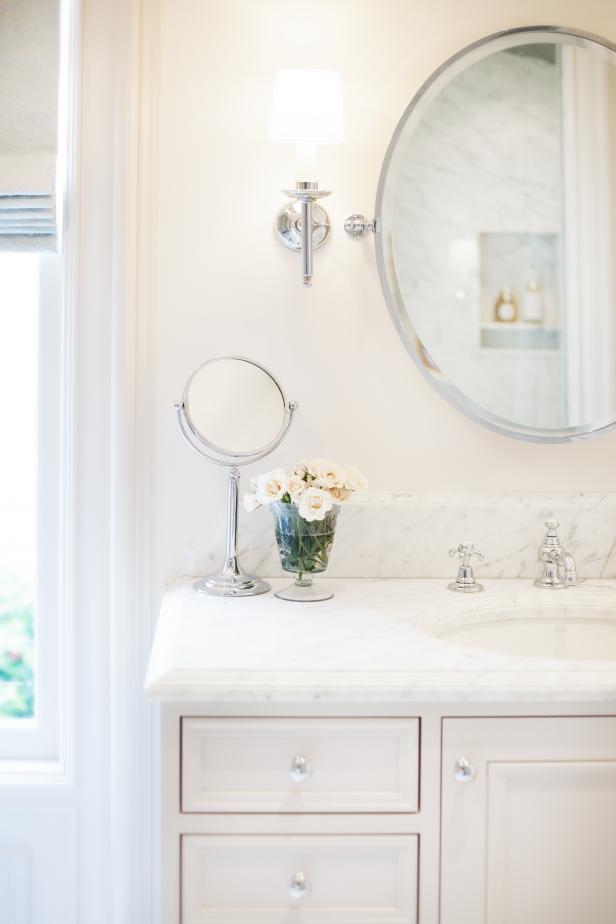
Natural marble became my first choice for white countertops because of its undeniable beauty and luxurious appearance that I’d admired in high-end hotels. I selected Carrara marble for my guest bathroom renovation, drawn to its subtle gray veining and cool white background that photographed beautifully for social media. However, within weeks, I discovered that marble’s porous nature meant every drop of toothpaste, soap, and even water left stains that required professional restoration. The maintenance demands quickly overshadowed the aesthetic appeal, teaching me that beauty without practicality creates ongoing frustration.
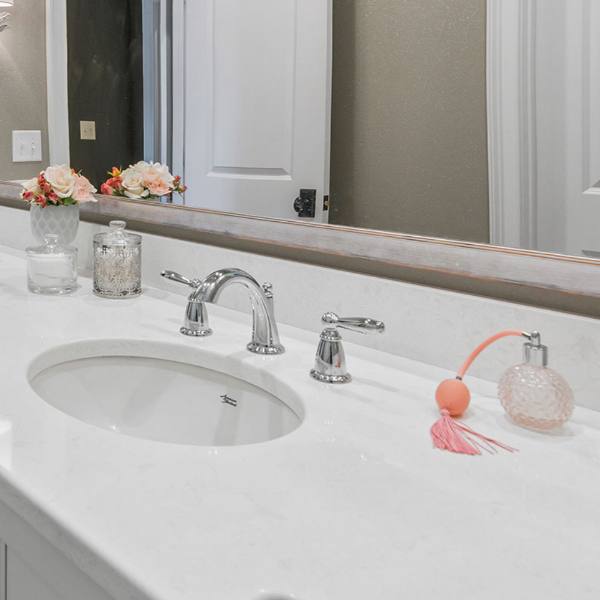
Engineered quartz transformed my understanding of white countertops when I installed it in my master bathroom two years later. The consistent white coloring with subtle sparkle eliminated the staining issues I’d experienced with marble while maintaining an equally sophisticated appearance. I chose a pattern called “Arctic White” that mimics natural stone but performs far better in daily use. The non-porous surface means spills wipe away easily, and after two years of family use, it still looks exactly like installation day with minimal maintenance.
Granite offered a surprising variety in white options that I hadn’t initially considered when researching countertop materials. White Ice granite provided beautiful natural patterns with gray and silver flecks that hide minor scratches and daily wear better than solid white surfaces. The natural stone requires periodic sealing but handles heat and impact better than softer materials. I installed this in my powder room, where the dramatic veining creates a stunning focal point without the high-maintenance demands of a primary bathroom installation.
Choosing the Right Shade of White
Undertones became crucial when I learned that different whites can clash dramatically with existing bathroom elements like cabinetry and tile. Pure white countertops with blue undertones looked sterile and cold against my warm oak vanity, creating an unintentional contrast that made both elements look wrong. I spent hours comparing samples under different lighting conditions before settling on a warm white with subtle cream undertones that complemented my existing finishes beautifully.
Lighting impact surprised me with how dramatically it affected the appearance of white countertops throughout different times of day. My north-facing bathroom made some white samples appear gray and dingy during overcast days, while others maintained their brightness consistently. I learned to test samples in my actual space for at least a week, observing them under morning natural light, evening artificial light, and everything in between before making final selections.
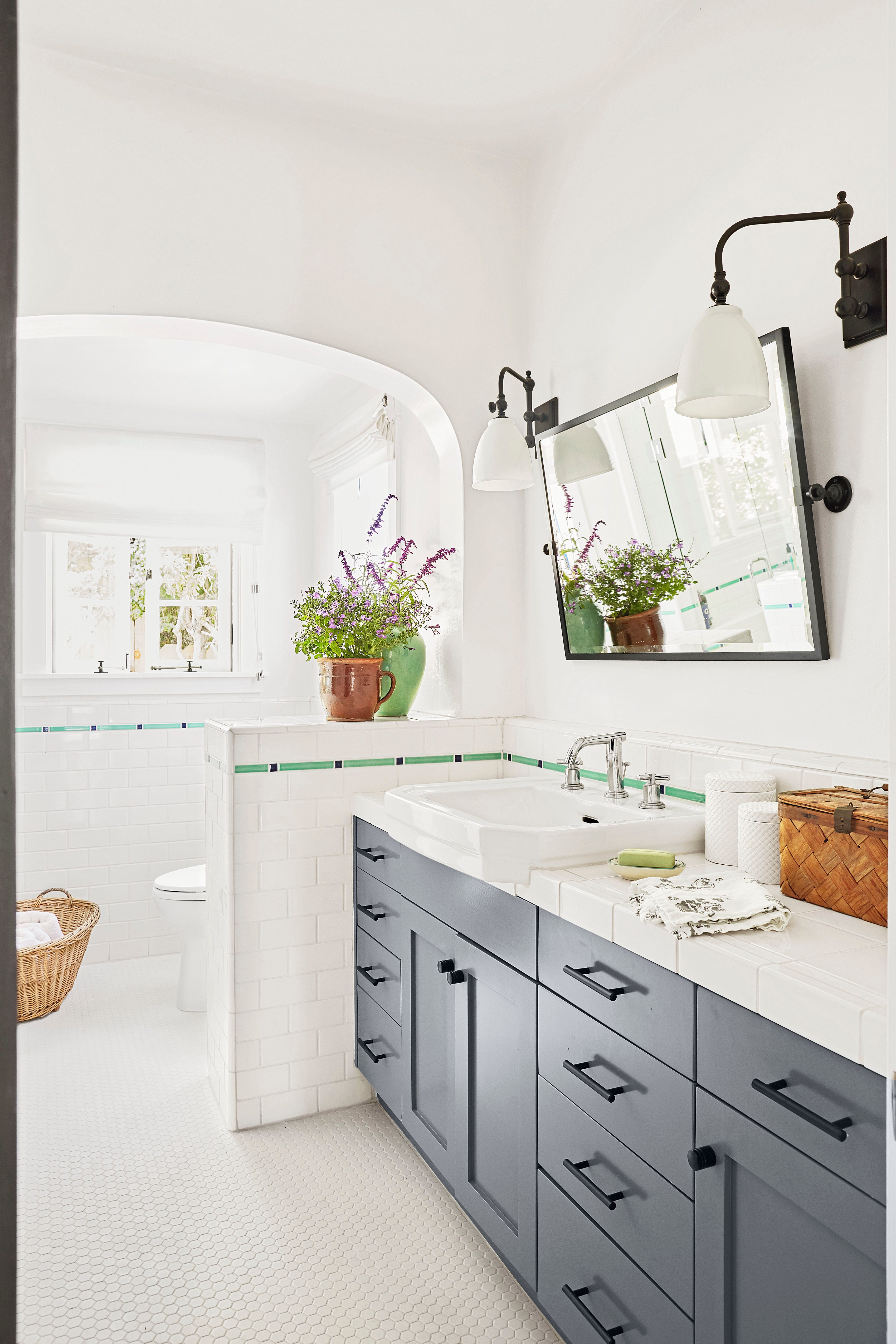
Coordinating with fixtures required careful attention to ensure white countertops enhanced rather than competed with other white elements in my bathroom design. My white subway tile, white vanity, and white countertop needed subtle variations in tone and texture to create visual interest rather than a flat, monotonous appearance. I chose a countertop with slight cream undertones while keeping pure white for the walls and warm white for the cabinetry, creating a layered, sophisticated look.
Installation Considerations and Best Practices
Template precision became essential when I learned that white countertops show measurement errors more obviously than darker materials with busy patterns. Even minor gaps at walls or uneven edges are immediately visible against white surfaces, demanding perfect installation techniques. My fabricator spent extra time ensuring precise measurements and used laser levels to guarantee perfectly straight edges that would maintain their appearance over time without obvious installation flaws.
Seam placement required strategic planning to minimize visibility in white countertops that don’t have natural patterns to disguise joints. My L-shaped vanity configuration necessitated one seam, which the installer positioned at the back corner where it’s least noticeable during daily use. Quality fabrication made the seam virtually invisible, but poor installation would have created obvious lines that would have detracted from the clean, continuous appearance I wanted to achieve.
Support requirements proved more critical for white countertops because any cracking or sagging becomes immediately obvious against the light background. I reinforced my vanity base with additional bracing to ensure long-term stability, particularly around the sink cutout where stress concentrates. Proper support prevents the hairline cracks that can develop over time and become visible against white surfaces much sooner than on patterned materials.

Daily Maintenance and Stain Prevention
Cleaning routines evolved significantly once I understood that white surfaces show everything, requiring more frequent attention than darker countertops I’d used previously. I developed a daily habit of wiping down surfaces after each use rather than allowing buildup that becomes more obvious on white backgrounds. This proactive approach actually simplified overall maintenance by preventing stains and buildup that would require aggressive cleaning methods later.
Product compatibility became crucial when I discovered that some common bathroom cleaners can discolor or etch certain white countertop materials. Bleach-based cleaners that I’d used safely on previous surfaces caused yellowing on some white materials, while acidic cleaners etched marble surfaces permanently. I learned to use pH-neutral cleaners specifically designed for my countertop material, keeping harsh chemicals away from sensitive white surfaces.
Stain prevention strategies proved essential for maintaining the pristine appearance that drew me to white countertops initially. I placed protective mats under toiletry bottles, immediately cleaned any spills, and avoided placing items with potential for staining directly on the surface. These simple habits became second nature and preserved the beauty that made white countertops worth the extra attention they require for long-term success.
Design Integration and Color Coordination
Contrast creation became my strategy for preventing white countertops from disappearing into an all-white bathroom design that lacked visual interest. I paired my white quartz countertop with charcoal gray cabinetry that defined while maintaining a sophisticated color palette. The contrast made both elements more prominent and created the clean, modern aesthetic I wanted without the sterile feeling of too much matching white.
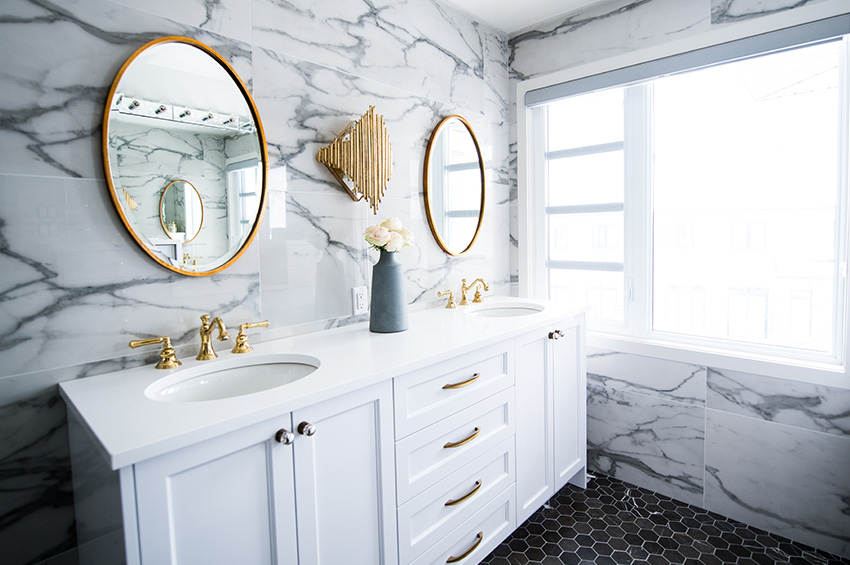
Hardware selection proved crucial for defining white countertops within the overall bathroom design scheme. Brushed nickel faucets and cabinet pulls provided a subtle contrast that enhanced the white surface without overwhelming it, while black hardware created dramatic definition that made the countertop appear brighter and more prominent. I tested different finish options before settling on brushed gold that added warmth while maintaining the sophisticated appearance I wanted.
Backsplash coordination required careful consideration to ensure white countertops integrated seamlessly with wall treatments without creating visual confusion. I chose subway tile in a slightly warmer white than my countertop, creating subtle definition while maintaining color harmony. The different textures and slight tonal variation prevented the flat appearance that results from too much matching white while preserving the clean aesthetic that made white countertops appealing initially.

Cost Analysis and Value Considerations
Material pricing revealed significant variations among different white countertop options that affected both initial investment and long-term costs. Carrara marble commanded premium prices but required expensive ongoing maintenance, while engineered quartz cost less initially and eliminated future sealing and restoration expenses. I learned to calculate total ownership costs over ten years rather than focusing solely on installation prices when comparing different white countertop materials.
Installation costs remained relatively consistent across different white countertop materials since fabrication and mounting processes are similar regardless of specific material choice. Labor typically accounts for 40-50% of total project costs, making material selection the primary variable in overall investment. I found that choosing reputable fabricators with proper warranties justified slightly higher costs through better workmanship and protection against potential issues.
Resale value considerations made white countertops an excellent investment choice due to their broad appeal and timeless appearance that attracts potential buyers. Real estate professionals confirmed that white countertops photograph well for listings and appeal to buyers seeking move-in-ready properties. The neutral color palette allows new owners to personalize other bathroom elements without feeling obligated to replace expensive countertops immediately after purchase.
Long-Term Performance and Durability
Wear patterns became more visible on white countertops compared to darker surfaces, with natural patterns that hide daily use marks. High-traffic areas around sinks show water spots and soap residue more readily, requiring consistent cleaning to maintain appearance. However, quality materials like engineered quartz resist permanent staining and maintain their original appearance with proper care, proving that initial material investment pays dividends in long-term performance.
Color stability varies significantly among different white countertop materials, with some showing yellowing or discoloration over time while others maintain their original appearance indefinitely. My quartz countertops still look identical to installation day after three years, while the marble in my guest bathroom developed a patina that some consider character, but I found disappointing. Understanding these long-term characteristics helps set appropriate expectations for different material choices.
Refinishing possibilities differ dramatically between natural and engineered white countertop materials when restoration becomes necessary. Natural stone can be professionally polished and restored to its original appearance, while engineered materials typically require replacement if significantly damaged. However, the superior stain resistance and durability of engineered options mean refinishing needs are much less likely with proper care and maintenance throughout normal use.

Do white countertops show dirt and stains more than darker colors?
Yes, white surfaces definitely show everything more readily than darker countertops. I’ve learned this requires more frequent cleaning, but quality materials like engineered quartz wipe clean easily. The key is developing good daily maintenance habits and choosing non-porous materials that resist permanent staining despite showing temporary marks.
What’s the best white countertop material for busy family bathrooms?
Engineered quartz performs best for high-use areas in my experience. It resists stains, requires no sealing, and maintains its appearance with minimal maintenance. I chose it for my master bath after struggling with marble maintenance. Granite works well, too, but needs periodic sealing. Avoid natural marble in busy bathrooms due to staining issues.

How do I prevent my white countertops from looking too sterile?
Add contrast through cabinetry colors, hardware finishes, and varied textures. I paired white countertops with gray cabinets and brass hardware for warmth. Different whites in countertops versus walls create subtle definition. Natural stone patterns or subtle veining in engineered materials add visual interest without overwhelming the clean aesthetic.
Are white countertops more expensive than other colors?
Pricing varies by material rather than color. Pure white quartz costs the same as colored options, while premium natural stones like Carrara marble command higher prices regardless of color. Installation costs remain consistent. Factor in long-term maintenance costs, some white materials like marble require expensive ongoing care that affects total ownership costs.

How do I choose the right shade of white for my bathroom?
Test samples in your actual space under different lighting conditions for at least a week. Consider undertones, pure whites can look cold while cream-toned whites feel warmer. Coordinate with existing fixtures and cabinetry. I spent time observing samples throughout various times of day before selecting the perfect match for my specific bathroom conditions.
Can white countertops work in small bathrooms?
Absolutely, white countertops can make small bathrooms feel larger and brighter. I used white quartz in my compact powder room with excellent results. The light surface reflects available light and creates an open feeling. Pair with good lighting and avoid overwhelming patterns. Simple, clean white surfaces maximize the space-enhancing benefits in smaller bathrooms.

Cheap vs. Steep: Bathroom Countertops
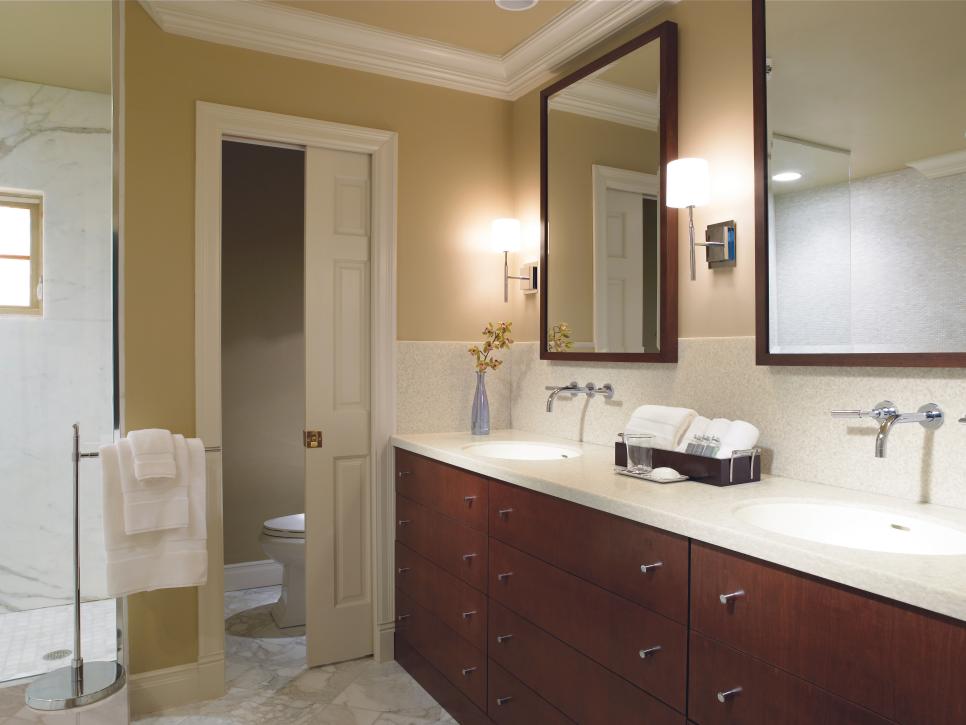
Quartz Bathroom Countertops
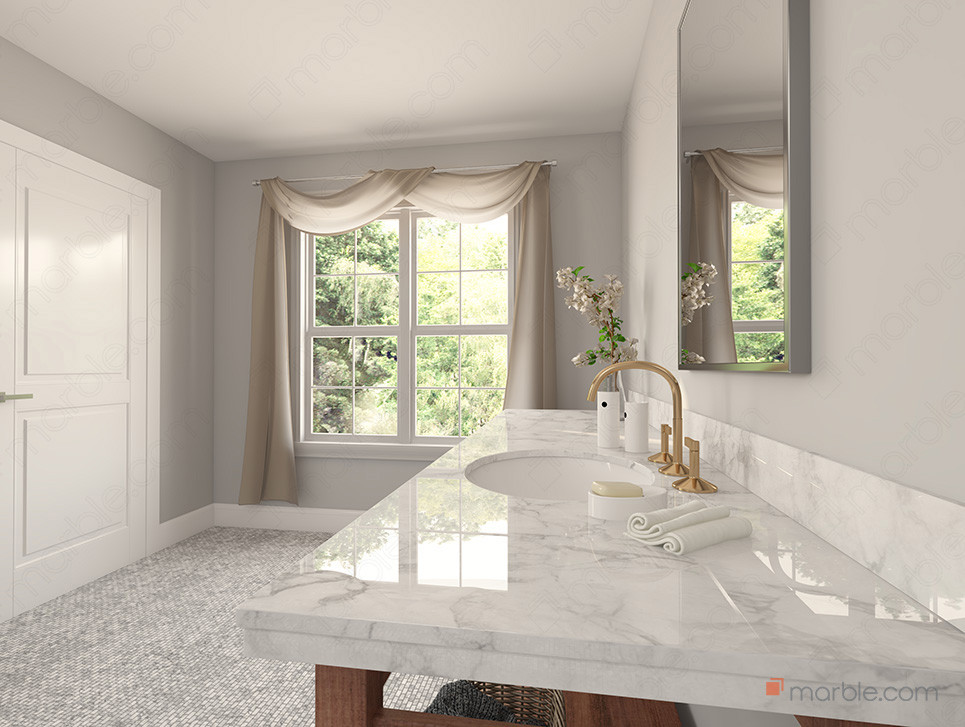
Best Bathroom Vanity Tops
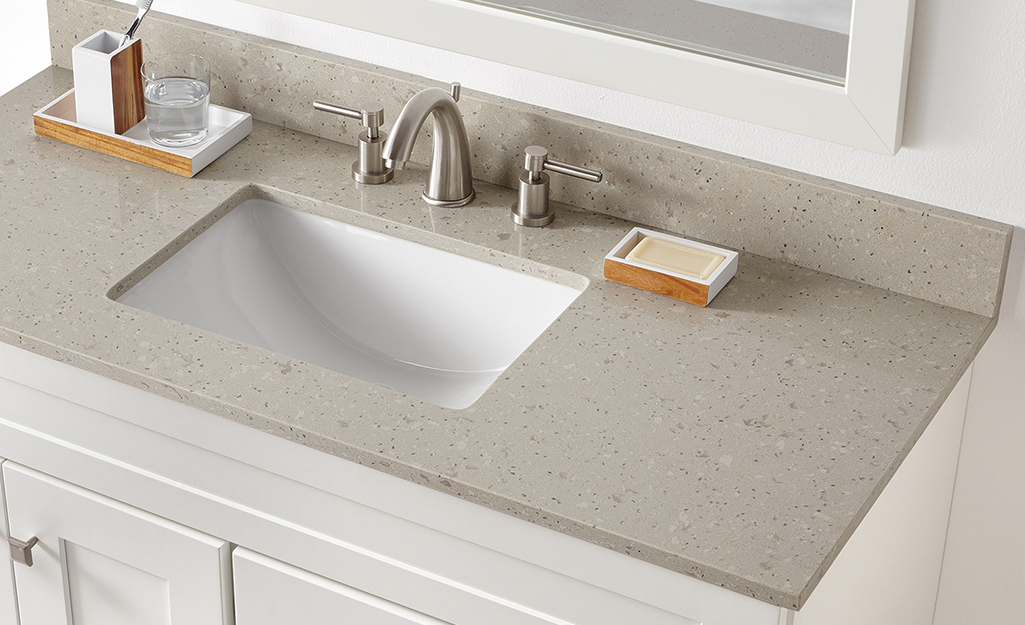
Related articles:
- Concrete Bathroom Countertop Ideas
- Farmhouse Bathroom Countertops
- Dark Bathroom Countertops
- White Bathroom Countertops
- Concrete Bathroom Countertops DIY
- Onyx Bathroom Countertops
- Bathroom Countertop Remodel
- Inexpensive Bathroom Countertops
- Resin Bathroom Countertops
- Walnut Bathroom Countertop
