When I renovated my master bathroom last year, I knew I wanted to capture that warm, inviting farmhouse aesthetic I’d fallen in love with. The countertop choice felt overwhelming at first because bathrooms have unique challenges like constant moisture, toiletries everywhere, and daily wear from grooming routines. After visiting countless showrooms and talking to my contractor about what would actually hold up in a humid environment, I found solutions that balanced beauty with practicality. Let me walk you through what I learned about creating farmhouse bathroom countertops that look amazing and function perfectly.
Marble for Timeless Elegance
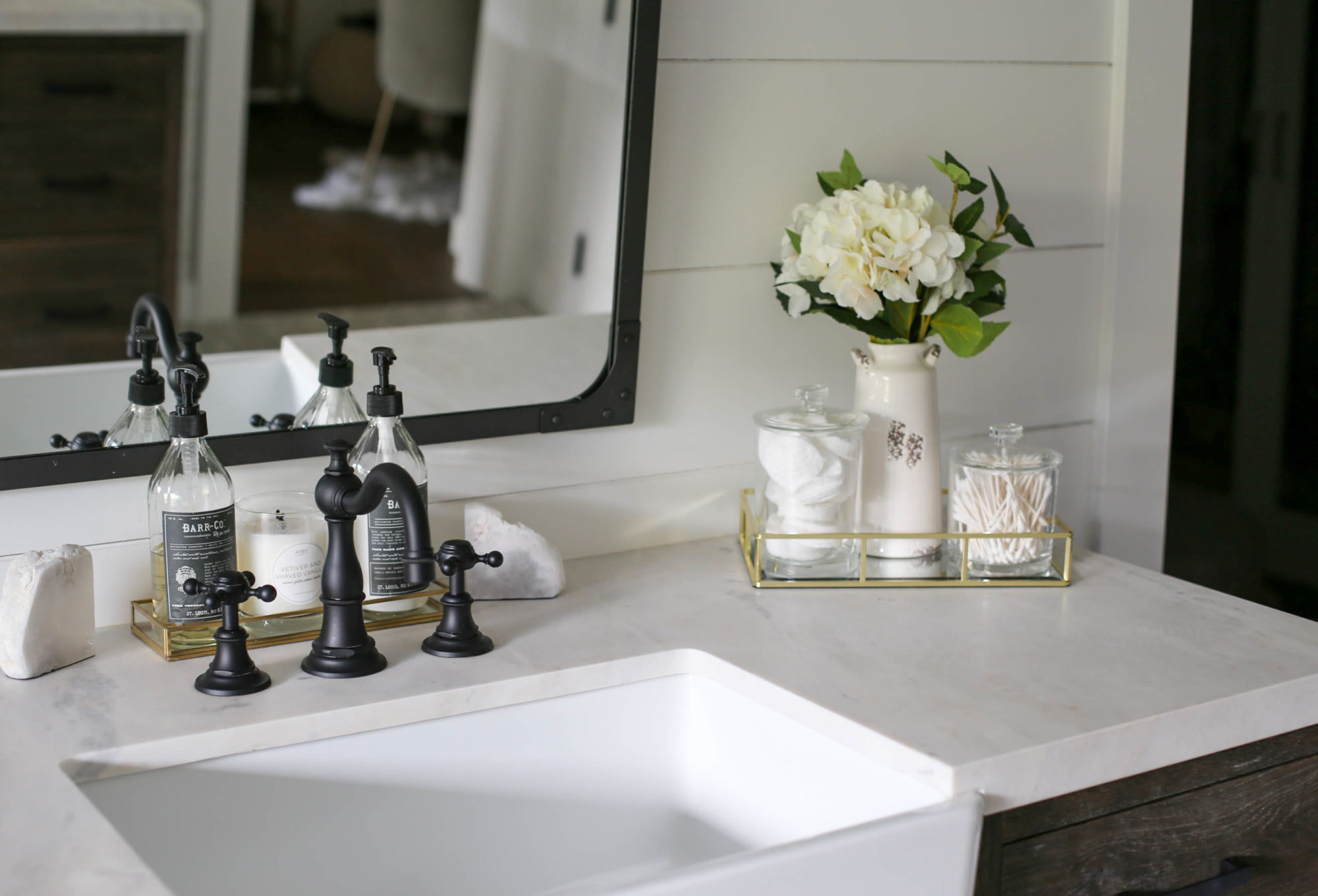
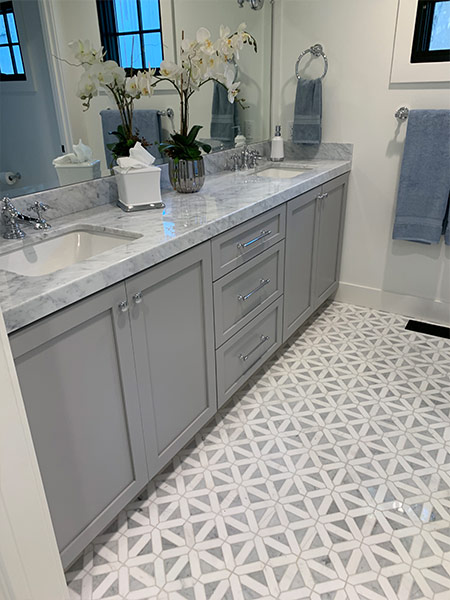
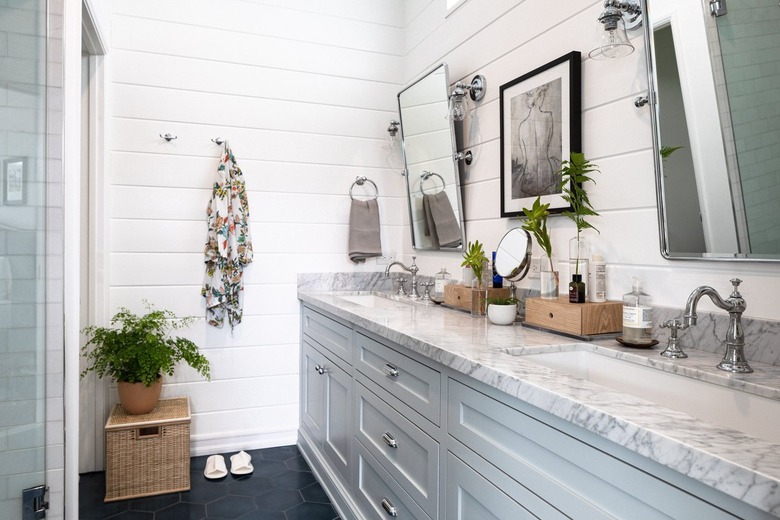
I chose Carrara marble for my main vanity, and it remains one of my favorite decisions. The soft white background with delicate gray veining creates exactly the elegant yet understated look I wanted. Walking into my bathroom each morning and seeing that beautiful natural stone makes me feel like I’m staying at a charming bed and breakfast rather than just getting ready for work.
The cost was reasonable at about $50 per square foot installed, especially considering I only needed enough for a 60-inch double vanity. I opted for honed marble rather than polished because the matte finish feels more authentic to farmhouse style. It also hides water spots better than glossy marble would, though I still wipe it down after my morning routine to prevent buildup.
I won’t pretend marble is carefree, because it’s not. I’ve gotten a few etches from acidic products like certain face washes and hair treatments. But honestly, those marks have become part of the stone’s character. I sealed it well when it was installed and resealed every six months. The patina that’s developing makes it look more authentic, like something that’s been in a farmhouse for generations rather than something I just bought.
Butcher Block for Warmth and Character
In my powder room, I went with a butcher block, and guests always comment on how welcoming it feels. I selected walnut instead of the lighter maple I’d considered because the rich chocolate tones create a cozy atmosphere in that small space. The wood grain adds visual interest and texture that stone just can’t match.
Installing a butcher block in a bathroom made some people question my sanity, but proper sealing makes all the difference. I used a waterproof wood sealer specifically designed for high-moisture environments, applying four coats and paying extra attention to the edges around the sink. Three years later, I’ve had zero issues with warping or water damage, even with kids who splash everywhere.
The maintenance routine is simple. I wipe it down daily and reapply sealer every three months, which takes about fifteen minutes. The wood has darkened slightly over time, developing a deeper, richer tone that I absolutely love. Small scratches from dropped items blend right into the grain. For anyone wanting warmth and natural beauty in their farmhouse bathroom, butcher block is worth considering despite the extra care it requires.

Soapstone’s Natural Durability
My guest bathroom features soapstone countertops, and they’ve proven incredibly practical for a high-traffic space. The dark gray color with subtle white veining provides gorgeous contrast against the white beadboard walls and vintage-style fixtures. Soapstone has been used in farmhouses for centuries because it’s naturally non-porous and resistant to staining, making it perfect for bathroom use.
What I appreciate most is how forgiving soapstone is. When guests accidentally leave wet items on the counter or spill makeup remover, I don’t panic. The stone can handle it without etching or staining. It stays naturally cool to the touch, which feels refreshing during the summer months. The surface also has a soft, almost soapy feel that’s pleasant under your hands.
The stone darkens over time as it oxidizes, developing a richer charcoal color. I speed this process along by occasionally applying mineral oil, which brings out the depth and evens the color. Light scratches can appear since soapstone is relatively soft, but they’re easily buffed out with fine sandpaper. I’ve done this maybe twice in two years. The cost ran about $70 per square foot installed, higher than some options but worth it for the combination of beauty and durability.

Quartz with Farmhouse Appeal
I know quartz gets dismissed as too modern for farmhouse style, but hear me out. In my kids’ bathroom, I installed quartz that mimics Carrara marble, and it gives me the look I want without the maintenance marble requires. With three children constantly using that space, I needed something bulletproof that could handle toothpaste, soap scum, and whatever else gets spilled without me worrying constantly.
The key to making quartz work in a farmhouse bathroom is choosing the right pattern and finish. I avoided anything with obvious repetition or too-perfect veining. The slab I selected has subtle, natural-looking movement and a honed finish rather than glossy. From a few feet away, most people can’t tell it’s not real marble. It costs about $65 per square foot installed, more than real marble but less than I’d spend replacing damaged marble down the road.
Living with it has been effortless. I clean with regular bathroom cleaner, and it looks perfect every time. No sealing, no etching, no staining when someone leaves their retainer cleaner sitting on the counter. For a family bathroom where function matters as much as form, quartz gave me farmhouse beauty with modern practicality. I have no regrets about this choice, even though it’s not technically a traditional material.

Concrete for Industrial Farmhouse Style
My laundry room has a sink with a concrete countertop, and it perfectly bridges the gap between rustic farmhouse and industrial style. I worked with a local artisan who hand-troweled the concrete to create subtle texture and variation. We mixed in warm gray pigment so it doesn’t look cold or sterile, and the result feels both modern and timeless.
Concrete is incredibly versatile for customization. We created an integrated sink, meaning the counter and sink are one seamless piece. This eliminates the rim where gunk accumulates around drop-in sinks. The fabricator also added a slight drain groove near the sink, a practical detail that prevents water from pooling. These custom touches made the space feel thoughtfully designed rather than generic.
The durability has exceeded my expectations. I use this sink for everything from hand-washing delicates to rinsing muddy gardening tools, and the concrete handles it all. I sealed it with a penetrating sealer that protects without creating a glossy surface. A few small stains have developed, but they blend into the overall patina. At $80 per square foot, it wasn’t cheap, but the custom work and one-of-a-kind result justified the investment.

Mixing Materials for Authentic Character
One approach I took in my master bath was combining materials on a single vanity, and it created exactly the collected, lived-in feel I wanted. My 72-inch double vanity has marble on the main counter area and a reclaimed wood shelf underneath for towel storage. The combination of sleek stone and rustic wood feels authentically farmhouse, like pieces that were gathered over time rather than bought as a matching set.
I’ve seen other successful combinations in friends’ homes. One neighbor has a marble top with a wooden apron front on her vanity that adds warmth. Another friend combined soapstone on the main counter with a small marble tray for perfumes and jewelry. These mixed-material approaches prevent the space from feeling too matchy or sterile, adding layers of interest that pure farmhouse style is known for.
The key to mixing successfully is ensuring materials complement rather than compete. I stuck with neutral tones, my white marble and warm walnut wood share similar undertones. The materials also serve different purposes, stone where water exposure is highest, wood in drier zones. This practical distinction makes the design feel intentional rather than random. Planning these combinations took extra time, but the depth and character they bring to my bathroom make it feel special every single day.
What’s the most practical countertop material for a bathroom?
From my experience, quartz offers the best combination of farmhouse looks and practical performance in bathrooms. It doesn’t need sealing, resists staining from common bathroom products, and handles moisture without issues. Soapstone is my second choice for practicality since it’s naturally non-porous and very forgiving. If you’re willing to maintain it, marble can work beautifully. I’d avoid butcher block in a kids’ bathroom but love it in my powder room where moisture exposure is minimal and controlled.
How do I prevent water damage around bathroom sinks?
Proper sealing is everything. I made sure my installer used a waterproof caulk where the countertop meets the backsplash and around all sink edges. For stone, I applied penetrating sealer paying extra attention to cut edges near plumbing. With butcher block, I used marine-grade sealer. I also wipe up standing water promptly and keep a small squeegee handy. After three years, I’ve had zero water damage because I stay on top of these simple habits. Prevention is easier than repair.
Can I install farmhouse bathroom countertops myself?
Some materials are DIY-friendly while others aren’t. I installed my own butcher block counter in the powder room and saved hundreds of dollars. It just required careful measuring, a circular saw, and patience with the sealing process. Stone countertops like marble and soapstone need professional installation because of the weight and precision required. Concrete definitely needs a pro unless you have specific experience. Quartz always requires professional installation. Consider your skill level honestly before deciding what to tackle yourself.
How much should I budget for farmhouse bathroom countertops?
My costs ranged significantly by material. Butcher block was most affordable at $35-50 per square foot installed. Marble ran $50-70 depending on the type. Quartz cost $60-80 per square foot. Soapstone was $70-90 installed. Custom concrete topped out at $80-100 per square foot. Remember bathroom counters are smaller than kitchen counters, so even pricier materials stay manageable. My largest vanity cost about $800 total for materials and installation, which felt reasonable for something I’ll use daily for years.
:strip_icc()/101661794-488abe2325bb4e9da8980be4fc681616.jpg)
What mistakes should I avoid with bathroom countertops?
Don’t choose materials solely for looks without considering maintenance, I learned this watching friends regret high-maintenance choices. Avoid glossy finishes in bathrooms as they show every water spot and fingerprint. Don’t skip proper sealing, even on materials that seem impervious. I also recommend avoiding extremely light grout if you’re doing tile counters, it shows every stain. Finally, don’t forget about the backsplash, it needs to coordinate with your counter and protect your walls from moisture. Plan the whole look together.
How do I maintain different bathroom countertop materials?
My marble gets wiped daily with pH-neutral cleaner and resealed every six months. The butcher block needs resealing quarterly with waterproof sealer, which takes fifteen minutes. Soapstone occasionally gets mineral oil to enhance darkening and even out color. My quartz requires only regular bathroom cleaner, nothing special. The concrete gets wiped down with mild soap and was resealed once after the first year. Each material has its rhythm, and once you establish routines, the maintenance becomes automatic rather than burdensome.
FREE Estimates for,NEW KITCHEN COUNTERTOPS,QUARTZ,GRANITE
Related articles:
- Concrete Bathroom Countertop Ideas
- Farmhouse Bathroom Countertops
- Dark Bathroom Countertops
- White Bathroom Countertops
- Concrete Bathroom Countertops DIY
- Onyx Bathroom Countertops
- Bathroom Countertop Remodel
- Inexpensive Bathroom Countertops
- Resin Bathroom Countertops
- Walnut Bathroom Countertop
