When I first considered white marble countertops for my kitchen, I was drawn to their timeless charm and subtle elegance. They have a way of making a space feel brighter, cleaner, and more open, which was exactly what I wanted after years of living with darker surfaces that seemed to absorb light. But as I learned through my renovation journey, choosing marble is about more than just beauty; it’s about understanding its care needs, its strengths, and the role it will play in daily life. I quickly realized that marble isn’t a “set it and forget it” choice, but rather a living material that responds to how you use it. For me, that was part of the appeal, because I love it when home elements tell a story over time. Here’s what I discovered while living with and loving my white marble surfaces.
Choosing the Right Type of White Marble
When I began my search, I quickly learned that not all white marbles are the same, and the differences can be subtle yet significant. Carrara marble has a softer, more muted veining, which gives a relaxed, classic look, while Calacatta offers bolder, more dramatic patterns that instantly catch the eye. My kitchen leaned toward a cozy, timeless style, so Carrara felt like the perfect match. Each type has its own personality, so it’s important to choose one that fits the tone of your space, whether you want understated elegance or a striking centerpiece.
I also noticed how slight differences in undertones could completely change the effect. Some marbles lean warmer with creamy or beige undertones, while others have a cooler, crisp white base that feels modern and fresh. In a sunny kitchen, a cooler marble can keep the space feeling bright, while in a dimmer room, warmer tones can bring a sense of comfort. Viewing slabs in person rather than relying on photos helped me appreciate these differences and choose the right fit.
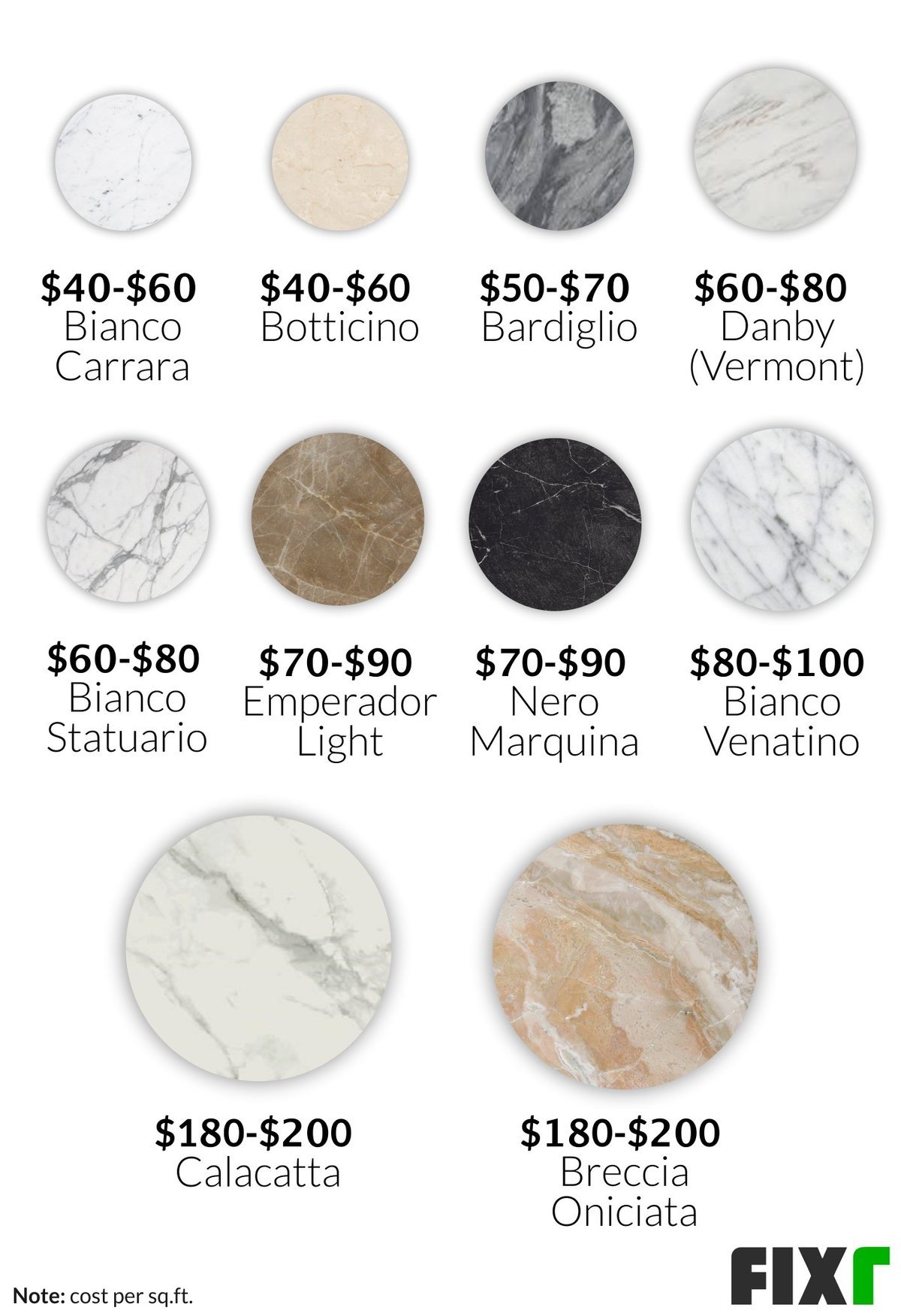
Lastly, the budget was an important factor. Calacatta tends to be more expensive due to its rarity and distinct veining, while Carrara is generally more affordable yet still beautiful. By visiting multiple suppliers and comparing prices, I found a balance between quality, appearance, and cost. I also learned that slab thickness and finishing can affect the price, so discussing these details upfront helped me make an informed choice without blowing my budget.

The Beauty of Veining Patterns
One of the things I fell in love with about marble was its veining. No two slabs are exactly alike, which means my countertops are truly one-of-a-kind. Some slabs have fine, subtle lines that look almost like watercolor strokes, while others showcase thick, flowing patterns that make a bold statement. I chose something in between, with veining that’s visible but not overpowering, which keeps the space balanced and inviting.
I learned that the way a slab is cut can completely change the pattern’s appearance. A cross-cut can create more movement, almost like waves, while a vein-cut produces a more linear, organized look. For my kitchen island, I went with a vein-cut to complement the straight lines of the cabinetry and keep the design cohesive. It’s a detail that not everyone notices right away, but it makes a big difference in the overall look.
Matching the veining across seams was another consideration I didn’t expect to be so important. I asked the fabricator to bookmatch the marble, meaning the patterns mirror each other at the joint. It’s a subtle feature, but it gives the finished countertop a more intentional and high-end appearance. This extra step made me appreciate how much craftsmanship goes into working with natural stone.
Practical Care and Maintenance
One thing I knew going in was that marble requires care, and living with it has only confirmed that. Marble is softer and more porous than granite or quartz, so it can scratch, stain, and etch more easily. To protect my countertops, I had them sealed right after installation and set a schedule for resealing every six months. This has made a noticeable difference in preventing stains and has given me peace of mind when cooking.
I also developed a habit of wiping spills right away, especially from acidic foods like lemon juice, vinegar, or tomato sauce, which can leave dull marks on the surface. A simple mixture of mild soap and warm water has been my go-to cleaning solution, and I’ve learned to avoid harsh chemicals or abrasive scrubbers that could damage the marble’s finish. Keeping the cleaning process simple has actually made it easier to stay consistent.
For everyday cooking, I keep cutting boards and trivets within reach to prevent deep knife marks and heat damage. While I’ve accepted that a few scratches and etches are inevitable, I’ve grown to see them as part of the countertop’s evolving character. Over time, the surface tells the story of family meals, gatherings, and daily life, and that’s something I’ve come to appreciate.
Styling White Marble in the Kitchen
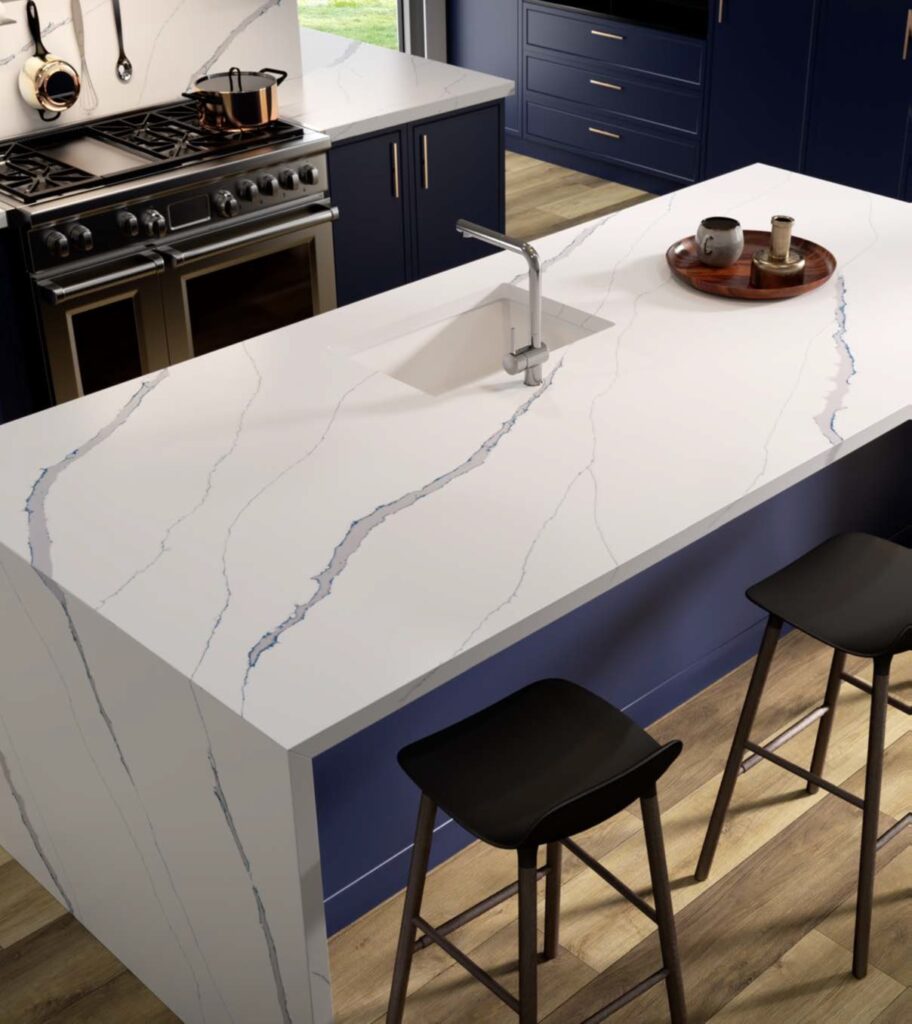
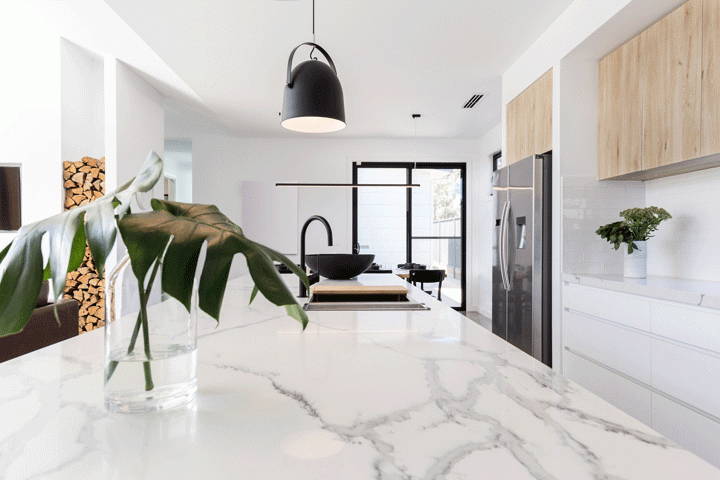
Styling a kitchen around white marble is a joy because it works with so many design themes, from rustic farmhouse to sleek modern. I paired mine with warm wood cabinets for a cozy contrast, but I’ve also seen it look stunning with deep navy or matte black cabinetry for a dramatic effect. White-on-white kitchens are also beautiful, with the marble adding depth and subtle texture rather than blending in completely.
Lighting plays a surprisingly big role in bringing out the beauty of marble. Under-cabinet lighting highlights the veining and creates a soft glow in the evenings, while natural daylight reflects beautifully off the polished surface, making the kitchen feel larger and more open. In my own space, the combination of daylight and warm evening lighting keeps the marble looking inviting no matter the time of day.
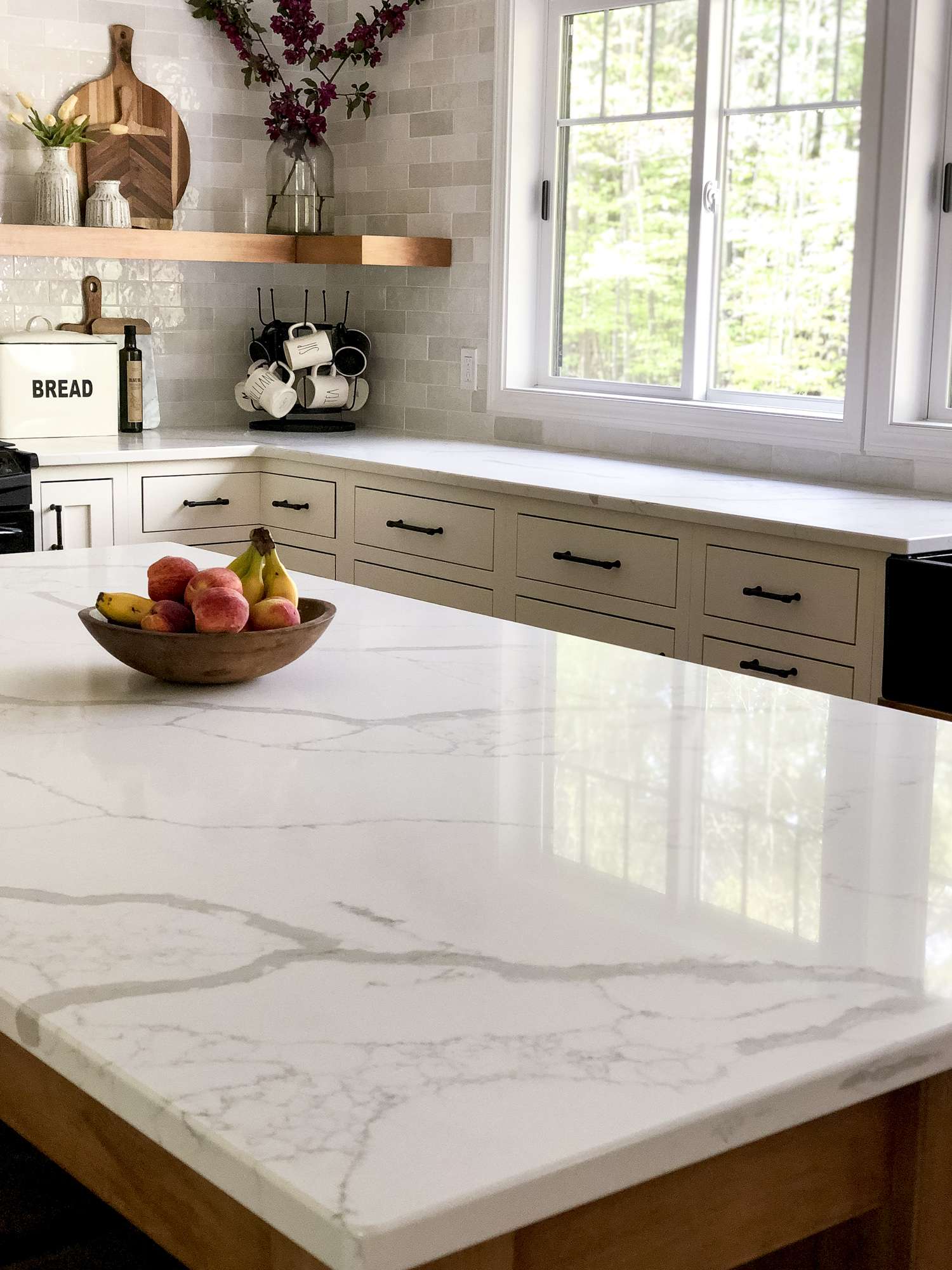
Accessories are another way to highlight marble’s natural beauty. I keep my countertops fairly uncluttered so the stone remains the focal point. A few well-chosen items, like a marble utensil holder, a wooden breadboard, and a small vase of fresh flowers, give the space personality without distracting from the countertop’s elegance.

Pros and Cons to Keep in Mind
Living with white marble has taught me that it’s not for everyone, but for those who appreciate natural beauty, it’s hard to beat. On the positive side, marble is stunning, timeless, and adds undeniable value to a home. It also develops a patina over time, which I personally love because it reflects the life lived in the space. Every little mark and variation tells part of the story.
However, marble is higher maintenance compared to materials like quartz or granite. If you’re looking for something completely worry-free, it might not be the best choice. Marble owners have to be okay with the possibility of small stains, scratches, and etches, even with careful use. For some, this is a deal-breaker, but for me, it’s part of the charm.
Despite the upkeep, I wouldn’t trade my marble countertops for anything else. The warmth, individuality, and sense of craftsmanship they bring to my kitchen outweigh the effort of caring for them. Every time I walk into the kitchen, I’m reminded of why I chose them in the first place.

Tips for Buying and Installing
If I could give one piece of advice to anyone buying white marble, it would be to choose the exact slabs yourself. Pictures online rarely capture the depth, color variations, and veining patterns that make marble so special. Standing in front of the slab, you can better imagine how it will look in your home and whether the tone and pattern fit your vision.
Working with an experienced fabricator is also essential. Marble is a natural stone that requires skill to cut and finish properly. The way it’s edged, the precision of the seams, and even the placement of veining can make or break the final look. I chose a simple eased edge for my countertops, which gave them a clean and classic finish that will never go out of style.
Finally, think honestly about how you use your kitchen. If you cook daily and entertain often, be prepared to maintain the stone and accept a few imperfections along the way. With good sealing, mindful use, and an appreciation for the natural beauty of stone, marble countertops can be one of the most rewarding additions to your home.

Is white marble good for a busy kitchen?
Yes, but only if you’re comfortable with regular maintenance and the natural patina it develops over time. Sealing helps protect it, but spills should be wiped quickly to prevent stains. In my busy kitchen, I’ve learned to accept small etches as part of the charm, and they’ve never taken away from its overall beauty.
How much does white marble cost compared to other countertops?
It depends on the type and rarity. Carrara marble is usually more affordable, while Calacatta is at the higher end. Overall, marble tends to be more expensive than laminate but can be comparable to or slightly higher than quartz. I found that shopping around and comparing slabs helped me save a noticeable amount.

Does white marble stain easily?
It can if not properly sealed. I’ve found that sealing every six months and wiping spills right away prevents most staining. Dark liquids like coffee, red wine, and certain oils are the biggest risks, so I’m extra careful when cooking or entertaining. The effort is small compared to the payoff in beauty.
Can you cut directly on marble?
Technically yes, but it’s not a good idea. Marble can scratch, and knives can dull quickly. I always use a cutting board to protect both the marble and my knives. Over time, it’s become a habit I don’t even think about anymore, and it’s kept my counters looking fresh much longer.

How does marble handle heat?
Marble is heat-resistant but not heat-proof. Placing hot pans directly on the surface can cause discoloration or even cracks in extreme cases. I use trivets and heat pads as a rule, and this habit has kept my marble in excellent condition despite daily cooking.
Is marble kid and pet-friendly?
It can be, but you have to expect a few more marks and scratches over the years. In my home, the kids know to use placemats and coasters, and even with a dog running around, the countertops still look beautiful with proper care. If you accept that perfection isn’t the goal, marble works well in family homes.

How Much do Different Countertops Cost? CounterTop Guides
Affordable Quartz that Look Like Marble – Grace In My Space
Related articles:
- Tuscan Marble Countertop
- Italian Marble Countertops
- Modern Marble Countertops
- Marble Countertops Design
- Refinishing Cultured Marble Countertops
- White Marble Countertops
- Marble Countertops Backsplash
- DIY Refinishing Cultured Marble Countertops
- Marble Countertops In Bathrooms
- Cultured Marble Countertops
