When I installed quartz countertops in my kitchen three years ago, the salesperson assured me they would be “practically maintenance-free” and “nearly indestructible.” While quartz has proven to be incredibly durable and beautiful, I quickly discovered that proper cleaning and maintenance require more knowledge than I initially expected. Through trial and error, spills, stains, and a few scary moments, I’ve developed a cleaning routine that keeps my countertops looking showroom-perfect every single day.
Daily Cleaning Routine That Works
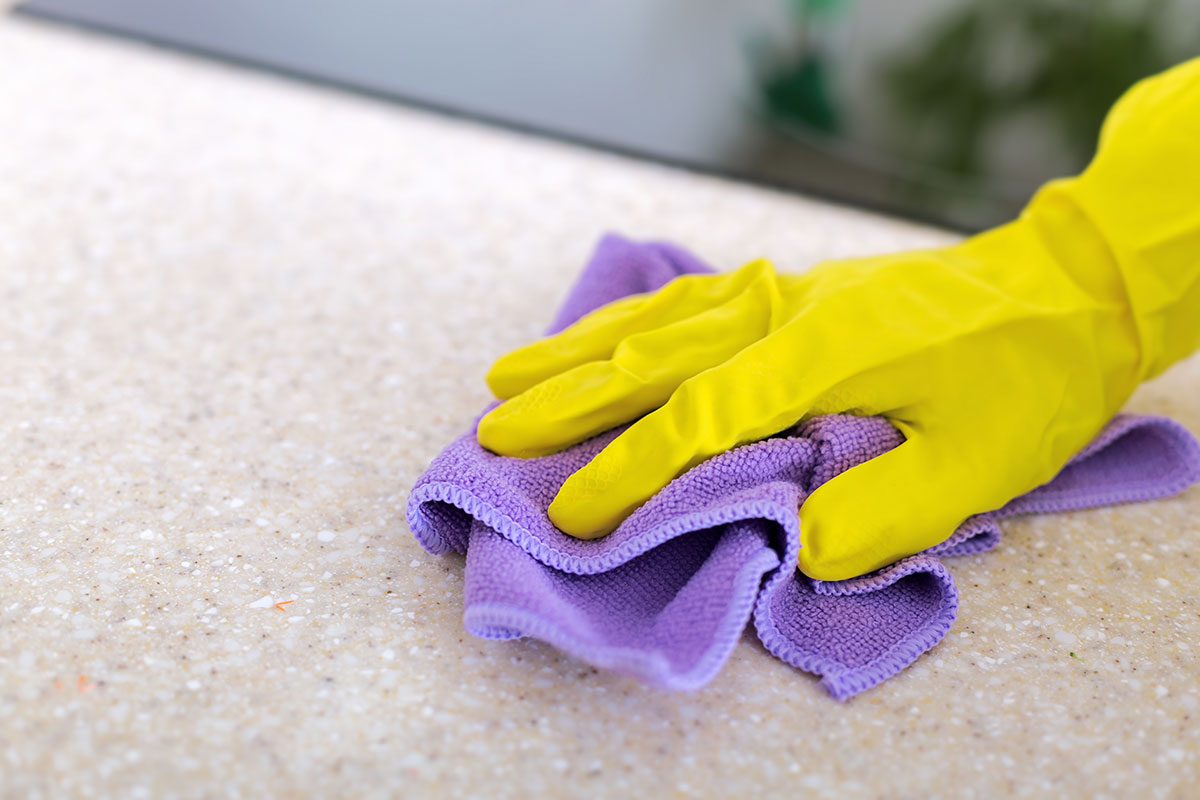
My daily quartz cleaning routine is surprisingly simple, but I learned the hard way that consistency is everything. Every morning after breakfast and every evening after dinner, I wipe down the entire surface with warm water and a microfiber cloth. This takes maybe two minutes but prevents the buildup of oils, crumbs, and water spots that can make the surface look cloudy over time. I keep a stack of clean microfiber cloths in my kitchen drawer specifically for this purpose.
For daily spills and messes, I’ve found that gentle dish soap mixed with warm water works perfectly for 95% of cleaning situations. I use about a teaspoon of soap in a spray bottle filled with water, and this solution handles everything from coffee spills to pasta sauce splatters without leaving residue or streaks. The key is using a clean microfiber cloth and wiping in circular motions, then following up with a dry cloth to eliminate any water spots.
I made the mistake early on of using whatever cleaning products I had on hand, including glass cleaners and multi-surface sprays. Some of these left a film on my quartz that took weeks to completely remove, even with proper cleaning. Now I stick to my simple soap and water solution for daily maintenance, and my countertops have maintained their original luster and shine throughout three years of heavy kitchen use.

Tackling Stubborn Stains and Spills
The first major stain I encountered was red wine that I didn’t notice until the next morning, and I panicked thinking I’d permanently damaged my beautiful countertops. After researching quartz-specific cleaning methods, I created a paste using baking soda and water, spread it over the stain, and let it sit for several hours before gently scrubbing with a soft brush. The stain lifted completely, and I learned that quartz is much more forgiving than I initially feared.
Grease stains from cooking turned out to be more challenging than water-based stains, but I developed an effective approach using degreasing dish soap and patience. For stubborn grease marks, I apply concentrated dish soap directly to the area, let it sit for 10-15 minutes, then scrub gently with a soft brush and rinse thoroughly. Sometimes I need to repeat this process twice, but it always works without damaging the surface or dulling the finish.
The trickiest stains I’ve dealt with are from permanent markers and paint, both courtesy of my artistic children. For these, I’ve found that rubbing alcohol on a clean cloth works wonderfully without affecting the quartz surface. I apply the alcohol, let it sit for a minute, then gently rub in circular motions. For really stubborn marks, I use a plastic scraper to gently lift the material before applying alcohol, always being careful not to scratch the surface.
What Cleaning Products to Avoid at All Costs
Through unfortunate experience, I learned that certain cleaning products can permanently damage quartz surfaces, even though they’re marketed as safe for stone. Bleach-based cleaners left cloudy spots on my countertops that required professional restoration to fix. I also discovered that products containing ammonia can cause discoloration over time, especially on darker quartz patterns, where the damage is more visible.
Abrasive cleaners and scrubbing pads are absolute enemies of quartz surfaces, something I learned when I tried to remove a stubborn stain with a scouring pad. The microscopic scratches it created caught light differently and created a dull spot that stood out terribly against the glossy finish. Professional restoration was expensive, and now I only use soft cloths, microfiber, or soft-bristled brushes on my countertops.
Acidic cleaners like vinegar and lemon-based products surprised me by causing etching on my quartz surface. I thought these natural cleaners would be safe, but they dulled the finish in several spots before I realized what was happening. I also avoid anything with citrus oils or essential oils, as these can leave residues that build up over time and attract dirt and bacteria.
Heat Damage Prevention and Recovery
I learned about quartz heat sensitivity the hard way when I placed a hot cast iron skillet directly on my countertop, leaving a permanent white mark that looked like a burn. While quartz is heat-resistant, it’s not heatproof, and temperatures above 300 degrees can cause thermal shock that creates permanent damage. Now I religiously use trivets and hot pads for anything that comes out of the oven or off the stovetop.
The heat damage on my countertop taught me that some types of damage to quartz simply cannot be repaired with home remedies. The thermal shock created a permanent discoloration that required professional restoration involving re-polishing the affected area. This repair cost $200 and took half a day, making it an expensive lesson in the importance of using proper protection for hot items.
Now I keep multiple trivets and hot pads strategically placed around my kitchen, and I’ve trained my family to never place hot items directly on the countertop. I also learned to be cautious with small appliances like coffee makers and slow cookers, ensuring they have adequate ventilation and don’t trap heat against the quartz surface. Prevention is so much easier and cheaper than trying to fix heat damage after it occurs.
Deep Cleaning and Restoration Techniques
Once a month, I do a deep cleaning of my quartz countertops using a specialized stone cleaner that I found at a local tile shop. This removes any buildup that daily cleaning might miss and restores the original shine to the surface. I spray the cleaner over the entire surface, let it sit for the recommended time, then wipe it off with a clean microfiber cloth, always finishing with a dry cloth to prevent water spots.
For minor scratches and scuff marks that accumulate over time, I use a quartz polish specifically designed for engineered stone. I apply it with a soft cloth, work it into the surface using circular motions, then buff it out with a clean cloth. This process removes minor imperfections and restores the glossy finish, making my three-year-old countertops look nearly new again.
I discovered that water spots and mineral deposits from our hard water can build up around the sink area, creating a cloudy appearance that daily cleaning doesn’t address. For these areas, I use a lime and mineral deposit remover designed for stone surfaces, applying it carefully and following the manufacturer’s instructions exactly. This quarterly treatment keeps the area around my sink looking as pristine as the rest of the countertop.

Long-Term Maintenance and Care Tips
After three years with quartz countertops, I’ve developed habits that keep them looking beautiful with minimal effort. I always wipe up spills immediately, use cutting boards religiously, and never place hot items directly on the surface. These simple practices have prevented 99% of potential problems, and my countertops still look as gorgeous as the day they were installed.
I keep a small collection of quartz-specific cleaning products under my sink, including the daily cleaner, monthly deep cleaner, and quarterly restoration polish. Having the right tools readily available makes maintenance much easier and ensures I’m not tempted to use inappropriate cleaners that could cause damage. I also maintain a stack of clean microfiber cloths exclusively for countertop cleaning.
The investment I made in quality quartz countertops has paid off beautifully over three years, and I expect them to look amazing for many years to come with proper care. The key is understanding that while quartz is incredibly durable, it still requires appropriate cleaning methods and protection from extreme heat. Taking care of these surfaces is quite simple once you establish the right routine and stick with it consistently.

How often should you deep clean quartz countertops beyond daily maintenance?
I deep clean mine monthly with specialized stone cleaner and do restoration polishing quarterly. This schedule keeps them looking perfect, though you might need more frequent deep cleaning if you do heavy cooking or have hard water. The monthly routine takes maybe 15 minutes, but makes a huge difference in appearance.
Can you use regular household cleaners on quartz countertops safely?
No, I learned this the hard way. Bleach, ammonia, vinegar, and abrasive cleaners can permanently damage quartz surfaces. I stick to gentle dish soap for daily cleaning and quartz-specific products for deep cleaning. It’s worth investing in proper cleaners to protect your expensive countertops from irreversible damage.
What’s the best way to remove water spots and mineral buildup from quartz?
I use a lime and mineral deposit remover designed for stone surfaces, quarterly, around my sink area. For daily water spot prevention, I always dry the surface with a clean microfiber cloth after cleaning. Hard water areas need more frequent attention, but proper drying prevents most buildup issues.
How do you repair minor scratches and scuff marks on quartz countertops?
Minor surface scratches can often be buffed out using quartz polish and a soft cloth in circular motions. I do this monthly as part of my maintenance routine. Deeper scratches or gouges require professional restoration. Prevention with cutting boards and proper care is much easier than trying to fix damage.

Is it worth hiring professionals for quartz countertop maintenance?
For major damage like heat marks or deep scratches, yes. I paid $200 for professional restoration of heat damage, and it was worth every penny. For routine maintenance, I handle it myself using proper products. Professional deep cleaning annually might be worth it if you want perfect results.
What’s the biggest mistake people make when cleaning quartz countertops?
Using inappropriate cleaners, especially acidic ones like vinegar or abrasive products. I damaged my countertops early on by using whatever cleaner I had available. Now I only use gentle dish soap daily and quartz-specific products for deeper cleaning. Reading product labels carefully is essential for preventing expensive damage.
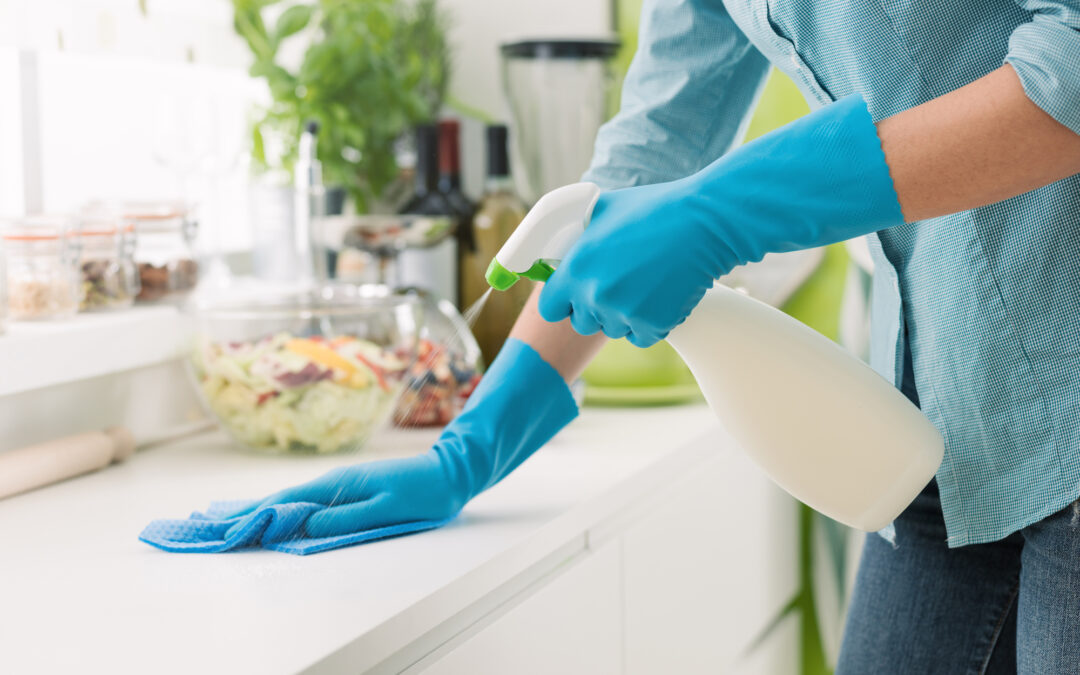
The Only How To Clean Quartz Countertops Guide You Will Ever Need
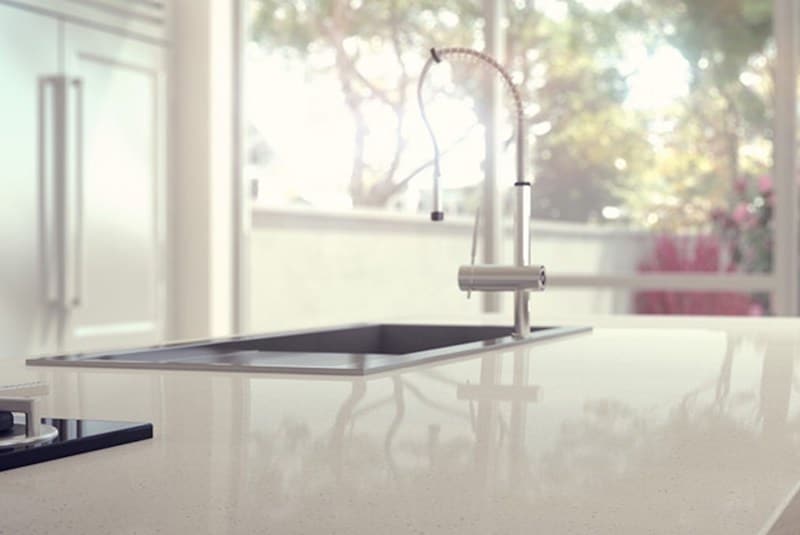
Related articles:
- Farmhouse Quartz Countertops
- Retro Quartz Countertops
- Modern Quartz Countertops
- Vanity With Quartz Countertop
- Caesarstone Quartz Countertops
- Quartz Countertops Cleaning
- Quartz Countertops Tile Backsplash
- Beveled Edge Quartz Countertop
- Quartz Countertop Choices
- Quartz Countertop Types
