When I decided to install Calacatta marble countertops in my kitchen three years ago, everyone thought I was crazy. Friends warned me about staining, etching, and constant maintenance. My contractor raised his eyebrows and asked if I was sure. But I’d fallen completely in love with the dramatic veining and luminous quality of marble, and I was determined to make it work in my modern space. Now, after living with these countertops through daily cooking, wine spills, and real life, I can share the truth about what it’s really like to own marble countertops in a contemporary home.
Choosing the Right Marble: Beyond Carrara
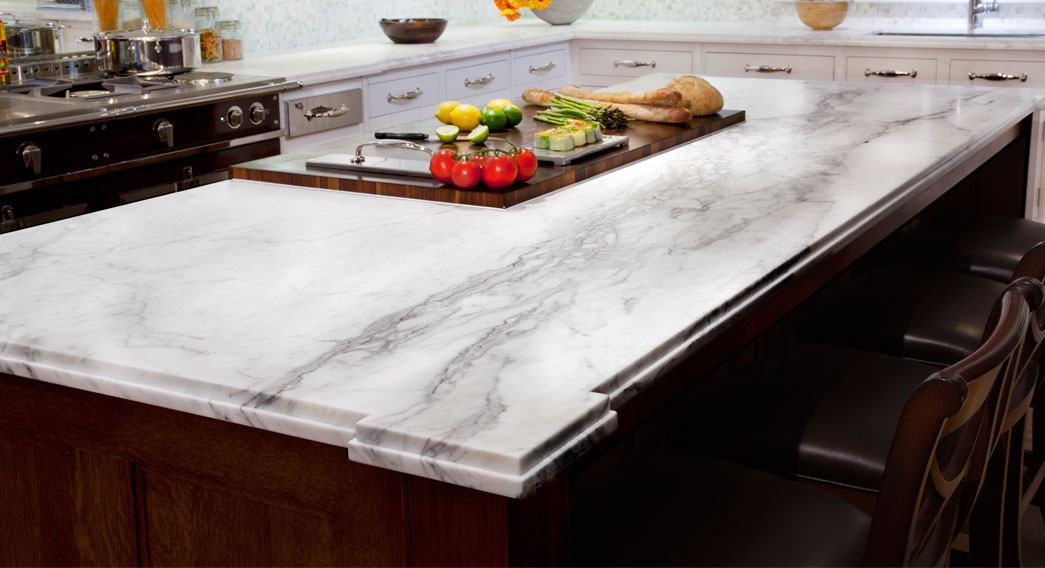
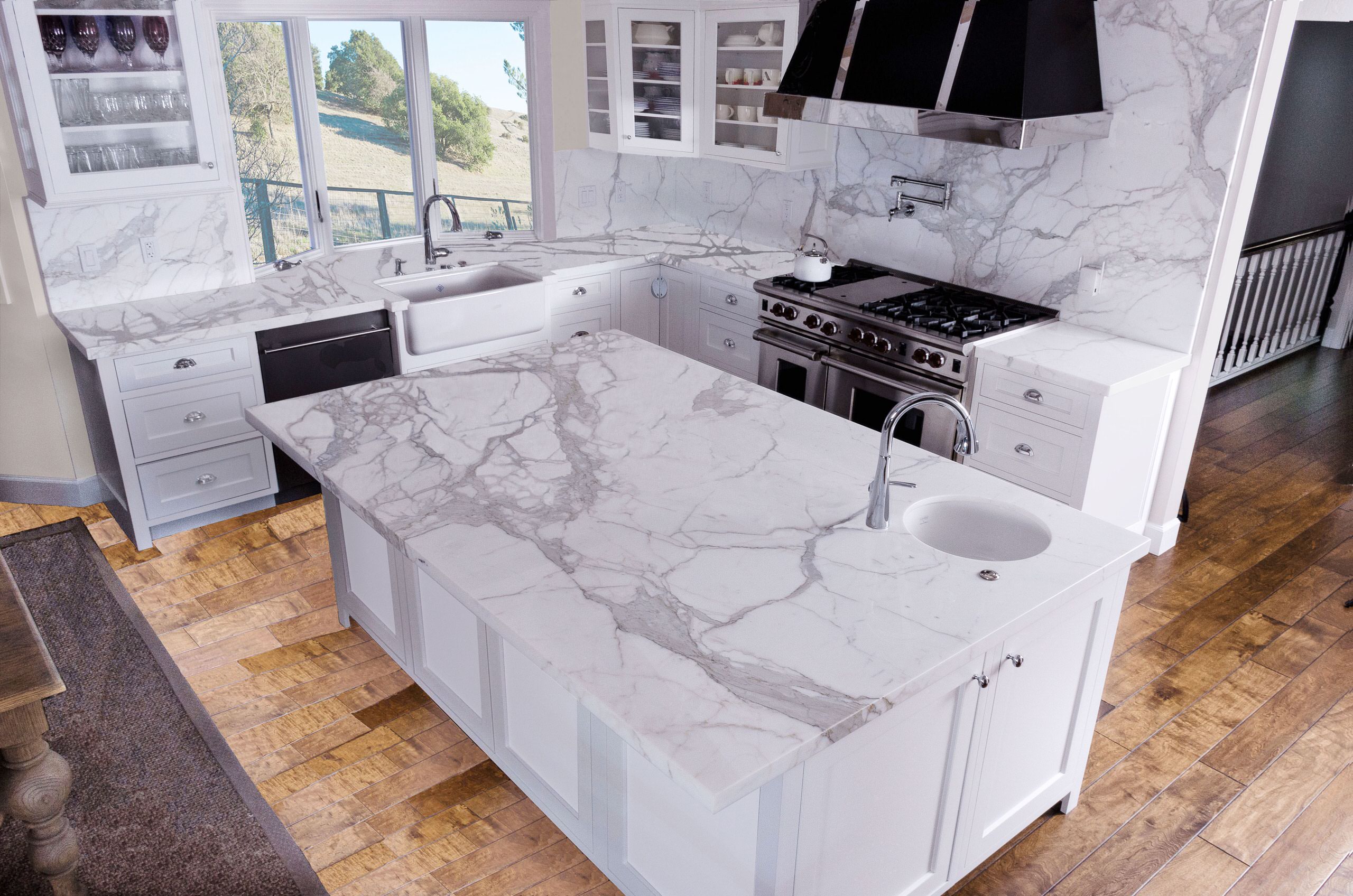
My marble journey started with Carrara because it’s the most affordable and widely available option. I loved its soft gray veining, but after visiting multiple stone yards, I realized that modern design called for something with more drama. I ultimately chose Calacatta marble, which features bold, striking veining in warm gold and cool gray tones against a bright white background. The investment was significant, nearly double the cost of Carrara, but the visual impact transformed my entire kitchen.
What I learned during the selection process is that every slab is unique. I spent hours at the stone yard, walking between slabs and imagining how each one would look in my space. Some had veining that was too busy, others too subtle. I took photos, brought paint samples, and even sketched how the veining would flow across my kitchen layout. This careful selection process ensured I got exactly the look I wanted rather than settling for whatever was available.
I also discovered different marble varieties I’d never heard of, like Statuario with its dramatic gray veining, or Nero Marquina with its striking black background and white veins. For modern spaces, I found that marbles with bold, graphic veining patterns work better than subtle varieties. The key is matching the marble’s character to your overall design aesthetic. My Calacatta’s bold veining serves as the focal point in my minimalist white kitchen, creating the perfect balance between simplicity and drama.
The Reality of Marble Maintenance and Care
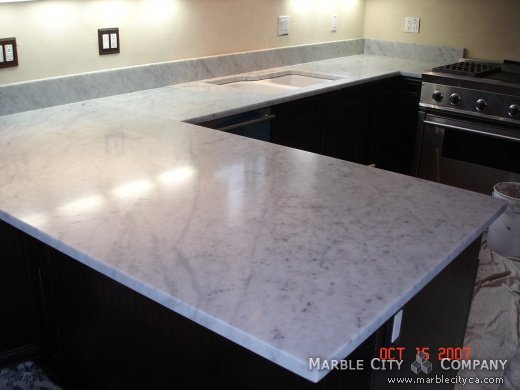
Let me be completely honest about maintenance because this is where most people get scared off. Marble is porous and susceptible to etching from acidic substances, which means it requires more attention than engineered stone. However, I’ve found the routine less burdensome than the horror stories suggested. The secret is developing good habits and accepting that marble will develop a patina over time, which I’ve actually learned to love.
I seal my countertops every six months using a high-quality penetrating sealer. The process takes about thirty minutes and involves wiping on the sealer, letting it absorb, then buffing off the excess. Between sealings, I’m vigilant about wiping up spills immediately, especially wine, lemon juice, and tomato sauce. I use coasters religiously and have a beautiful collection of marble and cork trivets that protect the surface from hot pans while adding to the kitchen’s aesthetic.
Daily cleaning involves nothing more than warm water and a pH-neutral stone cleaner. I avoid vinegar-based cleaners and anything acidic that could etch the surface. When etching does occur, and it has in a few spots, I’ve learned to view it as character rather than damage. These small marks tell the story of meals prepared and memories made. For deeper etching, I’ve had professional polishing done once, which restored the surface beautifully and cost far less than I expected.
Modern Design Approaches: Breaking Traditional Rules
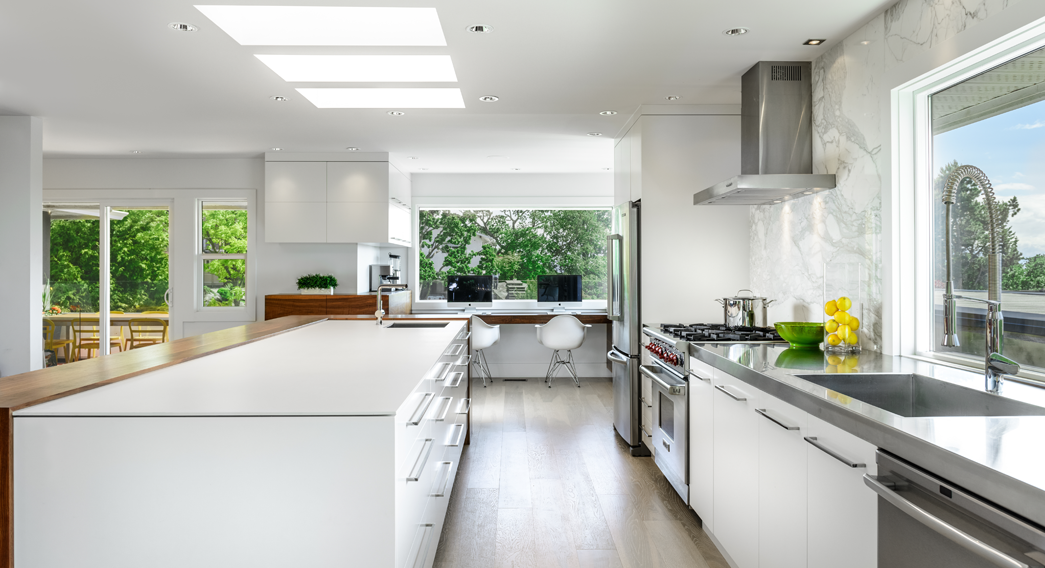
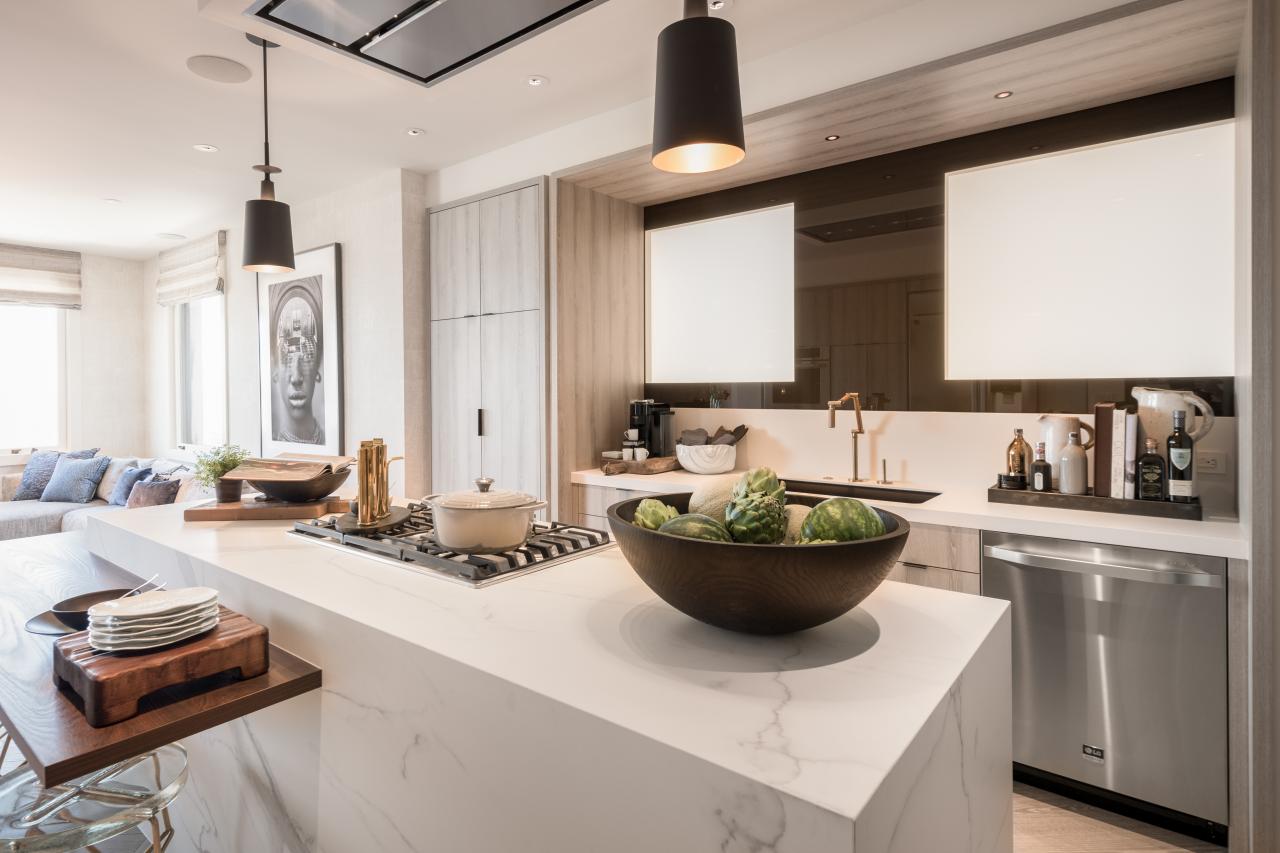
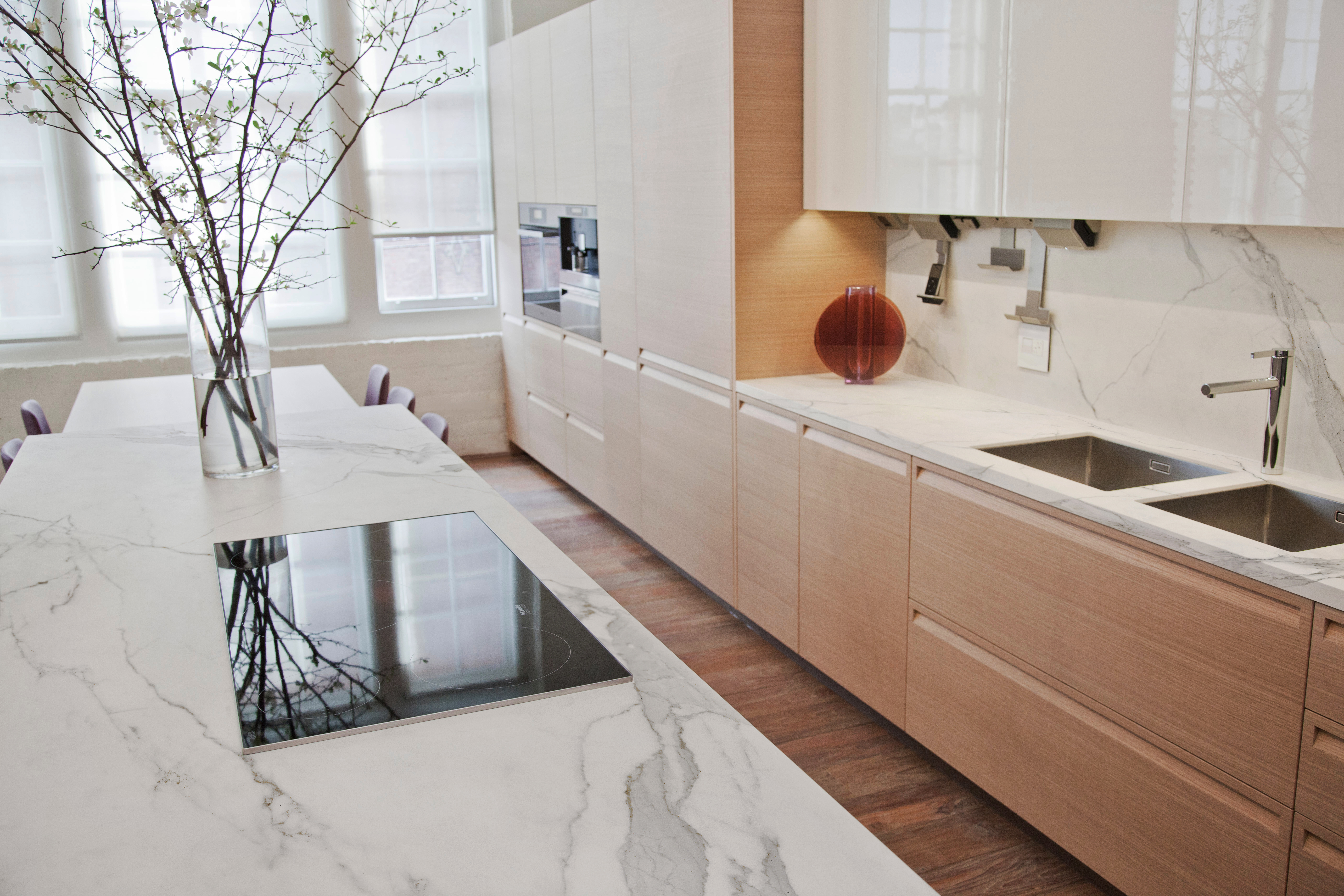
Modern marble installations differ significantly from traditional approaches, and understanding this helped me create a contemporary look rather than something that felt dated or overly formal. In modern design, marble is often used in unexpected ways, like extending it up the wall as a backsplash or waterfall edge on an island. I chose a dramatic waterfall edge that showcases the continuous veining from countertop to floor, creating a stunning sculptural element.
The key to keeping marble modern is pairing it with contemporary elements. My sleek flat-panel cabinets, minimalist hardware, and industrial lighting fixtures prevent the marble from feeling too traditional or ornate. I also opted for thicker slabs, 3cm rather than the standard 2cm, which gives the countertops a more substantial, architectural presence that feels decidedly contemporary rather than classic.
Color coordination plays a crucial role in modern marble installations. I kept everything else in my kitchen neutral, using crisp white cabinets and light gray walls that allow the marble to be the star. The stainless steel appliances and matte black fixtures provide contrast without competing with the marble’s natural beauty. This restrained approach lets the stone’s inherent drama shine without overwhelming the space or making it feel busy.
Cost Considerations and Budget Planning
Installing marble countertops was the single largest expense in my kitchen renovation, and I want to be transparent about the investment required. My Calacatta marble cost approximately $180 per square foot installed, which included fabrication, edge profiling, and installation. For my 45 square feet of countertop space, the total came to just over $8,000. This was significantly more than quartz or granite would have cost, but the unique beauty justified the expense for me.
I made strategic decisions to maximize my budget without compromising the overall look. Instead of using marble for every surface, I limited it to the main countertops and island, using less expensive materials in the butler’s pantry and laundry room. I also chose a simpler edge profile, a straight edge rather than an ornate ogee, which saved on fabrication costs while maintaining the clean, modern aesthetic I wanted.
The long-term value of marble is worth considering in your budget planning. Unlike laminate or tile that might need replacement in ten years, properly maintained marble can last a lifetime and actually increases in value as it ages. I think of it as an investment in my home rather than just an expense. The timeless beauty of natural stone means it won’t go out of style like trendy materials might, making it a sound financial decision for the long term.
Living with Marble: What Three Years Have Taught Me
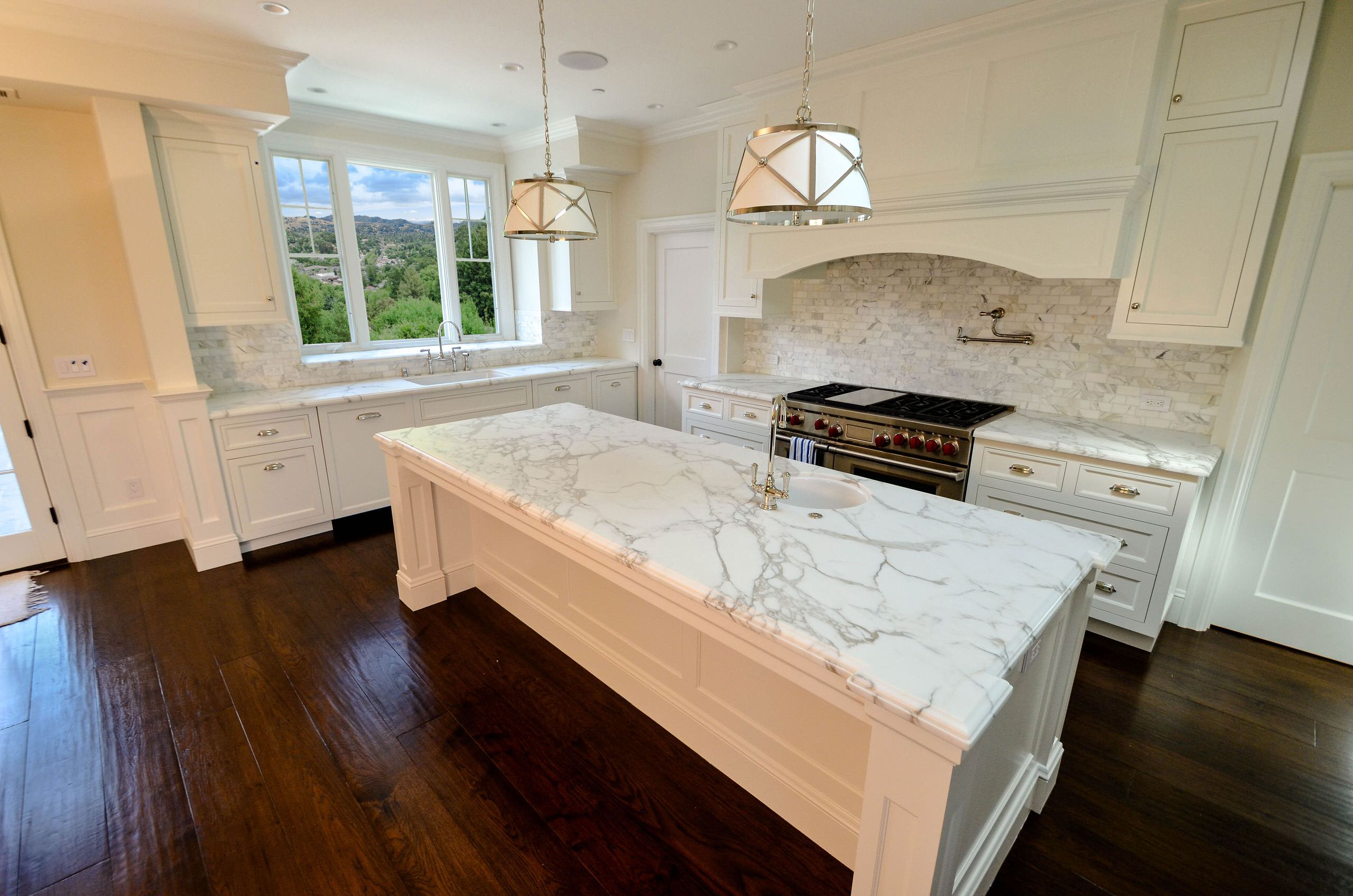
In the first few months with my marble countertops, I was incredibly anxious about every little mark and potential stain. I hovered over guests with coasters and panicked when someone set down a wine glass. But gradually, I relaxed and learned to live with the material rather than constantly worrying about it. The small imperfections that developed, a faint water ring here, a slight etch there, have become part of the countertop’s story and character.
I’ve learned which activities require extra caution and which are perfectly fine. Cutting directly on marble is never advisable, but I can roll out dough without worry. Hot pans need trivets, but warm dishes from the dishwasher are fine. Wine and citrus need immediate attention, but water spots dry without leaving marks. Understanding these nuances has made living with marble feel natural rather than stressful or restrictive.
The patina that’s developed over three years is honestly beautiful. The surface has a softer, more lived-in quality that I find even more appealing than the polished perfection of new marble. Small variations in the surface catch light differently, adding depth and interest. Friends who visit comment on how gorgeous the countertops look, never noticing the minor imperfections that initially worried me. I’ve realized that marble, like fine leather or old wood, actually improves with age and use.
Alternatives and Compromises for the Marble Look
For those who love the marble aesthetic but aren’t ready for the maintenance commitment, several alternatives can deliver similar beauty with more durability. Before committing to natural marble, I seriously considered porcelain slabs that mimic marble’s appearance. Modern porcelain technology has become incredibly sophisticated, with some products nearly indistinguishable from real stone. They offer the look without the porosity issues, though they lack marble’s natural depth and luminosity.
Quartzite is another option I explored extensively. Despite the similar name to quartz, quartzite is a natural stone that’s harder and less porous than marble. Many quartzites feature beautiful veining patterns similar to marble but with greater stain and etch resistance. The downside is that good quartzite costs as much as or more than marble, and it still requires sealing, so you’re not completely avoiding maintenance responsibilities.
Engineered quartz with marble patterns has improved dramatically in recent years. I looked at dozens of samples, and while none perfectly captured the depth and character of natural marble, some came surprisingly close. For families with young children or those who simply don’t want to worry about maintenance, these engineered options make a lot of sense. The key is managing expectations and understanding that while they look similar, they don’t have that indefinable quality that makes natural marble so special and captivating.
Will marble countertops really stain from everything, or is that reputation exaggerated?
The staining reputation is somewhat exaggerated. Yes, marble is porous and can stain, but with proper sealing and reasonable care, it’s manageable. I wipe spills immediately and use coasters, and my countertops look great after three years. The key is accepting that marble develops character over time rather than expecting it to look pristine forever like engineered stone.
How much does marble cost compared to other countertop materials, and is it worth the investment?
My Calacatta marble cost $180 per square foot installed, roughly double quartz and triple granite. Carrara marble is more affordable at $75-100 per square foot. For me, the unique beauty and timeless quality justify the cost. If you love the look and can handle basic maintenance, it’s absolutely worth it as a long-term investment.
Can I use marble in a busy family kitchen, or is it only practical for adults?
I have two teenagers, and marble works fine in our busy kitchen. It requires teaching everyone to wipe spills quickly and use coasters. We’ve had mishaps, but nothing catastrophic. If you have very young children or want zero-maintenance surfaces, consider waiting a few years or choosing high-quality quartzite or porcelain instead.
What’s the best way to protect marble from etching and staining in daily use?
Seal it every six months with quality penetrating sealer, wipe acidic spills immediately, use coasters and trivets religiously, and clean with pH-neutral products only. I keep cleaning supplies readily accessible so wiping spills becomes automatic. These simple habits have kept my marble looking beautiful with minimal effort or stress.
Does marble work in modern kitchens, or does it look too traditional and formal?
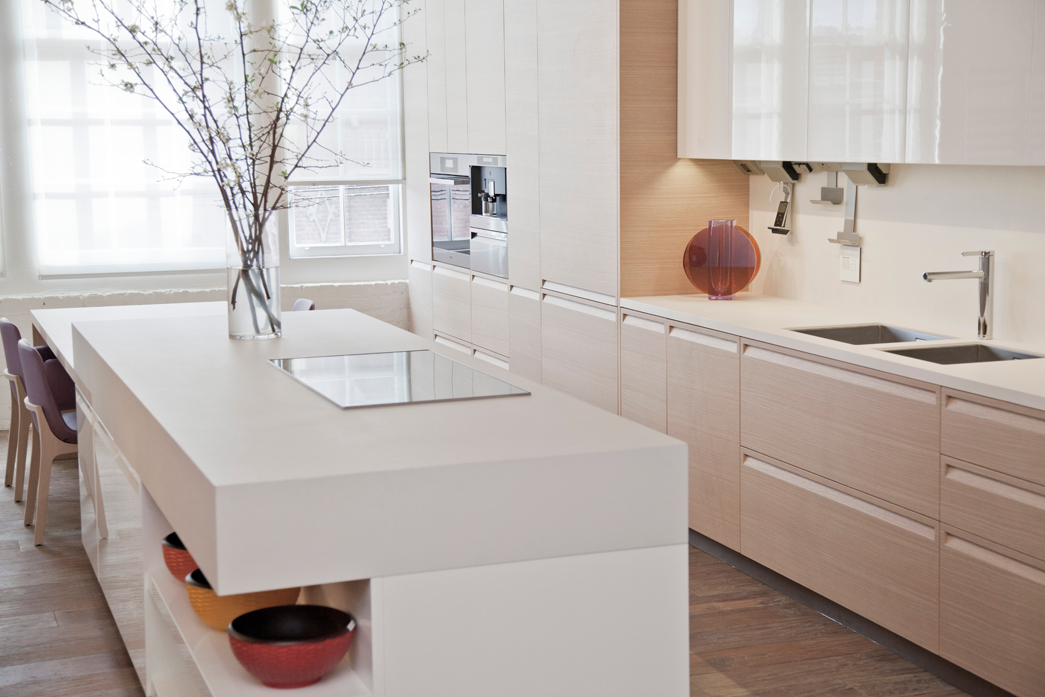
Marble absolutely works in modern spaces when styled correctly! I paired mine with flat-panel cabinets, minimal hardware, and contemporary lighting. Choose marble with bold, graphic veining and use clean lines in your design. The key is letting the marble be the focal point against an otherwise minimalist backdrop.
How often do marble countertops need professional refinishing or polishing?
I’ve had mine professionally polished once in three years to address some deeper etching near the sink. Most minor etching and patina is actually attractive and adds character. Professional refinishing costs $300-500 and can restore the surface completely. Many people never refinish and simply embrace the natural aging process.
Related articles:
- Tuscan Marble Countertop
- Italian Marble Countertops
- Modern Marble Countertops
- Marble Countertops Design
- Refinishing Cultured Marble Countertops
- White Marble Countertops
- Marble Countertops Backsplash
- DIY Refinishing Cultured Marble Countertops
- Marble Countertops In Bathrooms
- Cultured Marble Countertops
