When my old laminate countertops started peeling at the edges, I assumed I was in for a gutted kitchen and a budget that would make me wince. Then a contractor friend asked if I had ever thought about a quartz overlay. I had not, but I was curious. After living with mine for over a year, I can tell you it is one of the smartest upgrades I have made. Here is everything I wish someone had told me before I started.

What a Quartz Overlay Actually Is
A quartz overlay is a thin layer of engineered quartz, usually around a quarter to half an inch thick, that gets bonded right on top of your existing countertop. Instead of ripping out the old surface, the installer builds on it. When my contractor first explained it, I pictured something flimsy, but the slabs are cut and finished like full quartz, just slimmer.
The big appeal for me was skipping demolition. No dust clouds, no cabinets pulled loose, and no weeks of washing dishes in the bathroom sink. My kitchen stayed mostly usable, which mattered because I have a family that eats three meals a day whether or not I am renovating.
An overlay is not for every situation, though. The surface underneath needs to be flat, solid, and in decent shape. Mine was an older laminate over a sturdy particleboard base, which worked. If your base is crumbling or warped, you will need a different plan.

Why I Chose an Overlay Over Full Replacement
Cost was the first reason, honestly. Full quartz replacement meant paying for demolition, disposal, new cabinet support in some spots, and a longer installation. The overlay trimmed a good chunk off that total. I will not quote exact numbers since prices vary a lot by region, but my savings felt real.
Time was the second reason. My installation took about two days from start to finish, including templating. A friend of mine who replaced her counters entirely spent nearly two weeks with her kitchen in chaos. I was cooking on my regular stovetop the same evening the work wrapped up.
The third reason was the environmental angle. Tossing an entire laminate countertop into a landfill bothered me, and keeping it as a foundation felt better. It is a small thing, but I like knowing I did not create a pile of waste just for a prettier kitchen.

Choosing the Right Color and Pattern
Picking a color was harder than I expected. Quartz comes in everything from soft whites and warm creams to deep charcoals and veined looks that mimic marble. I brought home about a dozen samples and taped them to my counters for a week, checking them in morning light, afternoon sun, and under my evening lamps.
I ended up with a light gray with subtle veining. It hides crumbs and water spots better than pure white, and it plays nicely with my cabinets. My advice is to avoid choosing from the showroom alone, because those bright overhead lights make everything look different once it reaches your home.
Think about edge profiles too. Because overlay slabs are thinner, some dramatic edge styles are not possible. Mine has a simple eased edge, which looks clean and modern. If you are dreaming of a thick waterfall edge, ask your installer what is realistic before you fall in love.

Preparing Your Existing Counters
Preparation is where an overlay succeeds or fails. My installer spent the first hours checking that my old counters were level, secure, and clean. He sanded the shiny laminate to help the adhesive grip, filled low spots, and tightened a couple of spots where the surface had loosened from the base.
He also checked for moisture damage around my sink, which was the one place I worried about. Swollen particleboard is a dealbreaker, since it will keep moving and eventually crack the quartz above it. Luckily mine was dry and solid, but he told me about jobs where the sink area needed repair first.
I would encourage you to be honest about your counters before you commit. Press along the edges, look under the sink, and check for any bubbling or soft spots. A good installer will tell you the truth, and if one does not inspect carefully, I would look for another.

Dealing with the Sink, Cooktop, and Backsplash
The sink was the most nerve-racking part for me. With an overlay, the cutout has to match the sink opening precisely, and the added height changes how the sink sits. My installer recommended an undermount basin, but my old drop-in sink needed adjustments, so we discussed the options before the slabs were cut.
Faucet height was another surprise. The extra thickness raised my counter slightly, which meant my faucet holes needed a quick check to make sure everything still fit and worked smoothly. Little details like that are easy to forget, so ask about them early rather than on installation day.
The backsplash deserves a thought too. I kept my old tile and had the quartz tucked neatly beneath it, though some people prefer matching quartz backsplashes for a seamless look. Plan this ahead, because changing your mind midway can complicate templates and delay the schedule.

Caring for Quartz and Knowing the Limits
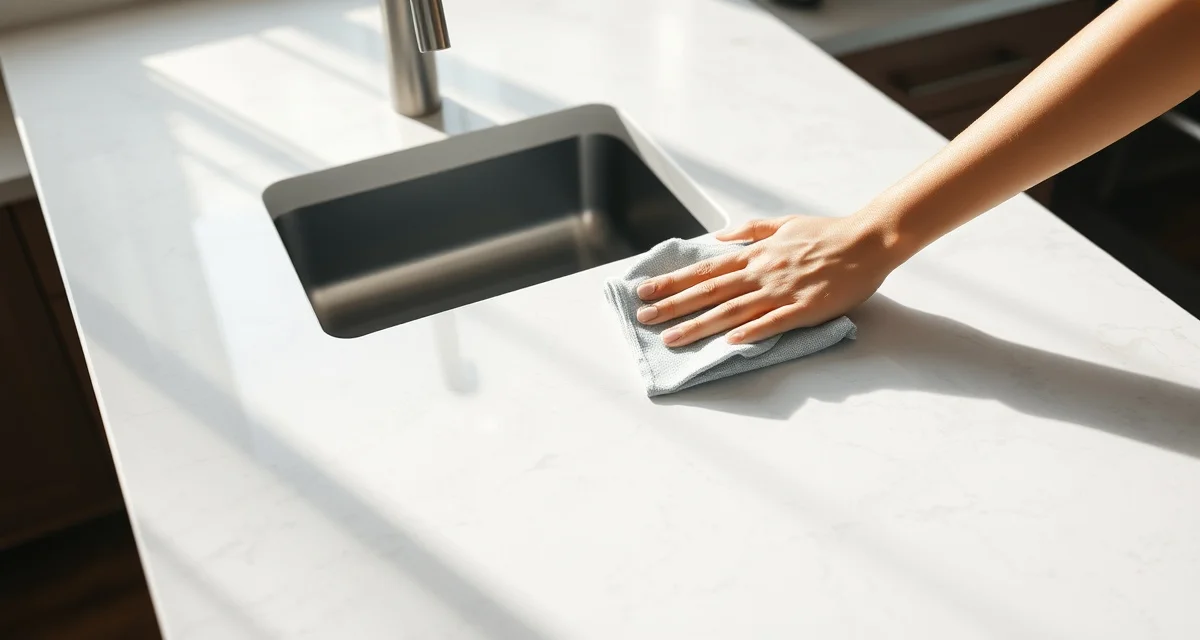
Day to day, quartz has been wonderfully easy. I wipe it with warm water and a little mild soap, and it looks great. It does not need sealing like natural stone, which was a big selling point for me. Even red wine and coffee spills have wiped away without leaving a trace.
I do respect its limits, though. Quartz is tough, but heat can damage the resin inside it, so I always use trivets under hot pans. I also avoid cutting directly on the surface, since a sharp knife can leave marks and dull my blades. Those habits are easy once they become routine.
Finally, remember that an overlay depends on the base underneath it. Heavy impacts near seams or edges can stress the bond, so I try not to drop cast iron pans carelessly. With reasonable care, I expect my counters to look good for many years, and the peace of mind has been worth every penny.
How much does a quartz countertop overlay cost compared to replacement?
In my experience, an overlay saved me a meaningful amount because I skipped demolition and disposal. Prices vary by region, color, and kitchen size, so I would collect at least three quotes. Ask each installer exactly what is included before you compare.
Can any countertop be covered with a quartz overlay?
Not every one. Mine was laminate over a solid base, which worked well. The surface must be flat, dry, and stable. If your counters have water damage, deep cracks, or crumbling edges, you will likely need repairs or a full replacement first.

How long does the installation take?
Mine took roughly two days, plus a short wait after the measuring visit while the slabs were cut. That felt almost effortless compared to the weeks a friend spent on a full tear-out. Your timeline may shift with kitchen size and layout.
Is quartz overlay resistant to stains and moisture?
Yes, it has been great for me. Quartz is non-porous, so spills do not soak in, and I never have to seal it. The only watch point is the base underneath, so keep the sink area dry and caulked to protect it.

Can I put hot pans directly on it?
I do not, and I would not recommend it. Quartz contains resin that can discolor or crack under high heat. I keep trivets and hot pads near my stove, and that small habit has kept my surface looking brand new.
Will an overlay last as long as a full quartz countertop?
With a sound base and a careful installer, I believe it can last for many years. The slab itself is the same durable material. The main difference is that the bond and the old surface beneath it matter, so quality installation is everything.

Related articles:
- Farmhouse Quartz Countertops
- Retro Quartz Countertops
- Modern Quartz Countertops
- Vanity With Quartz Countertop
- Caesarstone Quartz Countertops
- Quartz Countertops Cleaning
- Quartz Countertops Tile Backsplash
- Beveled Edge Quartz Countertop
- Quartz Countertop Choices
- Quartz Countertop Types
