When I started planning my kitchen renovation last year, I had champagne taste on a beer budget. I wanted beautiful countertops that could handle my busy family’s lifestyle without breaking the bank. After researching every material imaginable, I discovered that custom laminate countertops had evolved far beyond the dated, basic options I remembered from my childhood. Modern laminates offer incredible design possibilities, durability, and customization at a fraction of the cost of stone. Let me share everything I learned about choosing, installing, and living with custom laminate countertops that completely transformed my kitchen.
Discovering Modern Laminate Options and Patterns
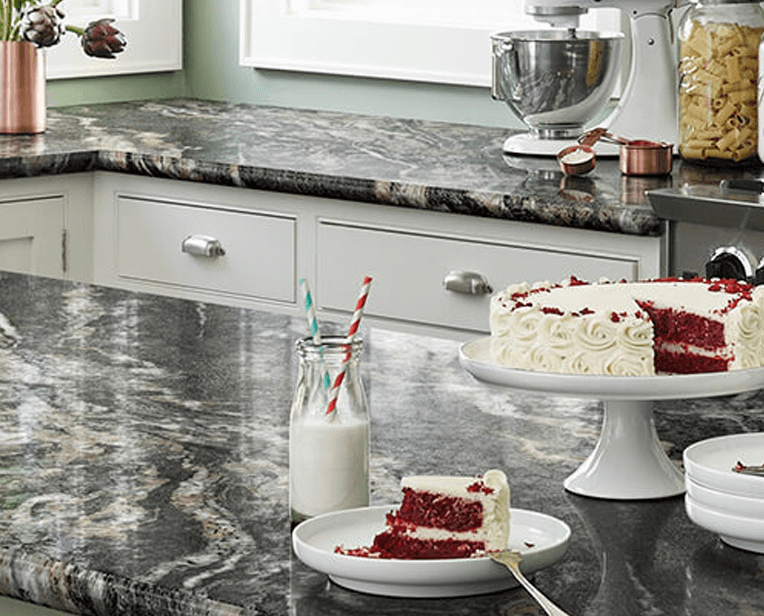
I’ll admit, when I first told friends I was choosing laminate, I got some skeptical looks. People still associate laminate with cheap apartments and outdated kitchens. But when I started exploring current options, I was genuinely shocked by the variety and quality available. Today’s laminates can convincingly mimic marble, granite, concrete, butcher block, and even exotic materials I could never afford in their natural forms.
My journey began at a fabricator’s showroom where I spent hours flipping through sample books. The photography and printing technology used in modern laminates is incredibly sophisticated. I found patterns with realistic veining, depth, and texture that looked nothing like the flat, obviously fake surfaces from decades past. Some samples even had dimensional texture that felt like real stone or wood grain when I ran my fingers across them.
I eventually chose a laminate that mimics Carrara marble with soft gray veining on a white background. The pattern has subtle variations and the surface has a matte finish with slight texture that makes it feel more authentic. What sealed the deal was learning that I could get this custom-fabricated to my exact specifications, including edge profiles, integrated backsplashes, and cutouts for my sink and cooktop. The level of customization possible with laminate genuinely surprised me and made it feel like a premium choice rather than a compromise.
Understanding Edge Profiles and Customization Options
One aspect of custom laminate that really excited me was the edge treatment options. I had assumed laminate meant those dark brown seam lines everyone recognizes, but modern fabrication techniques offer much more sophisticated solutions. My fabricator showed me several edge profiles that could make my laminate countertops look substantially more expensive than they actually were.
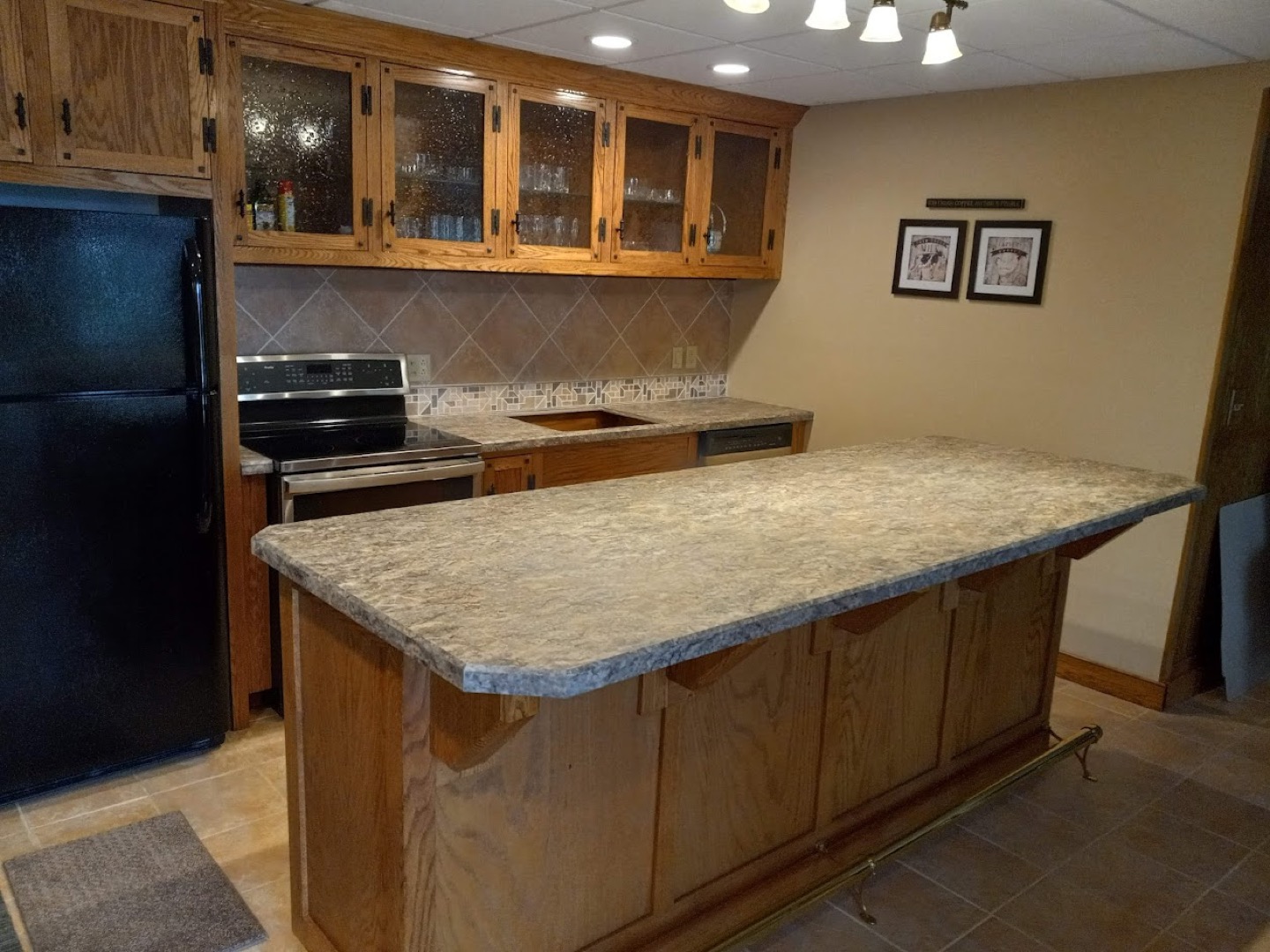
I chose a beveled edge with a built-up profile that creates thickness and visual weight. My fabricator essentially stacks layers of laminate and substrate to create an edge that’s about an inch and a half thick, then wraps it completely in the laminate pattern. From even a few feet away, you truly cannot tell these aren’t solid stone slabs. The seamless edge treatment was a game-changer for achieving the high-end look I wanted.
Backsplash integration was another customization option I explored. I could have had a four-inch integrated backsplash fabricated as part of the countertop, which would have been incredibly cost-effective and easy to clean. However, I decided to install a separate tile backsplash for more visual interest. Other custom options included specialized cutouts for my undermount sink, precision sizing for my cooktop, and even a custom breakfast bar overhang. The flexibility to tailor every aspect of my countertops to my specific kitchen layout made the entire process feel personalized and intentional.
Working with Fabricators and the Installation Process
Finding the right fabricator was crucial to my project’s success. I interviewed three companies and quickly learned that not all laminate fabricators are created equal. The quality of workmanship varies significantly, and since laminate installation is permanent and not easily adjustable, I needed someone with excellent skills and attention to detail. I ultimately chose a fabricator who specialized in custom laminate and had a portfolio full of beautiful installations.
The process started with precise measurements of my existing cabinets and layout. My fabricator came to my house and created detailed templates using special tools that captured every angle, corner, and irregularity in my space. This templating visit was fascinating because I realized how rarely kitchen walls and cabinets are perfectly square. The custom fabrication would account for all these real-world imperfections.
Installation day was quicker than I anticipated. The fabricators arrived with my countertops already cut, edged, and finished. They set them in place, made a few minor adjustments, applied adhesive, and secured everything within about four hours. Watching them work was impressive; they were meticulous about seam placement and alignment. The seams in my L-shaped kitchen are virtually invisible, placed strategically where they’d be least noticeable. By dinnertime, I had fully functional, beautiful countertops that completely transformed how my kitchen looked and felt.

Comparing Costs and Getting Maximum Value
Budget was my primary motivation for choosing laminate, and I want to be completely transparent about costs. My custom laminate countertops, including fabrication and installation, cost about $35 per square foot. To put that in perspective, granite would have been $60-80 per square foot, quartz $70-100, and marble significantly more. For my 45 square feet of countertop, I saved over $2,000 compared to stone.
However, not all laminate options are created equal in terms of price. Basic laminate from big box stores runs around $15-25 per square foot installed, while premium custom laminate like mine falls in that $30-45 range. The difference comes from pattern quality, substrate thickness, edge treatments, and fabrication expertise. I strongly recommend investing in the higher-quality custom options because the visual difference is substantial and the durability is noticeably better.
I maximized value by being strategic about my choices. I splurged on the premium marble-look pattern and sophisticated edge treatment since those are the most visible elements. I opted for standard backsplash heights and didn’t add unnecessary decorative details that would have increased costs without adding real value. I also scheduled my project during the fabricator’s slower season and received a modest discount. These small decisions allowed me to get the exact look I wanted while staying comfortably within my budget and even leaving room for other kitchen updates.

Living with Laminate: Daily Care and Maintenance
The first few weeks with my new laminate countertops involved learning what I could and couldn’t do. The most important lesson was understanding that laminate, while durable, isn’t indestructible. I immediately invested in cutting boards because cutting directly on laminate will damage both the surface and your knives. I also bought several trivets for hot pots and pans since heat can scorch or even melt laminate if you’re not careful.
My daily cleaning routine is incredibly simple. I wipe down my countertops after every meal with a damp microfiber cloth and mild dish soap. For deeper cleaning, I use a non-abrasive all-purpose cleaner. I avoid bleach and harsh chemicals that could damage the laminate surface or cause discoloration over time. The non-porous surface means I never have to worry about sealing or special treatments, which is a huge advantage over natural stone that requires regular maintenance.
After a year of daily use, my laminate countertops still look fantastic. I have one small burn mark where I carelessly set down a hot pan, which was entirely my fault and serves as a reminder to use trivets consistently. Otherwise, the surface has held up beautifully to my family’s heavy use. The kids do homework at the kitchen island, I prep multiple meals daily, and we regularly entertain guests. The durability has exceeded my expectations, and the easy maintenance means I spend less time caring for my countertops and more time actually enjoying my kitchen.

Addressing Common Concerns and Limitations
I want to be honest about laminate’s limitations because understanding them up front prevents disappointment. The biggest concern people express is durability, and while modern laminate is quite tough, it can be damaged by excessive heat, sharp objects, and harsh impacts. I’ve accepted that these countertops might not last thirty years like granite could, but at a fraction of the cost, I can replace them in fifteen years if needed and still come out ahead financially.
Seams are another limitation worth discussing. While my fabricator did an excellent job minimizing their visibility, seams do exist and can potentially lift or separate over time if moisture gets underneath. I’m vigilant about wiping up spills quickly, especially near seams, and I avoid letting water pool anywhere on the surface. So far, my seams remain tight and invisible, but I know they require this awareness that solid stone slabs wouldn’t.
The perception issue is real, and I’ve had to develop thick skin about it. When people ask about my countertops and I tell them they’re laminate, I sometimes get a look that suggests I chose a lesser option. I’ve learned to confidently explain my reasoning and point out the quality and customization I achieved. Most people are genuinely surprised when they take a closer look and realize these aren’t stones. I’ve made peace with the fact that some people will always view laminate as inferior, but I know the truth: I made a smart, informed choice that gave me exactly what I wanted within my budget.

How long do custom laminate countertops typically last?
Quality laminate countertops can last 15-20 years with proper care, which I consider excellent longevity for the price point. My fabricator emphasized that the substrate quality and installation precision significantly impact lifespan. I’ve seen well-maintained laminate counters from the 1990s still functioning perfectly. The key is avoiding heat damage, using cutting boards, and addressing any edge lifting immediately before moisture causes problems underneath.
Can you repair scratches or damage to laminate countertops?
Minor scratches can sometimes be buffed out or filled with laminate repair paste that matches your color. I keep a repair kit for small issues. However, deep scratches, burns, or chips are difficult to repair invisibly. This reality makes prevention crucial; I use cutting boards and trivets religiously. Unlike solid stone that can be sanded and refinished, laminate damage is mostly permanent, which is why careful daily use matters.

Are there any design styles that don’t work well with laminate?
Laminate works beautifully in most design styles, but ultra-modern or luxury contemporary spaces might benefit from real stone’s authenticity. That said, I’ve seen stunning modern kitchens with high-end laminate that looks incredible. The key is choosing appropriate patterns and finishes. For farmhouse, traditional, or transitional styles like mine, laminate is genuinely indistinguishable from natural materials when quality fabrication and installation are involved.
How do laminate countertops handle water and moisture?
The laminate surface itself is completely waterproof and non-porous, which I love for easy cleanup. However, the substrate underneath is vulnerable to moisture damage if water seeps through seams or around sinks. I immediately wipe up spills, especially near edges and seams. I also had my fabricator install my undermount sink with excellent sealing to prevent water infiltration. With these precautions, moisture hasn’t been an issue.

Can I install laminate countertops myself to save money?
DIY laminate countertop installation is possible but challenging. Pre-made countertops from home improvement stores can be cut and installed by confident DIYers. However, custom laminate fabrication requires specialized tools, skills, and experience I don’t have. I considered DIY, but realized professional fabrication and installation were worth every penny for the seamless results and stress-free experience. If you’re very handy, maybe, but I’d recommend hiring pros.
Do laminate countertops increase or decrease home value?
Quality laminate countertops are neutral to slightly positive for home value, depending on your market. They won’t command the premium that granite or quartz might, but they’re far better than damaged or outdated counters. My realtor friend confirmed that a well-chosen, professionally installed laminate in good condition doesn’t hurt resale value. In starter homes or rentals, laminate can actually be the smart choice, offering good looks and function at appropriate price points.

Formica Countertops

Related articles:
- Custom Laminate Countertops
- Vintage Laminate Countertops
- Laminate Countertops Makeover
- Refinish Laminate Countertops
- Cutting Laminate Countertops
- Retro Laminate Countertops
- Laminate Countertops For Bathroom
- Black Marble Laminate Countertop
- Painting Kitchen Laminate Countertops
- Quartz Laminate Countertops
