When I decided to renovate my kitchen last year, I found myself drawn to vintage granite countertops after spending weeks researching materials. There’s something timeless about granite that speaks to both practicality and beauty, and I quickly discovered that choosing vintage slabs meant getting character, history, and a one-of-a-kind surface that no modern fabrication could replicate. My journey with these beautiful stones taught me so much about what makes them special, and I’m excited to share what I’ve learned with you.
Finding Authentic Vintage Granite
When I started my search, I quickly learned that authentic vintage granite comes from salvage yards, architectural reclamation shops, and specialty suppliers who focus on restored materials. I visited at least a dozen different places before finding the perfect slab, which sat in a warehouse for months before I even knew it existed. The color variations and natural patterns in vintage granite tell a story, and each piece carries the patina of time. I discovered that some of the most beautiful vintage granite comes from countertops removed during renovations of mid-century homes, and these pieces often have a depth of color that feels richer than newer stone.
My biggest surprise was learning how affordable vintage granite can be compared to premium new slabs. Since these pieces are being repurposed rather than newly quarried and fabricated, the cost often works in your favor. I managed to find enough vintage granite for my entire kitchen island for less than I would have paid for a standard new installation. The key is patience, flexibility with color choices, and willingness to work with suppliers who specialize in reclaimed materials.
The hunt for vintage granite became almost meditative for me, though I’ll admit it required more time than simply ordering from a showroom catalog. I found my best sources through local architectural salvage communities, online forums dedicated to reclaimed materials, and even by asking contractors if they had access to removed countertops from renovation projects. Building relationships with these suppliers opened up opportunities I never expected, including getting first access to newly salvaged pieces.
The Beauty of Imperfections
I’ve come to deeply appreciate the imperfections in my vintage granite, which range from subtle color shifts to small chips along the edges. These marks aren’t flaws; they’re proof of life and use, and they make each piece genuinely unique in a way that factory-produced surfaces simply cannot match. The first time I noticed a small pit in my granite, I worried it was damaged, but my installer assured me it was part of the natural stone’s character and completely normal for vintage pieces.
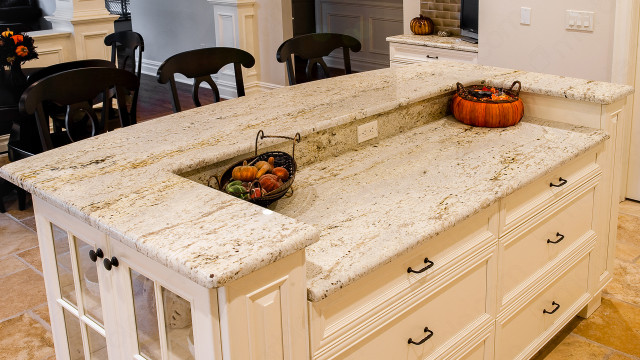
The color palette of vintage granite often differs significantly from what’s available today, and this is perhaps its greatest appeal. I’ve seen warm honey tones, deep charcoal blacks shot through with gold, and unusual greens that modern quarries no longer produce in the same way. These colors carry warmth and depth that feel more connected to nature than some of the perfectly uniform slabs I saw in contemporary showrooms. When you run your hand across vintage granite, you can feel the slight variations in texture that time has created.
One thing I genuinely didn’t expect was how conversation-starting my countertops have become. Friends and family ask about them regularly, often sharing their own stories about granite or stone surfaces they’ve encountered. The vintage granite gives my kitchen a sense of continuity with the past, almost like inviting history into my home. I’ve learned to embrace the small imperfections as part of what makes the space feel authentic and lived-in rather than sterile.
Installation Challenges and Solutions
When it came time to install my vintage granite, I quickly realized this process required more specialized knowledge than a standard installation. My contractor needed experience with older stone, understanding how it might shift slightly, and how to properly seal material that had aged differently than new granite. I spent considerable time discussing reinforcement options with my installer, learning about additional support that older slabs sometimes require due to their age and weight.
The weight of vintage granite became very real when installation day arrived, and I watched as the professionals carefully assessed my kitchen’s structure to ensure it could support the reclaimed stone. This was something I hadn’t fully considered during my design phase, but my contractor explained that some older homes need reinforcement underneath to handle the substantial weight. I’m grateful I invested ina proper assessment rather than assuming my kitchen cabinets could handle whatever I chose.
Sealing vintage granite properly proved to be another learning experience for me. Because these pieces have already experienced decades of use and exposure, they sometimes require different sealing approaches than pristine new stone. My installer recommended a high-quality penetrating sealer specifically chosen for older granite, and they suggested I reseal every two years rather than the three-year intervals typical for new countertops. This ongoing maintenance commitment felt worth it to me for the character I was gaining.

Color and Pattern Selection
Choosing the color for my vintage granite countertops presented a different challenge than picking from a showroom sample book. Instead of thousands of options, I had dozens at best, and the actual slabs varied enough that seeing a small sample didn’t guarantee the full color picture. I learned to work with photos and detailed descriptions, and I made several trips to the salvage yard to examine potential pieces under different lighting conditions before making my final decision.
I discovered that certain color families seemed to be more readily available in the vintage market. Blacks and grays appeared frequently, likely because they were popular choices during the 1970s and 1980s when many of these countertops were originally installed. Finding truly unusual colors like blues or reds required more searching, but these pieces existed if I was patient enough to look for them. I ended up choosing a charcoal gray with subtle white veining, which felt versatile enough to work with both my existing kitchen elements and potential future design changes.
The lighting in my kitchen transformed how I perceive the granite’s color throughout the day, something I hadn’t anticipated during the selection process. What looked purely charcoal in the salvage yard’s fluorescent lighting revealed subtle brown undertones in the afternoon sun. I adapted to these shifts and now appreciate how the countertop seems to shift subtly with the time of day, adding another dimension to the space that feels dynamic and alive.

Maintaining Vintage Granite Over Time
My maintenance routine for vintage granite differs slightly from what most manufacturers recommend for new stone. I use a pH-neutral cleaner specifically designed for granite, avoiding acidic products that could potentially affect aged stone more severely than newer granite. I’ve learned to wipe up spills quickly, particularly anything acidic like lemon juice or vinegar, as my vintage surface seems slightly more susceptible to etching than I expected.
I reseal my countertops every two years, which feels like a small investment for the peace of mind and preservation of the surface. The sealing process is straightforward, and I’ve actually started handling it myself after the first professional application, which has saved me money. I use a quality stone sealer and follow the application instructions carefully, making sure to test the seal regularly by seeing whether water beads on the surface or absorbs slightly.
One concern I had was whether the original finish on vintage granite would remain consistent as I maintained and resealed it. What I’ve discovered is that the stone actually develops a slightly different patina over time, becoming even more beautiful with careful use and maintenance. Small scratches have appeared in high-use areas, but they blend in naturally with the existing character rather than standing out as damage. I’ve come to appreciate these marks as they tell the story of my kitchen’s actual living history.

Incorporating Vintage Granite Into Modern Design
I was initially worried that installing vintage granite in my contemporary kitchen might feel incongruous or outdated, but I’ve learned that these stones bridge design eras beautifully. The key is working with supporting elements thoughtfully, choosing complementary materials and finishes that let the granite shine without forcing it to match any particular aesthetic. My stainless steel appliances and sleek cabinetry actually highlight the granite’s classic beauty rather than competing with it.
Pairing vintage granite with modern fixtures and finishes has created an interesting dialogue in my space. I chose simple, streamlined cabinet hardware, and I kept my backsplash relatively understated with small white subway tiles. These decisions gave the vintage granite room to be the star, and the combination feels intentional rather than accidental. I’ve discovered that vintage materials actually work wonderfully in contemporary spaces when you’re deliberate about your other choices.
The investment in vintage granite has made me more thoughtful about other elements in my kitchen. I’ve become more intentional about choosing quality, timeless pieces rather than trendy options, and I’ve started valuing character and authenticity over perfection. This shift in perspective has extended beyond my kitchen to other areas of my home and life. The vintage countertops have become a daily reminder of why I chose them, adding satisfaction every time I use my kitchen.

Cost Considerations and Long-Term Value
When I first calculated the true cost of my vintage granite installation, I realized it involved more than just the stone itself. Transportation, careful installation, and sometimes reinforcement added to the base price, but I found the total investment still compared favorably to premium new granite installations. I approached it as a long-term investment in my home rather than just a countertop purchase, which helped me make peace with the expense.
I’ve noticed that vintage and reclaimed materials have become increasingly valuable in the real estate market, and while I didn’t choose my granite purely for investment purposes, this benefit hasn’t gone unnoticed. Potential buyers seem genuinely impressed by the authenticity and character of the countertops, viewing them as a high-end choice that reflects thoughtful design rather than simply following trends. This potential added value to my home has been a pleasant bonus.
The financial equation also includes the durability factor, which I’ve been pleased to discover. Granite that has lasted forty or fifty years already proves its staying power, and I feel confident that my countertops will continue performing beautifully for decades. Choosing reclaimed stone means I’m getting proven durability rather than betting on how new products will hold up over time. This certainty has invested feel worthwhile in a way I didn’t fully anticipate.

Will vintage granite have more stains and damage than new granite?
From my experience, vintage granite has proven surprisingly resilient. Yes, it shows signs of age, but it’s weathered decades of real use. I’ve found that a good sealer and proper care keep it looking beautiful. The existing marks and patina actually hide minor new stains better than pristine stone might, which has been a pleasant surprise during my everyday use.
How do I know if vintage granite will work with my kitchen style?
I worried about this too, but I’ve discovered that granite transcends style boundaries beautifully. Its timeless quality actually complements everything from traditional to ultra-modern kitchens. The key is choosing supporting elements that feel intentional. I’d recommend finding a piece you genuinely love rather than worrying whether it matches a specific design trend.
Is vintage granite more difficult to find in smaller quantities?
Finding enough vintage granite for small projects like bathroom countertops can be challenging, which I learned firsthand. However, this limitation can become an advantage, as smaller projects have more flexibility with color and size variations. My contractor helped me piece together a small bathroom countertop using complementary vintage slabs, which actually created a unique look.
How often does vintage granite need to be sealed?
From my maintenance experience, I recommend sealing every two years for vintage pieces, compared to the three-year intervals often recommended for new granite. Older stone sometimes needs a bit more protective care. I’ve found this schedule manageable, and the sealing process itself is straightforward enough that I now handle it myself between professional applications.

Are there color limitations with vintage granite?
Yes, vintage granite offers a more limited palette than browsing a modern showroom, but this limitation actually encouraged my creativity. I ended up loving the color I found rather than suffering from option paralysis. The available vintage colors tend to be timeless and sophisticated, which has made me much happier with my choice than if I’d had unlimited options to second-guess myself.
Will I regret choosing vintage granite over new options?
A: Honestly, I’ve never regretted my choice, not even once. Every time I cook or entertain in my kitchen, I appreciate the character and authenticity of my countertops. The minor imperfections and aged patina make the space feel genuine and lived-in rather than showroom-perfect. My vintage granite has become one of my favorite features in my home.
Related articles:
- Vintage Granite Countertops
- Country Granite Countertops
- Antique Granite Countertops
- Farmhouse Granite Countertops
- White Granite Countertops Ideas
- Granite Countertops Cost
- Chipped Granite Countertop Repair
- White Granite Countertops
- Granite Countertop Overlay
- Stains On Granite Countertops
